Congress Moves to Defund UAP Office Amid Disinformation Claims
U.S. lawmakers and journalists are calling to defund the All-domain Anomaly Resolution Office (AARO), alleging it operates as a disinformation tool. Critics claim the office hinders rather than helps credible UAP investigations, raising questions about government transparency.

Congress Moves to Defund UAP Office Amid Disinformation Claims
A push is underway in the U.S. Congress to defund a government office that studies Unidentified Aerial Phenomena (UAP), commonly known as UFOs. The office, called the All-domain Anomaly Resolution Office (AARO), is facing strong criticism from lawmakers and investigative journalists. They claim AARO has been used as a tool to spread misinformation rather than to seriously investigate the UAP issue.
Concerns Over AARO’s Role
Members of the UAP caucus in Congress, like Representatives Anna Paulina Luna and Tim Burchett, have publicly stated their desire to see AARO shut down. They believe the office has not conducted credible investigations. Instead, they argue, it has served as a front for the Department of Defense and the intelligence community. The goal, according to critics, was to prevent honest inquiry into the possibility that the U.S. government knows more about UAPs than it admits.
Allegations of Deception
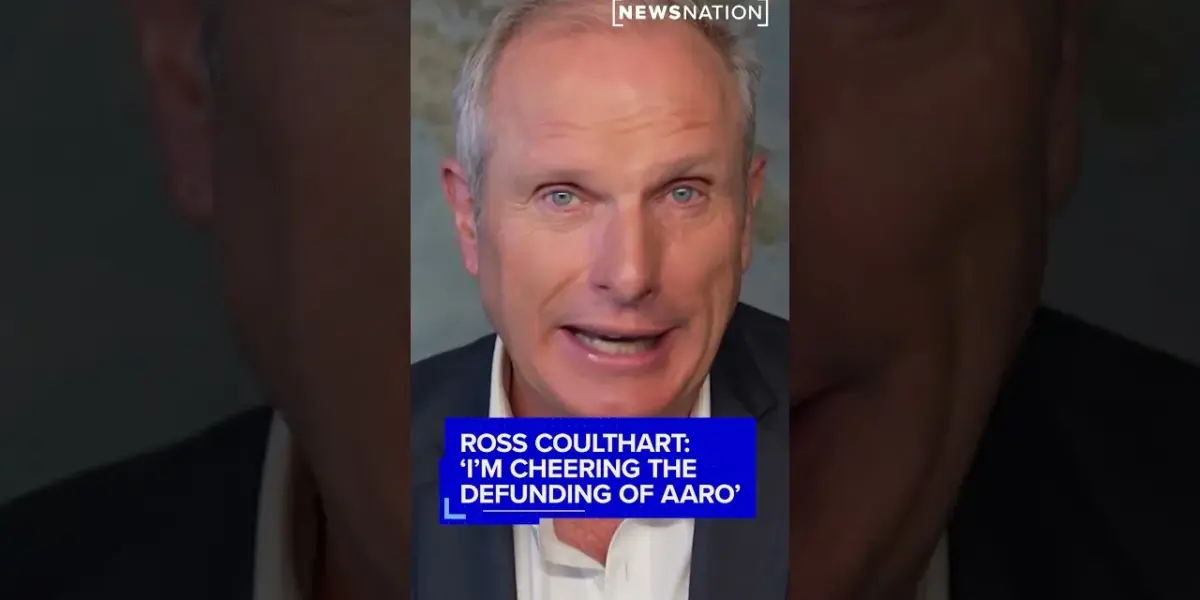
Journalist Ross Coulthart, who has extensively covered UAP topics, expressed strong support for defunding AARO. He described the office as a “disinformation operation.” Coulthart suggests that AARO’s main purpose has been to deceive the public. This deception, he claims, concerns the extent of the Pentagon’s knowledge about UAPs and potential non-human intelligence. Even individuals within AARO, like Dr. John Kosowski, have reportedly spoken out about being controlled by the Defense Department. This adds weight to the accusations of manipulation.
Historical Context of UAP Investigations
The U.S. government has a long, often secretive, history of looking into UAP sightings. Projects like Project Blue Book in the past aimed to investigate these phenomena. However, these efforts were often criticized for lacking transparency and for reaching predetermined conclusions. The establishment of AARO was seen by some as a new, more serious attempt to understand UAPs. Critics now argue that AARO has repeated the mistakes of the past, failing to build public trust.
Motivations of Key Actors
- Lawmakers (Luna, Burchett): Their motivation appears to stem from a desire for transparency and genuine investigation into a topic of public interest. They may also be responding to pressure from constituents and a perceived lack of progress from AARO.
- Investigative Journalists (Coulthart): Journalists like Coulthart are driven by uncovering truth and holding powerful institutions accountable. Their work often involves exposing what they see as government cover-ups or misleading narratives.
- Department of Defense/Intelligence Community: Their primary interest is national security. This can involve controlling information that might reveal sensitive military capabilities or create public panic. They may see UAPs as a potential threat or a distraction.
- Dr. John Kosowski (and others within AARO): Individuals like Kosowski may be motivated by a genuine scientific interest in UAPs. However, they find themselves constrained by military and intelligence oversight, leading to frustration and potential whistleblowing.
Global Impact
The controversy surrounding AARO has implications beyond U.S. borders. Many countries have their own UAP investigation programs or military personnel who have reported sightings. If the U.S. office, seen as a leader in this field, is perceived as a disinformation tool, it could undermine global efforts to understand UAPs. It might also encourage other governments to be more secretive, fearing similar accusations or a lack of serious international cooperation. The debate highlights a global challenge: how to investigate unexplained phenomena without compromising national security or public trust.
Future Scenarios
Several outcomes are possible. Congress could vote to defund AARO entirely, forcing a restructuring or complete shutdown. Alternatively, AARO might undergo significant reforms, with increased oversight and transparency measures. It’s also possible that the status quo continues, with AARO operating as before, despite ongoing criticism. The outcome will likely depend on political will, public pressure, and any new evidence that emerges regarding UAPs and government knowledge.
Source: Ross Coulthart: ‘I’m cheering the defunding of AARO’ (YouTube)

Related Articles

NASA Faces UAP Questions After Witness Account
A witness at NASA's Marshall Space Flight Center reported seeing unidentified egg-shaped objects on an ISS live feed. The feed was quickly cut when questioned, raising concerns about NASA's transparency. This incident echoes historical suspicions of government secrecy surrounding unexplained phenomena.


Navy Vet Slams Trump’s ‘Unhinged’ Iran War Rhetoric
A Democratic Representative and Navy veteran has strongly criticized President Trump's rhetoric on a potential Iran war as "unhinged" and "dangerous." She emphasized that U.S. service members swear an oath to the Constitution, not to blindly follow orders. The congresswoman also raised concerns about the economic impact of the conflict and called for greater accountability from the President and his cabinet.


Pentagon Purge Fuels Fears Amidst Escalating Iran Conflict
The U.S. military faces internal turmoil as Defense Secretary Pete Heges dismisses over a dozen senior leaders, including the Army Chief of Staff. Occurring amid escalating tensions with Iran, these actions are being called a "purge," raising fears of politicization and instability. This shake-up comes as public support for the conflict dwindles and economic concerns rise.