Congress Funds DHS, Sidelines ICE Amid Funding Fight
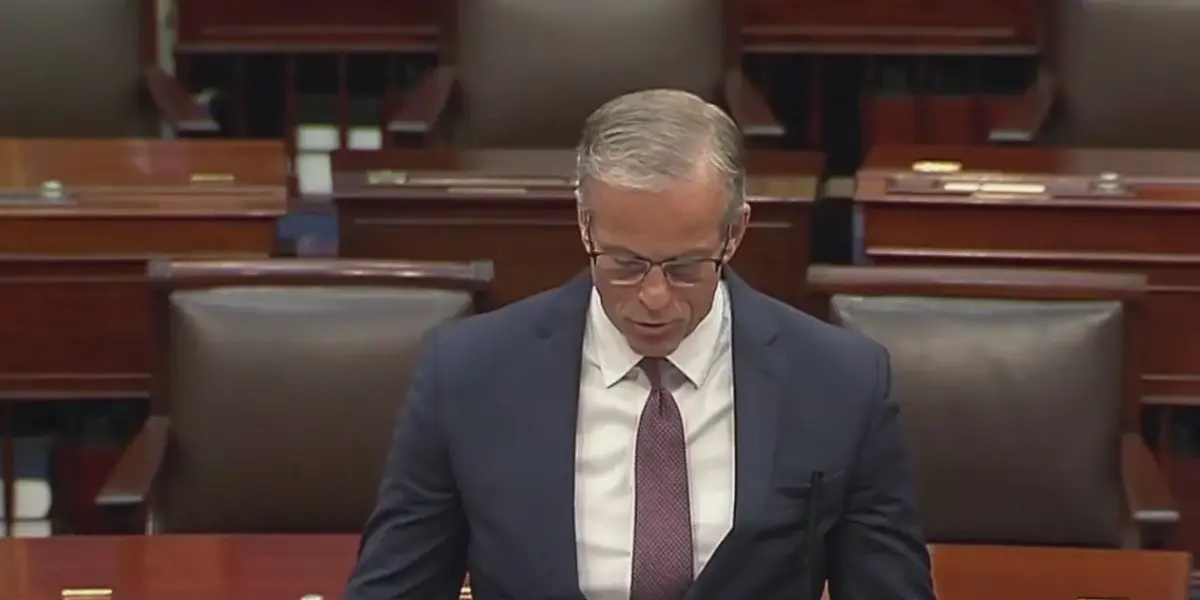
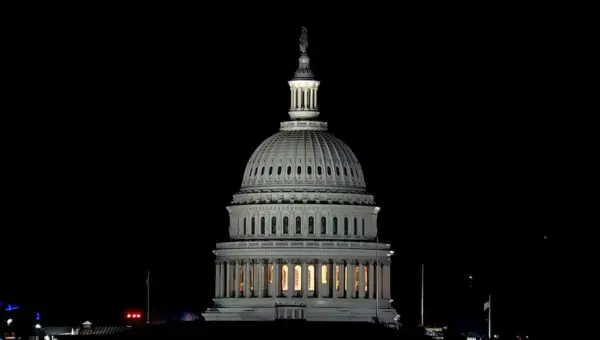
The U.S. Senate has passed a deal to fund the Department of Homeland Security, excluding additional funds for ICE. This agreement aims to end disruptions caused by a funding lapse, particularly affecting TSA workers who faced unpaid days. The bill now heads to the House for a crucial vote before a congressional recess.

Congress Funds DHS, Sidelines ICE Amid Funding Fight
Lawmakers in the U.S. Senate have reached a deal to fund the Department of Homeland Security (DHS), a major step after weeks of budget disagreements. The agreement, passed overnight, provides money for many DHS operations, including the Transportation Security Administration (TSA). However, it notably excludes additional funding for Immigration and Customs Enforcement (ICE) and Border Patrol. This proposal now moves to the House of Representatives for a vote. It must pass by the end of the day before Congress leaves for a two-week break.
Airport Chaos Spurs Funding Deal
The long standoff over DHS funding has caused significant problems for travelers across the country. TSA workers went 42 days without pay. This led to many calling out of work, resulting in long security lines at airports nationwide. The deal reached in the Senate offers some relief to both travelers and the affected TSA workers. As of this morning, it remained unclear exactly when these workers would receive their overdue paychecks. They were set to miss another paycheck that day. The full impact on airport operations and security wait times is still being assessed.
Democrats Secure Partial Victory on ICE Funding
The Senate deal is seen as a win for Democrats, at least for now. They successfully blocked additional funding for ICE and Border Patrol. The Senate’s proposal does include money for body cameras. However, it does not include changes to immigration rules that Democrats had pushed for. These included requiring judicial warrants for certain actions and preventing agents from wearing masks. Senate Majority Leader John Thune described the outcome as unfortunate. He suggested that some policy fights would be postponed. Democrats stated they were ready for these fights but ran out of time to address the critical issue of government funding and unpaid workers.
Democrats Prioritize Reforms Over Unconditional Funding
Democrats have stated that fiscal year 2026 is the year they will challenge what they see as a basic responsibility of Congress: funding the government. They argue that they have been reduced to this difficult position. Democrats held firm in their refusal to give more money to what they called Donald Trump’s “robotic and deadly militia” without serious reforms. They promised to continue fighting for these reforms. This agreement comes just hours after President Trump announced he would sign an order to direct Homeland Security to start paying TSA officers immediately. The Senate’s passage of the deal is a first step, but the House still needs to vote. The hope is for a bill to reach the President’s desk by the end of the day.
Worker Concerns Linger Despite Deal
Reaction from TSA workers on the ground has been mixed. One former TSA officer spoke about the President’s directive to pay workers immediately. He noted that his friends at the airport simply want to get paid, regardless of how it happens. However, he also expressed concern that the damage from the funding lapse might already be done. The experience of going without pay is something these officers will not forget. It could lead them to question if TSA is still the right job for them, even if they want to continue working there. When and if the back pay is approved, it’s important to remember past government shutdowns. Some workers waited weeks or even months to receive their lost wages. This Senate agreement is a first step, but the long-term effects on worker morale and retention remain to be seen.
Global Impact
While this specific event focuses on U.S. domestic funding, it highlights broader trends in international relations. The ability of a legislature to deadlock over essential funding reveals internal political divisions. These divisions can affect a nation’s perceived stability and reliability on the global stage. When a country’s government operations are disrupted, it can impact its ability to engage in international diplomacy, trade, and security cooperation. Allies may question a nation’s consistency, while adversaries might see opportunities to exploit internal weaknesses. The focus on immigration and border security in this U.S. debate also reflects a global challenge. Many countries are grappling with migration flows and the complex policy decisions involved. The U.S. approach, whether through strict enforcement or reform-minded policies, influences international norms and migration management strategies. The economic consequences of government shutdowns, such as delayed payments to workers, can also have ripple effects. They can influence consumer spending and economic confidence, potentially impacting international trade and investment.
Source: Senate passes bill to fund most of DHS — with ICE exception | Morning in America (YouTube)

Related Articles

House Funds DHS Short-Term, Senate Stalemate Looms
The House has passed a short-term bill to fund the Department of Homeland Security, but the Senate is expected to reject it. This temporary measure highlights ongoing political divisions and the challenges in reaching long-term budget agreements in the U.S. Congress.

Congress Stalemate Threatens Border Security Funding
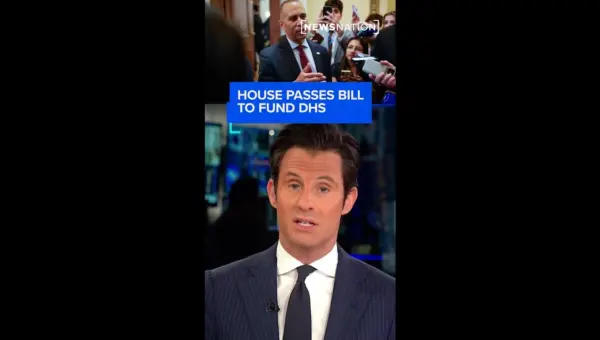
The U.S. House passed a temporary funding bill for the Department of Homeland Security, but Senate Democrats are expected to block it. This recurring stalemate highlights deep divisions over border policy and funding, potentially impacting national security and international perceptions of U.S. stability.
House Funds DHS, But Senate Deal Unlikely Amid Shutdown
The House of Representatives has passed a bill to fund the Department of Homeland Security, but the measure is unlikely to pass the Senate. TSA workers, who have faced missed paychecks and disruptions, may receive some pay soon due to a presidential order, but the broader shutdown continues.