Congress Flees DC, Risks National Security
Congress is heading for a two-week recess despite ongoing funding issues for the Department of Homeland Security. This decision risks national security and public services, impacting TSA, Coast Guard, and FEMA workers. The political stalemate highlights deeper divisions over policy and priorities.

Congress Flees DC, Risks National Security
Lawmakers in Washington are eager to take a two-week break, even as vital government agencies face funding shortfalls. This decision to leave town puts national security and public services at risk. The Department of Homeland Security (DHS) is at the center of this funding debate. Many essential workers are going without pay. Meanwhile, politicians seem ready to prioritize vacations over their duties.
DHS Funding Crisis Deepens
The core issue is the funding for the Department of Homeland Security. This includes agencies like the Transportation Security Administration (TSA), Coast Guard, Secret Service, and FEMA. These are critical for keeping the country safe and responding to emergencies. Without proper funding, these agencies struggle to operate effectively. TSA agents, for example, are working without pay for the third time. This impacts their morale and ability to perform their jobs. The Coast Guard and Secret Service also face uncertainty, affecting national security operations.
Political Stalemate and Public Impact
The current situation highlights a deep political divide. Lawmakers are using funding bills as bargaining chips. This leads to shutdowns or near-shutdowns of government services. The public feels the effects directly. Travel disruptions, like flight delays or cancellations, are common. More importantly, the nation’s ability to respond to disasters or threats is weakened. FEMA’s readiness is crucial for hurricane season and other emergencies. The Secret Service’s ability to protect leaders could also be compromised.
Motivations and Interests
Both parties have interests at play. Democrats are reportedly linking DHS funding to other policy priorities, such as immigration reform. They might see this as a way to force concessions from Republicans. Republicans, on the other hand, may be focused on border security measures. They might insist on specific policies before agreeing to fund the department. The public perception of each party’s stance on security and immigration is also a factor. Lawmakers want to appear strong on these issues.
Historical Context
Government shutdowns are not new in American politics. They have occurred periodically when Congress cannot agree on spending bills. These shutdowns often happen around budget deadlines. They can last for days, weeks, or even months. Each shutdown tests the resilience of government operations and public trust. Past shutdowns have shown the real-world consequences for federal workers and the services they provide. This current situation echoes those past struggles for fiscal agreement.
Economic Leverage and Consequences
Funding battles have economic implications. Federal workers not receiving paychecks reduce consumer spending. This can hurt local economies, especially in areas with large federal employee populations. Furthermore, disruptions to agencies like TSA or border control can affect trade and travel. The uncertainty itself can deter investment and create market volatility. Sanctions are not directly mentioned here, but the broader economic impact of government dysfunction is significant.
Global Impact: Why This Reshapes the World Order
When a major power like the United States experiences internal disarray over essential funding, it sends ripples globally. Allies may question America’s reliability and commitment to security. Adversaries might see it as an opportunity to exploit perceived weakness. The ability of the U.S. to project strength and leadership on the world stage is diminished. This can embolden rivals and create instability in international relations. A government that struggles to fund its own security apparatus cannot effectively lead global security efforts.
Future Scenarios
One scenario is that lawmakers reach a last-minute agreement to fund DHS, perhaps with compromises on both sides. This would avert immediate crisis but leave underlying political tensions unresolved. Another possibility is a prolonged shutdown, leading to more severe disruptions and public outcry. This could force a resolution but at a high political cost. A third scenario involves a partial funding bill, leaving some agencies vulnerable while others are secured. The most likely outcome often involves a temporary fix, kicking the can down the road until the next budget deadline.
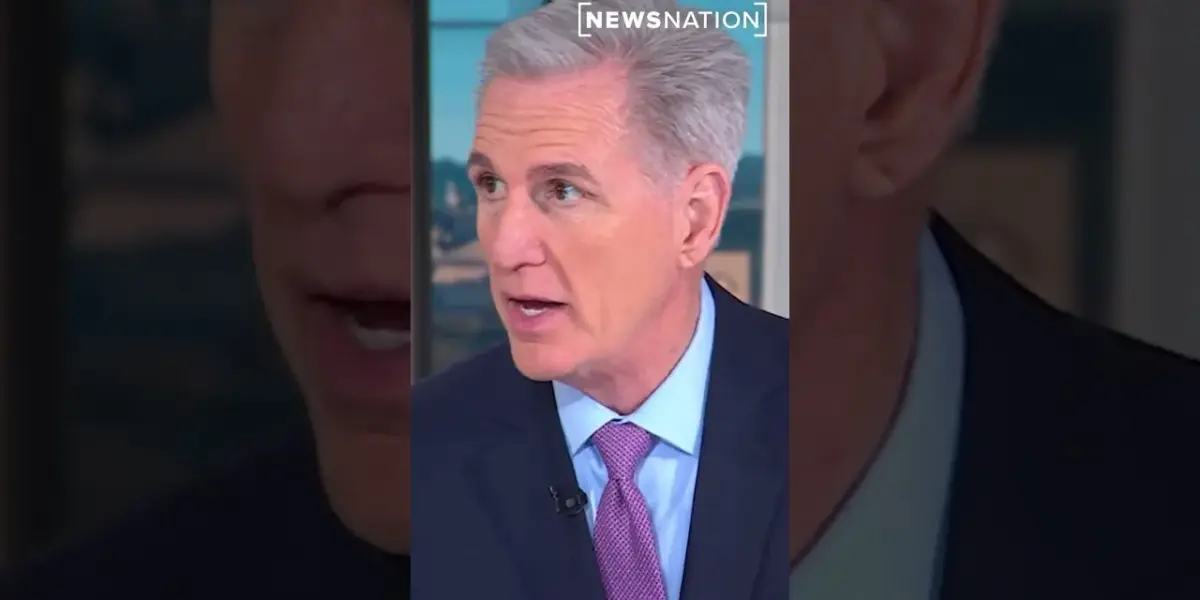
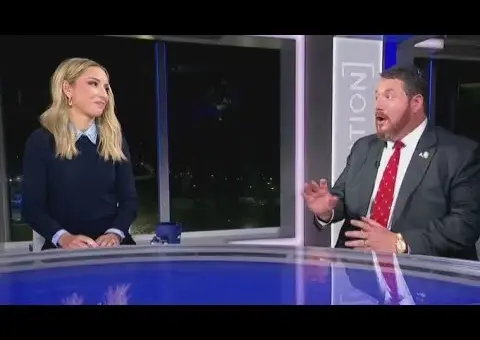
Source: Senate recess during DHS shutdown 'really putting America at jeopardy': McCarthy (YouTube)

Related Articles
TSA Workers Get Paid After Record Absences
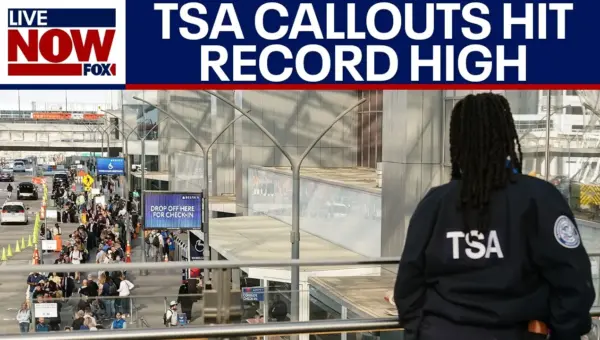
TSA agents will finally receive paychecks after working nearly six weeks without salary, following a directive from President Trump. Record high absences had strained airport operations and caused significant passenger delays. The situation has sparked calls for better protections for essential workers during government shutdowns.


US Must Block China’s Tech Access for Security
US national security experts are raising alarms about China's access to advanced AI chips, arguing it threatens strategic advantages. This, coupled with charges against Chinese entities for fentanyl precursor sales and a ban on foreign routers, signals a growing effort to prioritize security over business ties.
House Republicans Reject Senate Deal, Sparking Government Funding Clash
House Republicans have rejected a Senate bill to end the government shutdown, citing insufficient border security measures. Congressman Randy Fine called the Senate deal a "disgrace" and highlighted the ongoing fight for full government funding. President Trump's executive order to pay TSA agents offers temporary relief, but the core disagreement over border security continues to paralyze Washington.