Congress Flees DC, Leaving Shutdown Crisis Behind
Lawmakers are facing public scrutiny for taking a two-week recess while a homeland security funding bill remains unpassed, leading to a partial government shutdown. An initiative is encouraging citizens to document lawmakers' travel, highlighting the disconnect between congressional actions and public struggles. This situation raises questions about accountability and could impact upcoming elections.

Congress Flees DC, Leaving Shutdown Crisis Behind
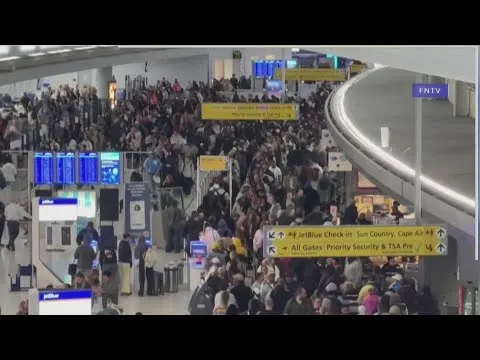
Many lawmakers are currently away on a two-week break, even as a key bill to fund homeland security remains unpassed. This has led to public frustration, with one media initiative encouraging people to send in pictures and videos of lawmakers who are leaving town. The goal is to show what elected officials are doing while the government faces funding issues and the public deals with the consequences.
Public Outcry Over Lawmaker Vacations
The initiative has highlighted instances of lawmakers traveling. Examples include Senator Bernie Sanders flying first class, Senator Marsha Blackburn appearing to avoid cameras at the airport, and Senator Lindsey Graham being seen at Disney World. This has sparked anger because many Americans are facing long lines and government shutdowns while their representatives are on vacation. It raises questions about priorities and accountability in Washington.
The Funding Stalemate
The core issue is the failure to pass a bill to fund the Department of Homeland Security. This has led to a partial government shutdown, affecting government workers and services. The political maneuvering and inability to reach a compromise have left many citizens feeling ignored and frustrated. The situation is described as a mess, with the public and unpaid workers being the ultimate losers.
Media’s Role in Holding Lawmakers Accountable
The media’s role in this situation is to call out both parties for not getting the job done. The current media effort is seen as an innovative way to crowdsource accountability. By showing lawmakers leaving town while work remains unfinished, it aims to put pressure on them to return and find solutions. There are even talks of forcing lawmakers back to Washington if a deal isn’t reached soon.
Political Spin vs. Reality
Lawmakers often offer explanations or spin for their actions, claiming their absence is necessary or will lead to better outcomes. However, the reality is that they did not reach a compromise or conclusion on the funding bill before leaving. This disconnect between the public’s needs and the actions of elected officials is a major source of discontent. The optics of vacationing during a crisis look bad, but more importantly, the gridlock itself is bad for the country.
Potential Impact on Midterm Elections
With the midterm elections about seven months away, the question arises whether this congressional inaction will affect how people vote. Some believe it’s too far off and will be forgotten. Others think it could significantly impact voter turnout. People might decide not to vote for any of these representatives, or they might stay home altogether if they feel their elected officials are not serving their interests. The blame game between parties, where each side tries to pin the fault on the other, further fuels public anger.
Why This Reshapes the World Order
While this specific situation deals with domestic funding, it reflects a broader trend of political polarization and governmental dysfunction. When a country’s own legislative body cannot agree on basic funding and appears disconnected from its citizens’ struggles, it weakens trust in democratic institutions. This distrust can have ripple effects, potentially influencing foreign policy decisions and the country’s standing on the global stage. A government perceived as ineffective at home may be seen as less reliable or capable by international partners and adversaries alike. The inability to pass essential legislation and the public’s resulting frustration highlight the challenges faced by modern democracies in delivering on their promises.
Historical Context
Government shutdowns and funding battles are not new in American politics. Throughout history, Congress has faced difficult budget negotiations and partisan standoffs. These often occur when different political parties control different branches of government or even different chambers of Congress. The current situation, however, is amplified by intense political division and the use of media to directly engage the public and hold lawmakers accountable in real-time. The public’s ability to document and share lawmakers’ actions during these critical periods represents a new dynamic in political accountability.
Economic Leverage
The immediate economic consequence of a shutdown is the impact on government workers who may not receive their paychecks. Beyond that, prolonged governmental paralysis can create uncertainty, affecting markets and business confidence. While no specific sanctions or trade figures were mentioned in this context, the underlying issue of government funding directly relates to the government’s ability to operate and manage the economy. Failure to pass budgets can also affect the government’s capacity to implement economic policies or respond to economic challenges.
Future Scenarios
One possible future scenario is that lawmakers will be forced back to Washington to resolve the funding issue, leading to a short-term deal. Another is that the recess continues, and the problem festers, potentially leading to even greater public anger and a significant impact on the midterm elections. A third scenario is that a compromise is eventually reached, but the damage to public trust remains. The likelihood of each depends on the political will of the parties involved and the continued pressure from the public and media.
Source: Is your lawmaker going on vacation? TMZ targets Congress amid shutdown | Morning in America (YouTube)

Related Articles

DHS Shutdown Hits Day 46: Congress Flees Recess
The Department of Homeland Security (DHS) faces its longest-ever shutdown on day 46 as lawmakers depart for an Easter recess. House Republicans rejected a Senate funding bill, demanding more robust funding for ICE and CBP, leading to a stalemate that has left critical agencies without full appropriations.


Trump Threatens Iran; TSA Workers Get Back Pay
Tensions escalate in the Middle East as President Trump threatens severe action against Iran if a deal isn't reached, while Iran denies ongoing U.S. negotiations. Meanwhile, TSA workers receive partial back pay amid a prolonged government shutdown, and lawmakers face scrutiny over potential insider trading in online prediction markets.
Pelosi Reflects on Legacy, Redistricting Battles, and Women in Politics
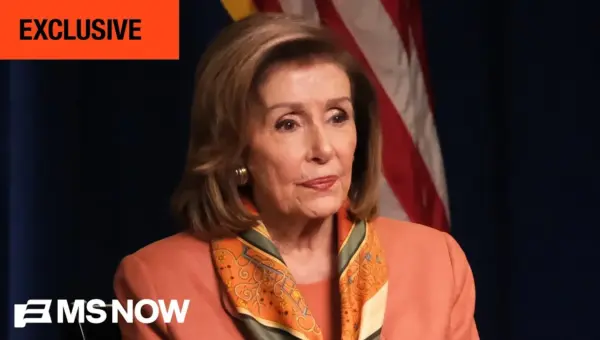
Speaker Emerita Nancy Pelosi recently shared her candid thoughts on redistricting battles, her political legacy, and the challenges facing women in leadership. In an exclusive interview, she highlighted the critical importance of fair representation and expressed optimism for the future of female politicians.