Congress Fights Halt Government Services
A deep divide in Congress over funding for the Department of Homeland Security, particularly ICE, is causing significant disruptions for Americans, including airport delays. Democrats seek reforms while Republicans accuse them of wanting open borders, leading to a political standoff with potential economic consequences.

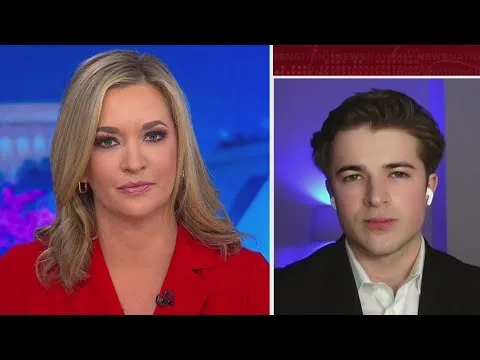
Congress Fights Halt Government Services
The U.S. government is facing significant disruptions as Congress struggles to agree on funding for the Department of Homeland Security (DHS). This disagreement is directly impacting everyday Americans, causing long lines at airports and affecting government workers. Transportation Secretary Sean Duffy warns that the current chaos is just the beginning and could lead to the shutdown of smaller airports and a near halt to air travel.
Democrats and Republicans Clash Over Funding
At the heart of the conflict is the funding for DHS, particularly U.S. Immigration and Customs Enforcement (ICE). Democrats want to separate ICE funding from the rest of DHS, aiming to potentially reduce its scope. Republicans, however, see this as an attempt to defund ICE and refuse to move forward with a plan that they believe weakens immigration enforcement. They argue that Democrats are holding the country hostage by not agreeing to a broader funding bill.
Harry Sisson, a commentator, suggests that Democrats are focused on reforms like body cameras for ICE agents and more judicial oversight for certain operations. Republicans counter that these demands are unreasonable and that Democrats are not negotiating in good faith. They point to instances where Democrats have rejected proposals to fund specific agencies like the TSA and FEMA, even when those agencies are critical for public services.
The Debate Over ICE and Immigration Enforcement
Jason Ran, a Democratic commentator, states that the Democratic position is reasonable. He highlights that Democrats have proposed multiple bills to fund the TSA and ensure employees get paid. He believes Republicans are rejecting these bills, preventing essential workers from receiving their paychecks. Ran also criticizes the Republican stance, arguing that it puts federal workers at risk by not protecting them from potential backlash related to immigration enforcement.
Katie Pavlich, a Republican commentator, strongly disagrees. She argues that Democrats want to defund ICE and effectively create open borders. Pavlich claims that current immigration policies are letting criminals enter the country and harm American citizens. She points to reports suggesting that a large percentage of people in detention lack criminal convictions, implying that many are not hardened criminals being targeted.
Trump’s Stance and Political Ramifications
Interestingly, reports indicate that former President Donald Trump has privately expressed concerns about the focus on mass deportations. The Wall Street Journal reported that Trump has told advisors that such policies might be hurting the Republican party politically, especially in polls. This suggests a potential division within the Republican party on immigration strategy, with some recognizing the need for a more moderate approach to appeal to a wider voter base.
Pavlich argues that Democrats are pushing policies that lead to open borders and that President Biden’s administration has allowed illegal immigration to increase. She claims that Biden only shifted his approach when he realized it was hurting him politically. Sisson refutes this, stating that the claim of open borders is false and that people are not entering the country illegally to commit crimes. He argues that Democrats are seeking accountability and basic reforms, not open borders.
Global Impact
The ongoing political deadlock over DHS funding has immediate and tangible consequences for Americans. Long lines at airports, potential shutdowns of transportation infrastructure, and uncertainty for federal employees highlight the direct impact of partisan gridlock. Beyond the domestic sphere, this inability to agree on fundamental issues like border security and immigration enforcement can project an image of instability and internal division internationally. Allies and adversaries alike observe such domestic struggles, which can influence perceptions of American leadership and its capacity to address complex global challenges. The economic implications, though currently focused domestically, could ripple outwards if U.S. government operations are significantly curtailed, impacting trade and international cooperation.
Historical Context
The debate over DHS funding and immigration policy is not new. It echoes long-standing tensions in American politics regarding national security, border control, and humanitarian concerns. Past administrations have grappled with similar issues, often leading to protracted legislative battles. The creation of DHS itself in 2003 was a response to the 9/11 attacks, aiming to consolidate various agencies under one umbrella to improve national security coordination. The current conflict over ICE funding can be seen as a continuation of the debate about the scope and methods of immigration enforcement that has been ongoing for decades, with different political factions advocating for vastly different approaches.
Economic Leverage
The primary economic leverage in this dispute lies in the control over government funding. By withholding appropriations, Congress can force agencies to operate with reduced staff or cease certain functions, creating public pressure. The threat of airport shutdowns and the potential economic disruption from a widespread government shutdown are significant. For federal workers, the lack of a paycheck is a direct economic hardship. The broader economic impact could include delays in trade, reduced consumer confidence, and a negative signal to international investors about the stability of U.S. governance.
Future Scenarios
One likely scenario is a short-term funding patch that temporarily avoids a full shutdown but does not resolve the underlying disagreements. This could lead to repeated crises. Another possibility is a more comprehensive deal that addresses some of the Democrats’ demands for oversight while providing Republicans with increased resources for border security. However, given the deep divisions, a complete resolution seems unlikely in the near future. A prolonged shutdown, while less probable due to public pressure, remains a possibility if negotiations completely collapse. The influence of upcoming elections could also shape the willingness of parties to compromise, potentially leading to more extreme positions or, conversely, a desire to appear reasonable to voters.
Source: Harry Sisson, Katie Pavlich debate DHS shutdown | Katie Pavlich Tonight (YouTube)

Related Articles

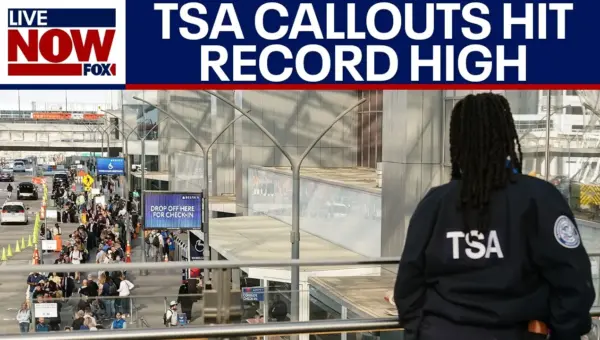
TSA Workers Get Paid After Record Absences
TSA agents will finally receive paychecks after working nearly six weeks without salary, following a directive from President Trump. Record high absences had strained airport operations and caused significant passenger delays. The situation has sparked calls for better protections for essential workers during government shutdowns.

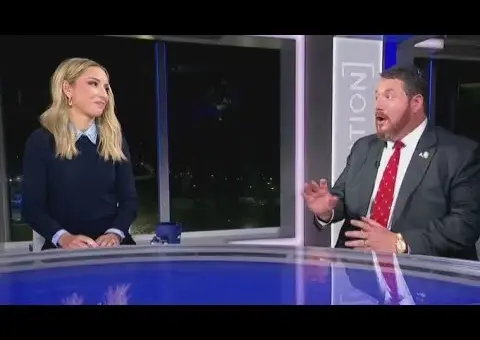
House Republicans Reject Senate Deal, Sparking Government Funding Clash
House Republicans have rejected a Senate bill to end the government shutdown, citing insufficient border security measures. Congressman Randy Fine called the Senate deal a "disgrace" and highlighted the ongoing fight for full government funding. President Trump's executive order to pay TSA agents offers temporary relief, but the core disagreement over border security continues to paralyze Washington.

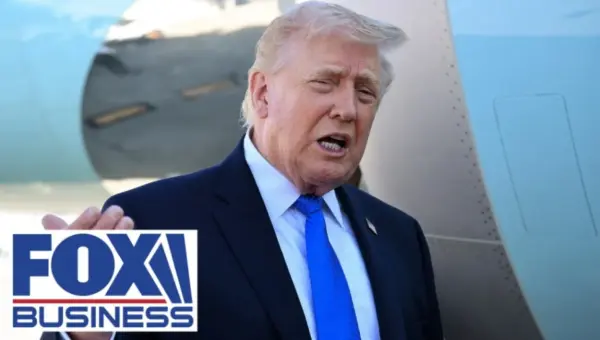
House Rejects Senate Bill, Citing Border Security Funding Gaps
House Republicans are rejecting a Senate funding bill, arguing it lacks essential appropriations for ICE and CBP, threatening anti-trafficking efforts and border security. They plan to pass a short-term measure to force renewed negotiations.