Congress Fiddles While DHS Shuts Down, Key Bills Stall
Congress has left for a two-week recess, leaving the Department of Homeland Security partially shut down and key legislation on hold. Lawmakers face a backlog of issues, including funding bills and election reform, upon their return. The break is drawing criticism for its timing amidst unresolved national concerns.

Congress Departs, Leaving Key Issues Unresolved
Lawmakers have left Washington for a two-week recess, but major legislative battles remain unsettled. The Department of Homeland Security (DHS) is still partially shut down. Important bills, like the Save America Act, are now on hold until Congress reconvenes. This break means critical work stops, leaving many government functions in limbo.
DHS Shutdown Continues Despite Recess
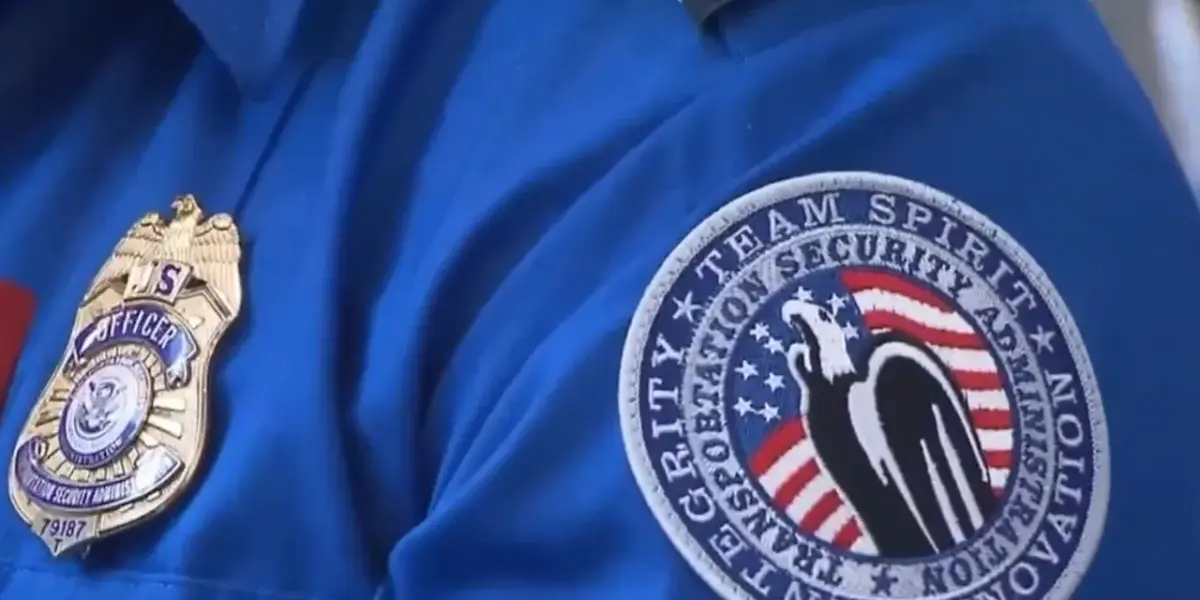
The partial shutdown of the DHS has now lasted 44 days. While President Trump used an executive order to ensure TSA agents continue to get paid, other parts of the DHS are not so lucky. Non-essential employees are either furloughed, meaning they are temporarily laid off, or working without pay. This situation affects agencies like SISA, causing significant disruption.
Major Legislative Hurdles Await Return
When Congress returns on April 13th, they face a packed agenda. A funding bill that can pass both the House and Senate is needed to end the DHS shutdown. Beyond that, lawmakers must also tackle the reauthorization of FISA, which deals with surveillance laws. Broader budget talks are also on the table, linked to budget reconciliation processes. The Save America Act, a bill requiring proof of citizenship to register to vote and voter ID to cast a ballot, is also stalled.
Criticism Mounts Over Congressional Break
The decision for Congress to leave town for a recess is drawing fire from both sides of the aisle. Senator Mike Lee expressed his disapproval, stating, “College students go on spring break. The Senate shouldn’t.” He believes Congress should not take breaks when important work needs doing. House Minority Leader Hakee Jeff also called for the House to return to session to end the DHS shutdown.
Internal Party Frustration
Even within the Republican party, there is frustration. Senator Lee further commented, “Congress, especially the Senate, cannot skate by relying on President Trump to solve all our problems.” He feels that Republicans need to fight for lasting policy changes instead of relying on temporary solutions. He warned that failing to act now could hurt their chances in the upcoming elections.
A Functionally Stalled Government
Technically, Congress is still in session. However, in practice, nothing substantial is getting done. The Senate will hold only brief pro-forma sessions during the recess. These are quick meetings where no significant legislation is expected to pass. This is because any single senator can block action. For now, the government is effectively stalled, with a backlog of issues waiting for lawmakers.
Why This Matters
The current legislative stalemate highlights a growing problem in American politics: gridlock. When Congress prioritizes breaks over resolving critical issues, it directly impacts government services and public trust. The partial shutdown of the DHS, for instance, affects national security and the livelihoods of federal employees. Key legislation, like the Save America Act, which deals with election integrity, is delayed, preventing public debate and potential solutions. This inaction can lead to a perception that government is ineffective and unresponsive to the needs of its citizens.
Historical Context and Trends
Congressional recesses have always been a part of the legislative calendar. However, the current environment of intense partisan division often means that these breaks occur when major issues are far from resolved. In the past, periods of divided government could still see compromise. Today, however, deep ideological differences and a focus on political posturing often lead to prolonged standoffs. This trend suggests a shift towards a more confrontational political style, where legislative progress is often sacrificed for perceived political gain.
Implications and Future Outlook
The unresolved issues facing Congress have significant implications. The continued DHS shutdown could lead to further disruptions in essential services and impact national security. The delay in voting legislation raises concerns about election processes and public confidence. As lawmakers return, the pressure will be immense to address the backlog. However, given the current political climate, it is likely that partisan disagreements will continue to hinder progress. The ability of Congress to overcome this gridlock will be a key indicator of its future effectiveness and its capacity to serve the public interest.
Source: Lawmakers Leave Washington for Recess With Legislative Stalemate Unresolved (YouTube)

Related Articles
Trump’s Iran Strategy Under Fire: Reporter Blasts ‘Chaos’
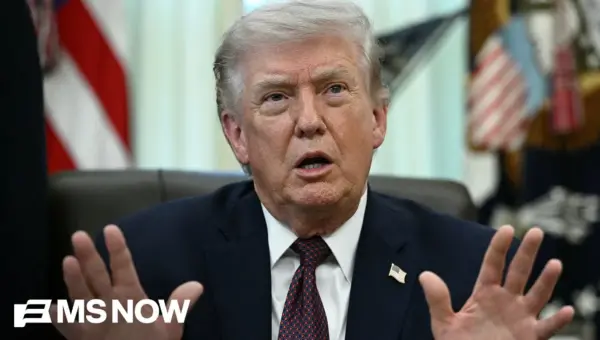
MSNBC reporter Simone Thompson criticizes President Trump's "chaotic" Iran strategy, arguing it has worsened global oil prices and alienated allies. The reporter highlighted how mixed signals and a lack of European support undermine the policy's effectiveness, directly impacting American consumers with higher gas costs.
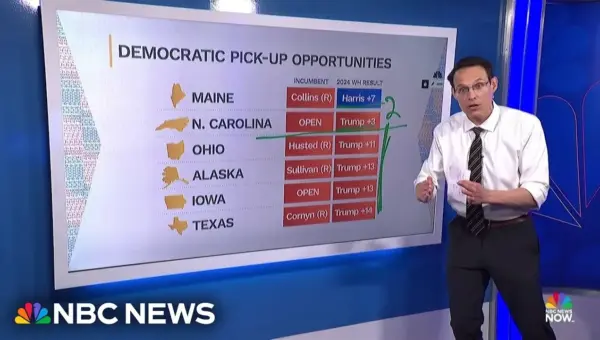
Democrats Face Uphill Battle to Retake Senate
Democrats face a tough challenge in their bid to win back the Senate, needing to secure a net gain of four seats. While some opportunities exist in states like Maine and North Carolina, winning in deeply pro-Trump states like Ohio, Alaska, Iowa, and Texas presents a significant hurdle, according to data analyst Steve Kornacki.
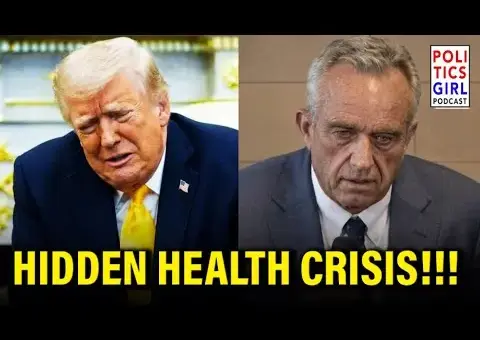
Medical Experts Sound Alarm on Political Health Threats
Dr. Anahita Dua warns that potential leadership changes in health departments could endanger public well-being. Concerns are raised about RFK Jr.'s possible role in shaping health policy, emphasizing the need for science-based leadership. This issue is crucial for national health and future preparedness.