Congress Fails TSA Workers, Fueling Uncertainty
TSA agents are facing extreme financial hardship due to ongoing government shutdowns. Despite promises of back pay, union leaders express deep concern over long-term job security and the financial strain on workers. The lack of consistent pay raises questions about Congress's commitment to essential public servants.

Congress Fails TSA Workers, Fueling Uncertainty
The ongoing struggle for TSA agents to receive consistent paychecks highlights a deep divide in Washington. As the government shutdown continues, essential workers at airports are facing severe financial hardship. This situation puts a strain on national security and raises questions about how Congress values its public servants.
A “Rollercoaster” of Uncertainty
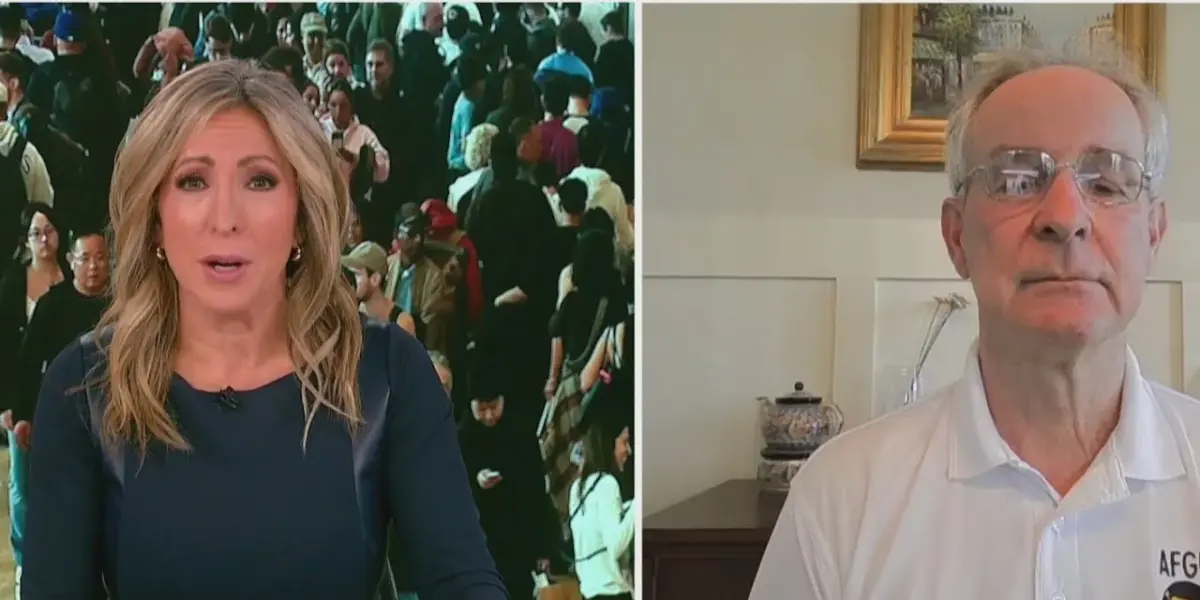
George Borick, a TSA union leader, described the situation as a “rollercoaster.” He explained that workers are unsure when or if they will be paid. On Monday, there was hope as the Senate passed a funding bill unanimously. Borick went to work, putting in a 14-hour shift. However, the bill never reached the House floor for a vote. House Speaker Mike Johnson did not bring it up for a vote, which Borick called a “shame.” He believes that if the bill had passed, they would be on the road to recovery.
The Impact on TSA Agents
Many TSA agents have spoken out about the effects of the shutdown. They are required to report to work, even without pay. This means they must find ways to get to the airport, sometimes with no gas in their cars. Borick mentioned that some officers are running into issues because they simply cannot afford to keep coming to work with no money. When paychecks do eventually arrive, they may not be enough to cover the costs incurred during the shutdown. Late fees and other expenses add up, making it difficult to return to financial stability.
Presidential Intervention and Lingering Doubts
President Trump offered a solution to pay TSA agents. Checks were expected to start arriving around March 30th. While this offers some relief, it does not solve the long-term problem. Borick stated that this is a “one-shot deal.” He emphasized that workers want security and the assurance of getting a paycheck every two weeks. The Department of Homeland Security confirmed that TSA had started the process of paying its workforce. However, Borick pointed out that one paycheck might cover immediate needs like rent and groceries, but not larger expenses like mortgages or children’s activities.
Community Support and Worker Morale
The stress of the shutdown is taking a toll on TSA officers. Borick shared that many workers are experiencing a lot of unknowns and questions about their jobs. He mentioned that a food bank was set up to provide boxes of food for officers, which helps. Despite the difficulties, many travelers are showing appreciation. Reporters at airports have seen people thanking TSA agents for being there and for coming to work. This support is important, but it does not replace the need for stable pay and job security.
Historical Context and Future Concerns
This is not the first time TSA agents have faced a shutdown. The previous longest shutdown lasted 43 days. The current situation could extend even longer, as Congress is leaving for Easter break. Borick stressed that the people working for TSA and Homeland Security deserve to be paid for their work. They want stability in their jobs. The lack of action from Congress is seen as a failure to support these essential workers. The ongoing uncertainty raises concerns about retaining experienced TSA officers and maintaining national security at airports.
Global Impact
While this article focuses on the plight of TSA agents in the United States, it touches on broader themes of government responsibility and worker rights. The ability of a government to fund its essential services and pay its workforce is a sign of stability. When this breaks down, it can impact international travel and perceptions of a nation’s reliability. The reliance on a functioning transportation system, including air travel, is crucial for global commerce and diplomacy. Disruptions in one country can have ripple effects on international business and tourism.
Source: ‘We’re on a rollercoaster,’ TSA union leader says amid shutdown | NewsNation Live (YouTube)

Related Articles

US Immigration Debate Intensifies Amidst Crime Concerns
Recent crime incidents, including the murder of Sheridan Gorman, have intensified the U.S. immigration debate, spotlighting concerns over sanctuary city policies and the impact of the government shutdown on federal employees like TSA staff. The International Olympic Committee's decision on transgender athletes and Republican concerns about flipping electoral seats also feature in this analysis of current geopolitical and domestic affairs.

Iran Tensions Rise, Airport Chaos Looms
Global tensions escalate as Iran war concerns impact oil prices and stock markets. Simultaneously, a potential end to the TSA worker pay crisis is in sight with a presidential order. In personal news, Savannah Guthrie shares new details about her mother's kidnapping, while the family of an Idaho murder victim champions a new law protecting victims' privacy. Finally, Nicolas Maduro challenges his indictment in a New York court over legal fees.
Congress Splits, DHS Funding Stalls Amid Border Dispute
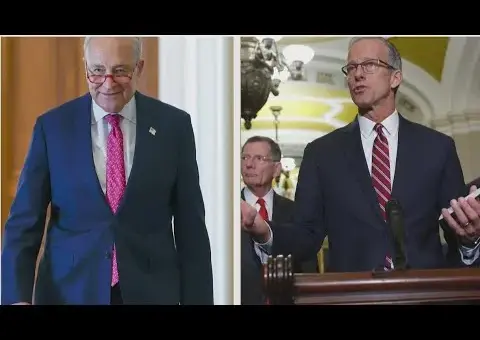
The U.S. House of Representatives passed a bill to fund the Department of Homeland Security (DHS) for eight weeks, but a deep disagreement with the Senate means the shutdown continues. TSA agents will receive paychecks soon, but other DHS agencies remain unfunded. The dispute centers on border security policy.