Congress Fails to Fund Homeland Security, Shutdown Drags On
The longest-ever government shutdown continues as Congress fails to agree on funding for the Department of Homeland Security. Deep divisions over ICE policies between the House and Senate have led to legislative gridlock, impacting national security operations and highlighting partisan rifts.

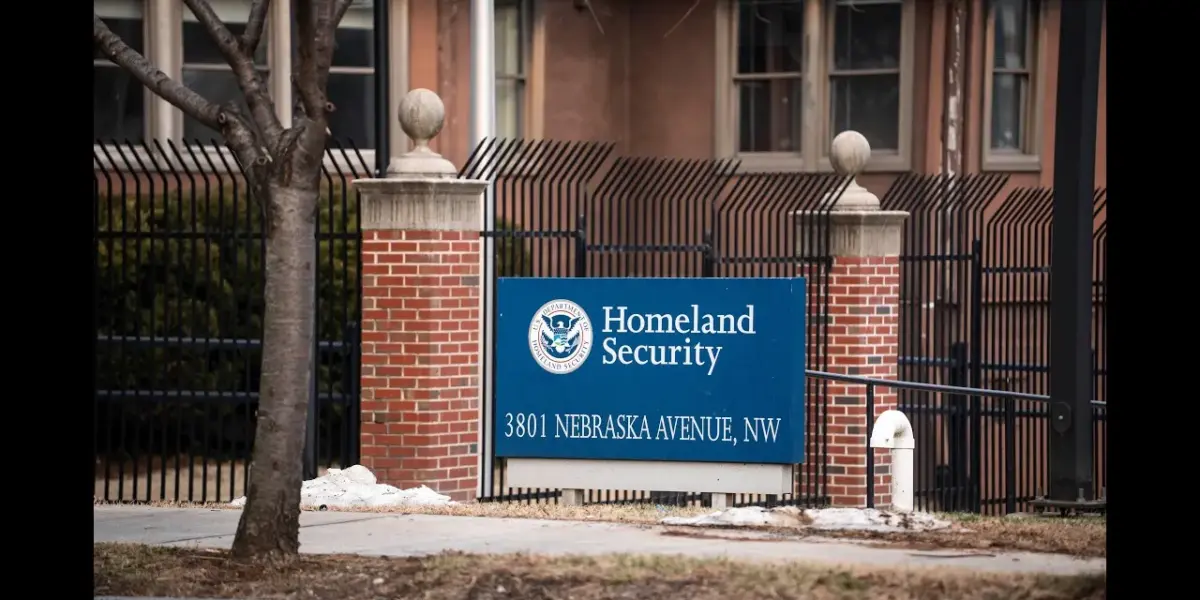
Congress Stalls on Homeland Security Funding
The government shutdown affecting the Department of Homeland Security (DHS) has now become the longest in history. Late-night votes on Capitol Hill revealed deep disagreements between the House and Senate. Some lawmakers are even calling for new leadership in the Senate.
Senate’s Late-Night Deal Rejected
Senators struck a deal late one night and then left town for their Easter break. This deal left funding for the Department of Homeland Security uncertain. One senator commented, “The stereotype of Congress is… that we pass stuff in the dark of night because we don’t have any guts. And that’s clearly what’s shown in the Senate leadership.” He added, “I think they need to get some new leadership over there.”
House lawmakers, however, did not agree with the Senate’s plan. They rejected the Senate’s late-night deal. Instead, the House passed a temporary measure. This would provide funding for the entire DHS for the next eight weeks. A House member explained their reasoning: “We’re not going to split apart two of the most important agencies in the government and leave them hanging like that. We just couldn’t do it.”
Democrats Block House Plan
Senate Democrats quickly rejected the House’s plan. They stated it would not be considered in their chamber. One senator expressed frustration, saying, “It is unconscionable to me that the Democrats would force some sort of negotiation at 3:00 in the morning and try to hoist this upon the American people and then get on their jets and go home for their holiday.”
President Sides with House
The President has supported the House Republicans’ position. He called the Senate’s deal to delay funding for Immigration and Customs Enforcement (ICE) inappropriate. The President believes the Senate should end the filibuster and vote on the funding bill. He stated, “Look, I think the Senate is playing it too soft.”
Calls to End Recess
Senator Mike Lee suggested the President use his constitutional power. He proposed forcing senators to return from their recess. He argued that making them debate DHS funding on the Senate floor would create pressure. “We can’t reward unprecedented obstruction with two-week recesses,” he wrote.
Disagreement Over ICE Policy
The core of the problem is a disagreement about ICE policies. Democrats previously rejected a White House proposal. Their main objections were to the use of agent masks and the requirement for judicial warrants for enforcement actions.
Democrats want ICE to operate like other police departments. They believe this would better serve taxpayers. Republicans, however, have drawn a firm line on these issues. They argue that masks protect ICE agents from being identified and harassed online (doxing). They also believe that requiring judicial warrants would slow down their work too much.
Republicans point out that the laws governing ICE operations have not changed. “The same laws that ICE follows today… have been in place during a Clinton, Obama, and now the laws hasn’t changed.” They feel the demands from Democrats are aimed at preventing ICE from doing its job effectively.
Why This Matters
This prolonged shutdown highlights a deep political divide over immigration enforcement. It shows how disagreements on specific policies can lead to a standstill in government operations. The inability to pass essential funding impacts the agencies responsible for national security and border control. This creates uncertainty and can affect the morale and effectiveness of thousands of government employees.
Implications and Future Outlook
The current situation suggests that future funding battles could become more frequent and intense. The use of policy riders on essential funding bills is becoming a common tactic. This can lead to gridlock, as seen with the DHS funding. We may see continued standoffs, especially as elections approach. Both parties will likely use these issues to rally their bases.
The trend of using shutdowns or near-shutdowns as negotiation tools could become the norm. This approach makes it difficult for government agencies to plan long-term. It also erodes public trust in the government’s ability to function. Finding common ground on immigration policy remains a significant challenge for lawmakers.
Historical Context
Government shutdowns are not new in American politics. They have occurred under various administrations, often stemming from budget disputes. However, the duration of this DHS shutdown is notable. It underscores the increasing polarization in Washington. Past shutdowns, like the one in 2013 over the Affordable Care Act, also caused significant disruption. This event adds to a history of partisan impasses over key government functions.
Source: No End in Sight for Longest Ever DHS Shutdown (YouTube)

Related Articles

DHS Shutdown Hits Day 46: Congress Flees Recess
The Department of Homeland Security (DHS) faces its longest-ever shutdown on day 46 as lawmakers depart for an Easter recess. House Republicans rejected a Senate funding bill, demanding more robust funding for ICE and CBP, leading to a stalemate that has left critical agencies without full appropriations.


Trump Threatens Iran; TSA Workers Get Back Pay
Tensions escalate in the Middle East as President Trump threatens severe action against Iran if a deal isn't reached, while Iran denies ongoing U.S. negotiations. Meanwhile, TSA workers receive partial back pay amid a prolonged government shutdown, and lawmakers face scrutiny over potential insider trading in online prediction markets.

Trump’s War Focus Alienates MAGA Base, Fuels Protests
Frustration is mounting as President Trump's focus on foreign wars clashes with domestic needs and promises to his MAGA base. Protests like 'No Kings' highlight public anger over war spending, rising costs, and neglected issues, while Democrats seek common ground on practical solutions.