Congress Faces Shutdown; Trump Threatens Special Session
Congress faces a potential government shutdown as funding for the Department of Homeland Security remains unresolved. President Trump is considering a rare special session to force a resolution. Lawmaker Henry Cuellar criticizes using shutdowns as leverage, advocating for direct negotiations on policy differences.

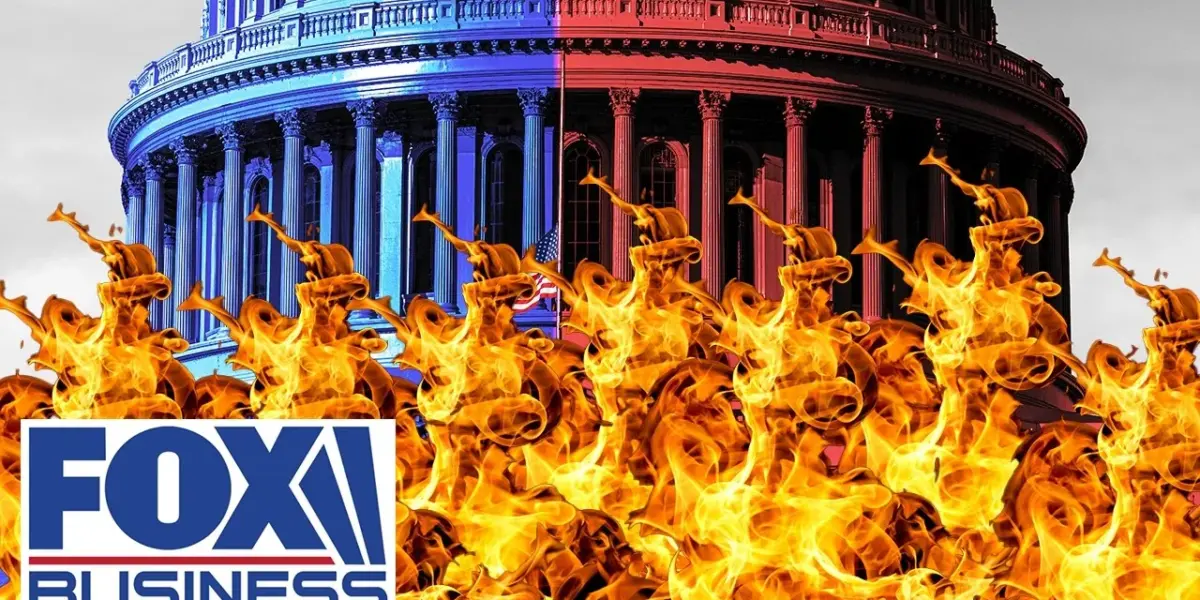
Congress Faces Funding Crisis as Shutdown Looms
Lawmakers are returning to a tense political climate as the federal government faces a potential shutdown. The Department of Homeland Security (DHS) has been operating without full funding for nearly two months, a situation lawmakers are scheduled to address after their recess ends on April 14.
Trump Considers Rare Special Session
President Trump is reportedly considering a rare move: forcing Congress back into session for a special session to resolve the funding lapse. This would be the first such session since 1948. Republicans are preparing a budget reconciliation bill, which can pass with a simple majority, to fund DHS for three years. This effort aims to secure funding for agencies like CBP, FEMA, and the Coast Guard without needing Democratic support.
Lawmaker Criticizes Shutdown Strategy
Representative Henry Cuellar, a Democrat on the House Appropriations Committee, voiced strong criticism of using government shutdowns as a political tactic. “I think that is wrong. We ought to fund government, work out policy decisions,” Cuellar stated. He believes that shutdowns should not be used as leverage to achieve policy goals. Cuellar emphasized his commitment to funding law enforcement agencies, including ICE and the Border Patrol, stating, “I never believed in defunding police. I never believed in defunding ICE.”
Policy Disputes Hamper Negotiations
The core of the disagreement lies in policy differences, particularly concerning immigration enforcement. Republicans have expressed willingness to discuss changes related to agencies like ICE, including funding for body cameras and training. However, Democrats have pushed back on certain proposals. Cuellar suggested that many policy issues could be resolved by returning to practices in place a year or three years ago. Specific points of contention include policies on masks and the requirement for judicial warrants for certain enforcement actions by ICE.
Concerns Over Add-ons in Funding Bills
A significant concern in the House is that reopening negotiations could lead members from both parties to attach unrelated amendments, or “add-ons,” to funding bills. This could complicate efforts to reopen the government or fund the DHS. Speaker Mike Johnson and House Republicans reportedly rejected a bipartisan path forward previously passed by the Senate, partly due to this fear of extraneous policy demands derailing the process.
Call for Direct Negotiations
Cuellar advocated for more direct negotiation tactics. He suggested that leadership from both parties should meet in person to resolve disputes rather than engaging in long-distance negotiations. “Negotiations means you put people in the same room, lock the door, work it out,” he explained, contrasting this with the current method of sending proposals back and forth over several days.
Presidential Address on Iran
In addition to domestic funding issues, President Trump is scheduled to address the nation regarding Iran. The administration has signaled a potential end to the conflict in weeks. Trump has indicated a willingness to reach a deal, stating, “There is no reason to do this. It is possible to make a deal before the bridges we hit some hit time bridges.” He also commented on the military actions taken, noting that it would take Iran 15 to 20 years to rebuild what has been destroyed.
Geopolitical Concerns and Exit Strategies
Regarding military actions, Cuellar, who has experience with appropriations and military industrial complexes, stressed the importance of clear objectives and exit strategies before engaging in conflict. He referenced a 1973 resolution and expressed a desire to see clear objectives and a plan for withdrawal within 30 days. He believes Iran poses a danger and that the administration’s actions have significantly impacted its industrial complex and weapons capabilities.
Market Impact
The ongoing threat of a government shutdown creates uncertainty for financial markets. Shutdowns can disrupt government services, delay economic data releases, and potentially impact consumer and business confidence. While the direct economic impact of short-term shutdowns is often limited, prolonged funding lapses can have more significant consequences. The market will be closely watching developments in Washington and any potential shifts in policy related to homeland security and immigration.
What Investors Should Know
Investors should monitor the progress of budget negotiations in Congress. Uncertainty surrounding government funding can lead to increased market volatility. The situation highlights the ongoing political divisions that can affect fiscal policy and government operations. The potential for a special session, while rare, underscores the urgency to resolve the funding issue. Furthermore, geopolitical tensions involving Iran and the administration’s response add another layer of complexity to the global economic outlook.
Source: 'THAT IS WRONG': Dem rep EXPLODES over party shutdown strategy (YouTube)

Related Articles


Trump’s Impossible Demands Reshape Justice Department
President Trump's demand for loyalty and action outside legal norms has reshaped the Justice Department. Recent departures, like Pam Bondi's, highlight the difficulty of fulfilling the President's "impossible tasks." The search for a new Attorney General continues amidst concerns about the DOJ's independence.


Trump’s Leadership: A Moral Vacuum for Young Learners?
Young people seek moral guidance from leaders, but what lessons does Donald Trump offer? Some argue his approach teaches negative behaviors like bullying and isolation, contrasting with traits like patience and gratitude seen in others. This raises questions about leadership character and its impact on societal values.

Trump’s Transparency: A Press Secretary’s Bold Claim
President Trump's press secretary, Sarah Huckabee Sanders, claims his public persona is identical to his private one. She states his directness eliminates guesswork, making her job easier by providing clear, unspun messages.