Congress Faces Backlash Over War Powers Amidst Escalating Iran Conflict
Congress is facing intense criticism for its failure to curb President Trump's military actions against Iran, with critics citing a "total lack of courage" and complicity with executive overreach. Reports suggest Trump is considering ground troops in Iran, while economic impacts like rising gas prices and concerns over foreign influence and leadership competency are mounting.

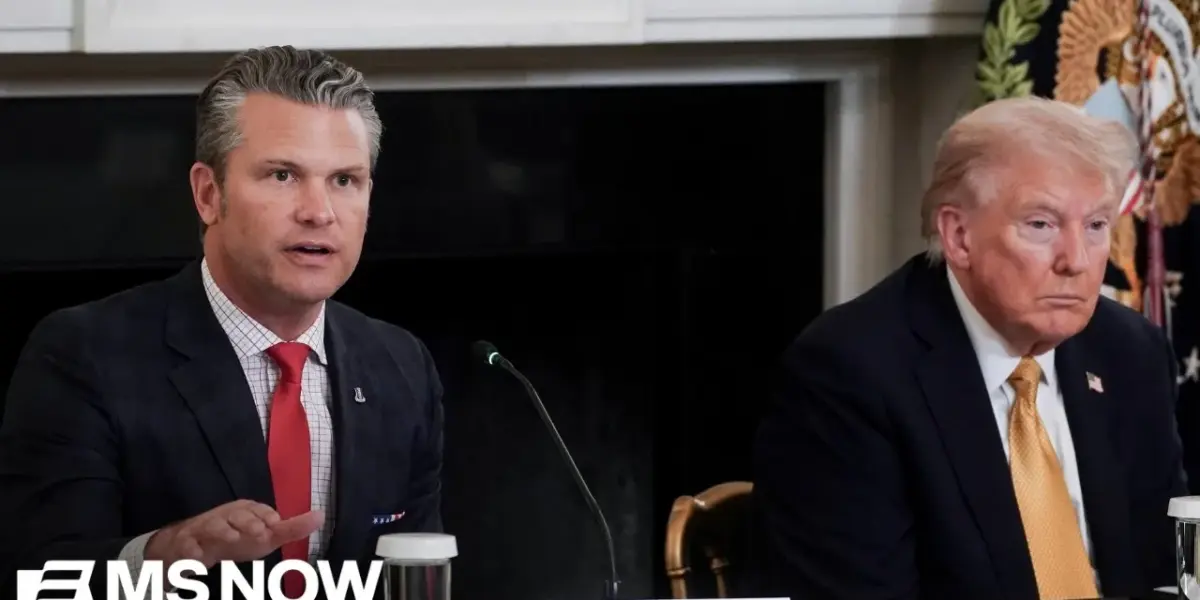
Congress Criticized for Inaction as Trump Pushes Military Action Against Iran
Washington D.C. – In a week marked by escalating international tensions and domestic political deadlock, Congress has faced sharp criticism for failing to assert its constitutional authority over the use of military force. Despite President Trump’s increasingly aggressive rhetoric and actions concerning Iran, both the Republican-led House and Senate have failed to pass a war powers resolution that would limit the President’s ability to unilaterally engage in military conflict. This inaction has drawn fire from lawmakers like Congressman Seth Moulton (D-MA), a Marine veteran and member of the House Armed Services Committee, who argues that Congress has demonstrated a “total lack of courage” in upholding its duty to decide when the nation goes to war.
Trump’s Escalating Rhetoric and Potential Ground Operations in Iran
The diplomatic and military standoff with Iran has intensified following reports of Iranian strikes near Mehrabad International Airport and Israeli strikes in Lebanon resulting in significant casualties. President Trump has taken to social media, including Truth Social, to declare that “Iran will be hit very hard” and that “complete destruction” is under serious consideration due to Iran’s “bad behavior.” These statements come amidst reports, citing multiple U.S. officials, that Trump has privately expressed significant interest in deploying American troops on the ground within Iran. While the White House has dismissed these reports as speculation from anonymous sources, the President’s public pronouncements suggest a willingness to consider extreme military measures.
“The Constitution that says that it’s Congress, it’s us. We are the ones who are supposed to decide whether the nation goes to war. And that’s because we reflect the views of the American people who we are against this… And yet we gave in to the administration.”
– Congressman Seth Moulton
Congressional Stalemate on War Powers
The recent failure of Congress to adopt a war powers resolution is seen by critics as a significant abdication of responsibility. Congressman Moulton lamented that even some Democrats were unwilling to “stand up for the Constitution and say enough, Mr. President, you’re not allowed to go and unilaterally declare war.” He characterized the votes as an act of complicity, arguing that both parties are enabling the executive branch to commit U.S. military resources without a clear and present danger to national security. Moulton contested the common argument that past presidents have also engaged in military actions without direct congressional approval, emphasizing that “never on this scale and only in the face of an imminent threat.” He stressed that the current situation constitutes an “absolute war, not a limited military action,” and that Congress has a solemn duty to debate and vote on such critical decisions, given the potential loss of American lives.
Economic Repercussions and Public Concern
The conflict’s economic impact is already being felt by American consumers. Since the war began, gas prices have surged by 14%, with the average price of unleaded gasoline reaching $3.41 per gallon. The cost of the ongoing military engagement is staggering, with congressional sources reporting it is costing the U.S. an estimated $1 billion per day. Congressman Moulton highlighted how these rising costs disproportionately affect ordinary Americans, noting that in his home state of Massachusetts, families are struggling to afford heating bills amidst a cold winter. He criticized President Trump’s perceived detachment from these economic realities, suggesting that the President is “completely out of touch with America.” Furthermore, reports indicate Russia is providing targeting information on U.S. troops to Iran, yet President Trump has reportedly considered relaxing sanctions on Russia, a move Moulton described as a “favor for Vladimir Putin.”
Concerns Over Presidential Manipulation and Foreign Influence
New reporting from The Wall Street Journal suggests a significant role played by Senator Lindsey Graham in personally lobbying Israeli Prime Minister Benjamin Netanyahu, who then reportedly presented intelligence to President Trump that persuaded him to align with Israel in the conflict. Congressman Moulton expressed deep discomfort with the current administration’s relationship with foreign leaders, asserting that Trump “has absolutely no respect among our allies.” He pointed to instances where Trump has, in his view, been manipulated by foreign powers and donors, citing Ukraine, Venezuela, and now Iran. Moulton argued that the timeline for military action in Iran was set not by U.S. military strategy but by Netanyahu, leading him to question the narrative of Trump’s strength and instead characterize him as easily manipulated.
Criticism of Defense Secretary Peter Hegseth
The conduct of Defense Secretary Pete Hegseth has also come under intense scrutiny. Congressman Moulton stated that “behind the scenes, Republicans cannot wait to get rid of this guy.” He described internal Republican discussions prioritizing Hegseth’s removal over other potential firings. Moulton cited Hegseth’s controversial remarks, including allegedly calling troops “losers” and “suckers,” and his perceived lack of respect for fallen soldiers, contrasting sharply with the immediate memorialization of fallen heroes by the Chairman of the Joint Chiefs of Staff after Hegseth’s dismissive comments. Moulton believes Hegseth is too closely aligned with the Trump agenda and lacks the appropriate respect for the sacrifices of military personnel, questioning his suitability for the role of Secretary of Defense.
Republicans Cowed by Trump, Democrats Divided
Moulton lamented the political climate, observing that while many Republicans privately express dissatisfaction with the administration’s policies and conduct, they are unwilling to speak out publicly. He noted that even when Democrats or Republicans might have strongly condemned similar actions under a different administration, they are now “totally cowed by Donald Trump.” This lack of public dissent, he suggested, leaves many Republicans struggling to explain their inaction to their families and future generations. The congressman’s remarks highlight a deep division within Congress, with a significant portion hesitant to challenge presidential authority even when faced with potentially grave consequences for national security and American lives.
Looking Ahead: Congressional Accountability and Future Policy
As the conflict with Iran continues to evolve, the focus will remain on Congress’s ability to reassert its constitutional role in matters of war and peace. The upcoming weeks will likely see continued debate over the extent of presidential war-making powers and the accountability of executive branch officials like Secretary Hegseth. Public reaction to the economic impact of the conflict and any further escalation of hostilities will also play a crucial role in shaping the political landscape. The willingness of lawmakers, particularly Republicans, to break ranks and publicly challenge the administration’s policies will be a key indicator of the future direction of U.S. foreign policy and the strength of its democratic institutions.
Source: House Dem reveals Trump’s GOP seeks to 'get rid of’ Hegseth and what’s stopping them from doing it (YouTube)

Related Articles


Snyder: Democracy Demands Citizen Action, Not Passive Hope
Historian Timothy Snyder asserts that democracy's survival depends on active citizen participation, not passive hope. He analyzes the fraying 'veneer of invincibility' surrounding Donald Trump and stresses the vital role of grassroots action and a vigilant press in bolstering democratic institutions.
Bondi Faces Epstein Fallout Amidst Trump’s Cover-Up Shield
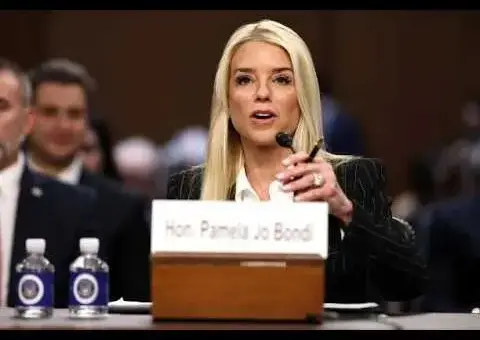
Congressman Dan Goldman discusses the complex situation surrounding Pam Bondi's potential involvement in the Epstein cover-up. He argues that unlike other officials, Bondi's deep knowledge of 'Epstein secrets' and potential leverage over Donald Trump makes her firing unlikely, highlighting concerns about a broader accountability gap in the current political climate.

War Games: How Memes Mask a Catastrophic Iranian Conflict
A critical analysis of the current Iranian conflict, exposing how the Trump administration's use of memes and perceived detachment trivializes the human cost. The piece questions the necessity of the war, highlights geopolitical manipulation, and examines the severe economic impact on American families.