Congress Eyes Sports Betting Crackdown Amidst Addiction Fears
US lawmakers are considering new regulations for the booming sports betting industry due to rising concerns about addiction and market manipulation. The debate involves bipartisan support but faces questions about presidential backing and the industry's rapid expansion.

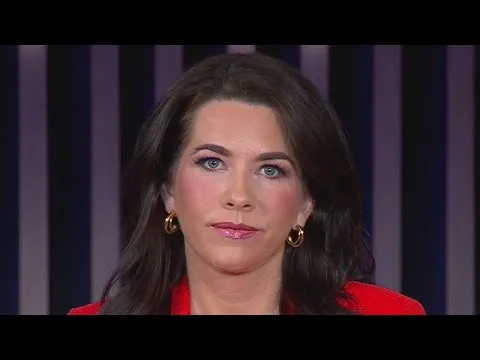
Congress Eyes Sports Betting Crackdown Amidst Addiction Fears
Lawmakers from both major parties in the United States are exploring ways to regulate the rapidly growing sports betting industry. This bipartisan interest suggests a potential for new legislation, though the final form it takes remains uncertain. A key question is whether President Biden would support such measures, as his administration could be influenced by advisors knowledgeable about the issue.
The debate comes at a time when major sporting events like the Super Bowl and March Madness highlight the popularity of sports gambling. However, concerns are mounting about its impact. Dave Ramsey, a prominent voice, argues that the ease of betting on phones is ruining the lives of many young men. He states that online sports gambling is the fastest growing addiction destroying men in their 20s.
Broader Societal Issues at Play
While sports betting is a focus, some analysts suggest it’s part of a larger trend. They point to a “dopamine nation” where people seek thrills from various sources. This includes investing in Bitcoin, opening collectible card packs, or buying mystery “blind boxes.” Sports gambling is seen as one piece of this puzzle, not the sole cause of addictive behaviors.
Industry Concerns and Prediction Markets
Within the sports betting industry itself, there’s nervousness that the market may have expanded too quickly. A particular area of concern involves “prediction markets.” These platforms allow users to bet on a wide range of future events, sometimes blending sports outcomes with real-world occurrences like wars. For example, betting on whether Florida will win a game could be combined with betting on the end of a conflict.
This blurring of lines has led to worries about insider trading and market manipulation. When bets are placed on events that could be influenced by insider information, such as the timing of a war ending, it can actually affect real markets. Reports indicate that one prediction market, Kalshi, has seen bets on war outcomes that could influence commodity prices, like oil.
Kalshi’s Response and Insider Trading
In response to these concerns, Kalshi has stated it will try to ban certain types of insider trading markets. This is a significant shift, as the company previously seemed to believe that insider trading on prediction markets was not inherently bad and could even be beneficial. Prediction markets allow betting on almost anything, from weather to political elections.
The Rise of Online Sportsbooks
Alongside prediction markets, online sportsbooks like DraftKings, MGM, and FanDuel have become widely accessible through phone apps. Their advertising promotes the excitement and ease of placing bets on various aspects of games, from game outcomes to specific plays during live events. These platforms offer a wide array of betting options, making it simple for users to engage.
Unforeseen Consequences of Legalization
There’s a sentiment that when Congress legalized gambling, lawmakers did not fully grasp how massive it would become. The current situation is seen by some as just the beginning of addressing the problems associated with this growth. Professional athletes, for instance, have raised safety concerns. They worry about receiving hate mail or facing pressure to fix games, especially at the college athlete level. These issues suggest that the initial legalization may have overlooked significant ethical and security implications.
Global Impact
The expansion of legal sports betting in the U.S. is part of a global trend towards increased gambling accessibility. This phenomenon raises questions about consumer protection, financial stability, and the potential for addiction across different societies. As more countries consider or expand their own gambling markets, they will likely face similar debates about regulation, ethical considerations, and the societal impact on younger generations.
Why This Reshapes the World Order
While not a traditional geopolitical power shift, the debate over sports betting touches on evolving societal values and the influence of digital technologies. The ability to bet on almost anything, including events with geopolitical implications, highlights how financial markets and speculative behavior can become intertwined with real-world events. This interconnectedness, driven by accessible technology, could influence how information is disseminated and how public perception of events is shaped. It also brings into focus the role of governments in regulating these new forms of economic and social activity.
Historical Context
The current discussions echo past debates about gambling regulation in the United States, which has a long history of fluctuating attitudes towards lotteries, casinos, and sports wagering. Federal laws like the Professional and Amateur Sports Protection Act of 1992 (PASPA) previously restricted sports betting. The Supreme Court’s decision in 2018 to strike down PASPA opened the door for states to legalize sports betting, leading to the rapid expansion now being scrutinized.
Economic Leverage
The economic implications are significant. The sports betting industry generates billions of dollars in revenue, creating jobs and tax income for states. However, the potential for widespread debt and financial hardship among individuals who develop gambling problems represents a significant economic cost. The debate also involves the financial interests of major betting companies, which are heavily invested in maintaining and expanding their market share.
Future Scenarios
One future scenario involves stricter federal regulations that could limit advertising, impose stricter age verification, or even ban certain types of high-risk bets. Another possibility is that individual states continue to regulate the market, leading to a patchwork of different rules across the country. A less likely scenario is that the industry continues to grow with minimal additional oversight, leading to more widespread social and economic problems.
Source: Darren Rovell, Shelby Talcott debate merits of sports betting | On Balance (YouTube)

Related Articles

Tiger Woods DUI Case Raises Questions on Painkillers, Addiction
Tiger Woods' 2017 DUI arrest revealed complex issues surrounding his pain management and past addiction. Legal experts questioned the strength of the DUI charges, while medical professionals highlighted concerns about prescription drug use and the need for comprehensive treatment. The incident also cast a shadow over his legendary career, prompting discussions about his future in professional golf.


Gen Z Sounds Alarm on Sports Betting Harms
A Gen Z journalist, Eli Thompson, is sounding the alarm on the damaging effects of online sports betting. He describes how friends have lost thousands of dollars and become socially withdrawn. Thompson calls for stricter age limits and better education on gambling risks in schools.
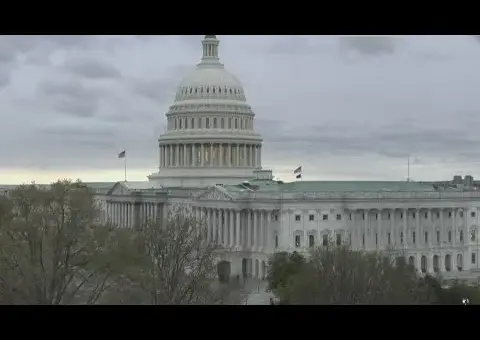
US Weighs Iran Troop Surge Amid Insider Trading Fears
The US Pentagon is reportedly considering sending 10,000 more troops to the Middle East amid rising tensions with Iran. This comes as lawmakers push to ban political figures from trading on prediction markets due to insider trading concerns.