Congress Divided: Reactions to Iran Military Action Emerge
Lawmakers on Capitol Hill are reacting to the U.S. military operation in Iran, with Democrats demanding greater congressional oversight and Republicans expressing cautious support. The decision raises questions about the potential for a prolonged conflict and the President's campaign promises.

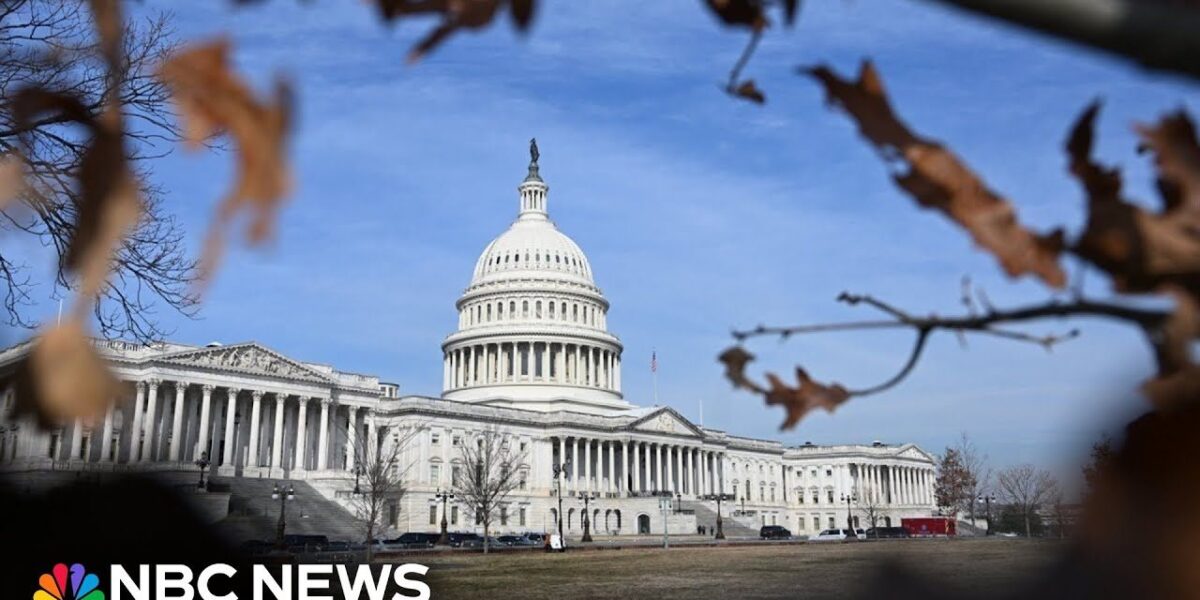
Capitol Hill Weighs In on Iran Military Operation
Washington D.C. – As the United States grapples with a significant military operation in Iran, lawmakers on both sides of Capitol Hill have begun to voice their reactions, with distinct concerns and calls for oversight shaping the initial response. The operation, launched with the stated hope of fostering regime change driven by the Iranian people, has ignited a complex debate in Washington regarding the scope, duration, and accountability of U.S. involvement.
Democrats Demand Congressional Oversight
Leading the charge for increased congressional scrutiny, Democrats have amplified their calls for robust oversight of the military action. Congressman Ro Khanna has emerged as a prominent voice, co-authoring bipartisan legislation that would mandate presidential approval from Congress for prolonged military engagements. He has urged Congress to reconvene immediately to vote on the authorization of any sustained military operation in Iran.
“The conversation is headed now here in Washington. What, if any, accountability, what, if any, oversight does there need to be of this military action. And of any future military action moving forward,” a source close to the discussions noted, highlighting the prevailing sentiment among Democrats.
Republicans Express Cautious Support
Conversely, allies of the President have offered a more supportive, albeit cautious, perspective. Senator Lindsey Graham described the operation as “well-planned” in a recent phone call. He indicated an expectation that the military engagement could extend for “days if not weeks,” suggesting a recognition of the potential scale and commitment required.
“It does give you a sense of the size and the scope of it,” a reporter remarked, relaying insights from conversations with key political figures.
President’s Stance and Campaign Promises
The President’s decision to authorize military action comes at a critical juncture, particularly given his campaign pledge to extricate the U.S. from foreign wars. Administration officials have been engaged in discussions throughout the week as the President weighed this “very heavy decision.” While the possibility of a prolonged military engagement has not been ruled out, even by the President himself, attempts have been made by the Vice President to downplay such concerns.
A key question that remains unanswered is the potential need for U.S. “boots on the ground,” a scenario the President has yet to definitively rule out. This uncertainty adds another layer to the legislative and public debate surrounding the operation.
Broader Implications and Future Outlook
The unfolding situation in Iran and the subsequent reactions in Washington underscore the delicate balance the U.S. must maintain in its foreign policy. The calls for congressional approval reflect a desire to prevent open-ended military commitments and ensure democratic accountability in matters of war and peace. The differing perspectives between the Democratic and Republican camps signal a potentially contentious debate ahead as Congress navigates its role in overseeing this critical foreign policy decision.
As events continue to develop, attention will be focused on how congressional leaders will respond to Congressman Khanna’s call for an immediate vote and whether the President will engage further with lawmakers to seek formal authorization for the ongoing military operation. The duration of the engagement and the ultimate outcome in Iran will undoubtedly shape future U.S. foreign policy and its relationship with the region.
Source: How both sides of Congress are reacting to the strikes in Iran (YouTube)

Related Articles

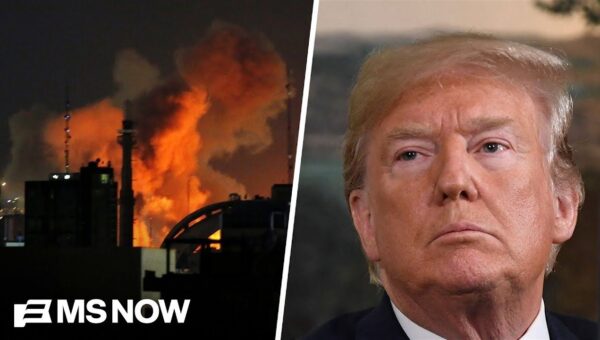
Congressman Swalwell Slams Trump’s Iran Strikes, Cites ‘No Plan’
Congressman Eric Swalwell has strongly condemned the recent U.S. military strikes in Iran, deeming them illegal and lacking a clear strategic plan. He joins Democrats in demanding a War Powers vote, asserting that the administration has failed to present evidence of provocation or a post-strike strategy. Swalwell criticizes the move as a distraction from domestic issues and a departure from campaign promises.
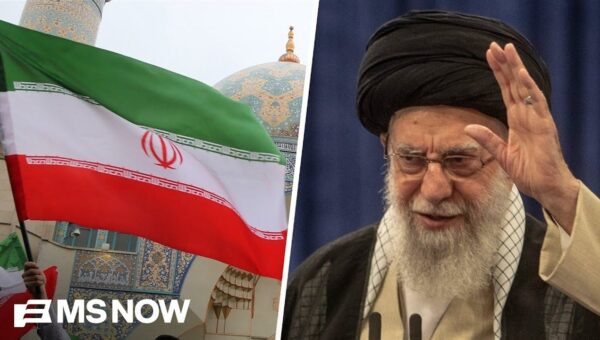
Iran Celebrates After Israeli Strikes Eliminate Top Leaders
Following Israeli airstrikes that reportedly killed Iran's Supreme Leader and top staff, celebrations have erupted among the Iranian diaspora. While a "monumental event," analysts caution against immediate expectations of a smooth democratic transition due to the IRGC's power and a divided opposition.

Dem Rep. Gomez: Trump Was Never Truthful About Peace
California Congressman Jimmy Gomez criticized the Trump administration's handling of intelligence regarding Iran, stating the President was "never truthful" about his intentions. Democrats plan to force a vote on a War Powers resolution, arguing the recent military actions lacked justification and congressional approval.