Congress Demands Clarity on President’s Mind
Congress is demanding a cognitive test for President Trump, citing the need for transparency on presidential mental fitness. This move reflects a growing public interest in the health of leaders and could set new precedents for evaluating those in high office.

Congress Demands Clarity on President’s Mind
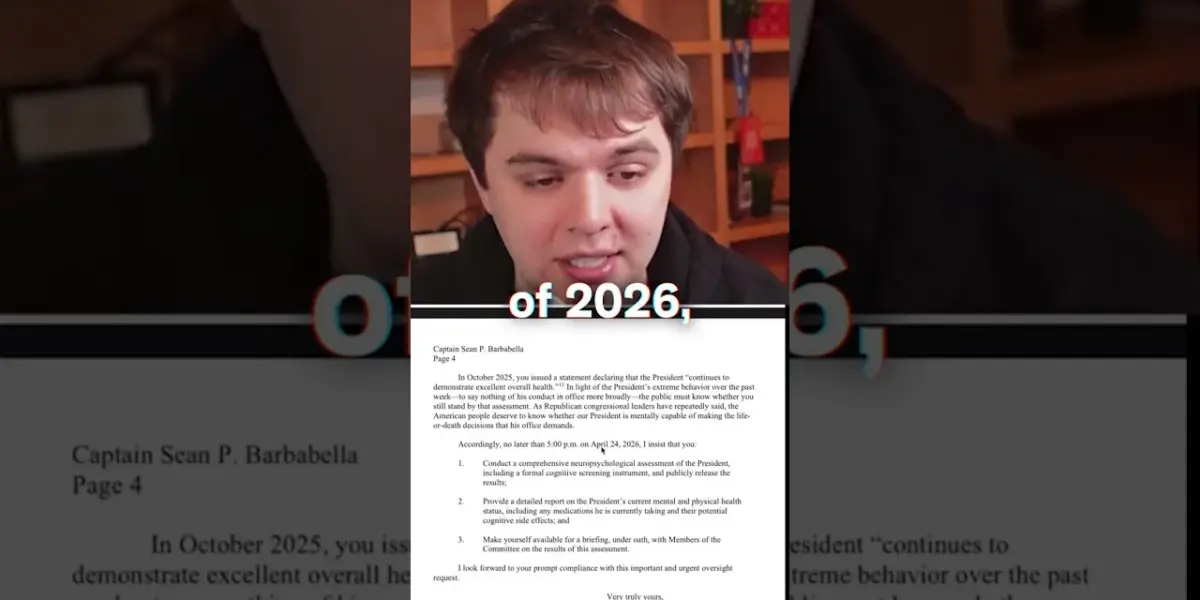
Members of Congress are officially asking for a cognitive test for President Trump. This request comes after experts have raised concerns about signs possibly related to dementia. The push is for the White House doctor to conduct a thorough evaluation.
Republican leaders have stated that Americans have a right to know if their president is mentally fit. The job requires making critical decisions, including those involving life and death. They want to ensure the president can handle these heavy responsibilities effectively.
Specific Demands for an Assessment
The request, set for April 24, 2026, asks for several key actions. First, it calls for a complete neuro-psychological assessment. This would include a formal cognitive screening tool to measure mental abilities. Second, it demands a detailed report on the president’s current mental and physical health. This report should also list any medications and their possible effects on thinking. Finally, the White House doctor would need to brief committee members under oath about the assessment results.
This is seen as an important oversight request. The goal is to increase transparency from the administration regarding the president’s health. Pressure is being applied to ensure these important questions are answered.
Why This Matters
The mental fitness of a president is a serious concern for any nation. The leader of the United States holds immense power and responsibility. Decisions made by the president can affect millions of lives, both domestically and globally. Therefore, questions about cognitive ability, especially as a president ages or shows certain signs, are not trivial.
This situation highlights a broader debate about how to assess and ensure the mental and physical health of public officials. It raises questions about accountability and the public’s right to information when it comes to the well-being of those in the highest office. The request for a public release of results underscores the desire for openness in these matters.
Historical Context and Precedents
Concerns about presidential health are not new. Throughout history, there have been instances where the health of a president became a public issue. Sometimes, these concerns were kept private, while other times, they were more visible.
For example, Franklin D. Roosevelt served during World War II while dealing with polio, a condition that significantly impacted his mobility. John F. Kennedy managed chronic health issues, including Addison’s disease and severe back pain. Ronald Reagan’s health, particularly later in his presidency and after, sparked discussions about cognitive function. These examples show that presidents have often served while managing health challenges, but the nature and visibility of these challenges differ.
The current focus on cognitive testing is more specific. It directly addresses the mental faculties needed for complex decision-making, which is a core part of the presidency. This marks a shift towards a more direct and public scrutiny of cognitive health.
Implications and Future Outlook
If such a cognitive assessment is conducted and its results are made public, it could set a new precedent. It might lead to more regular or standardized health evaluations for presidents. This could increase transparency and public trust, or it could potentially lead to increased political scrutiny based on health rather than policy.
The demand for a briefing under oath is particularly significant. It suggests a level of seriousness and a desire for accountability from Congress. It moves beyond a simple medical report to a more formal examination of the findings and their implications.
The trend towards greater transparency in political leaders’ health could continue. As medical science advances, so do the tools and methods for assessing health. This may lead to ongoing discussions about what information the public is entitled to and how such evaluations should be conducted. The outcome of this specific request will likely influence future debates on presidential fitness and accountability.
Source: Congress Demands Cognitive Test on Trump #politics #fyp #new (YouTube)

Related Articles


Trump’s Promises Shatter: War and High Gas Prices Emerge
Donald Trump's promises of 'America First' and avoiding foreign conflict appear to be at odds with current events. Rising gas prices and significant military spending in the Middle East raise questions about his commitment to his own pledges. The situation is further complicated by his criticism of former allies who point out these contradictions.

Trump’s Iran War Sparks Global Economic Crisis, Fuel Shortages
Donald Trump's war with Iran has triggered a global economic crisis, marked by surging inflation, gas price hikes, and potential jet fuel shortages. Iran's control over the vital Strait of Hormuz has become a key economic and geopolitical advantage, complicating U.S. objectives and impacting international stability.

Bolton: Trump’s Iran Threats Show Panic, Not Strategy
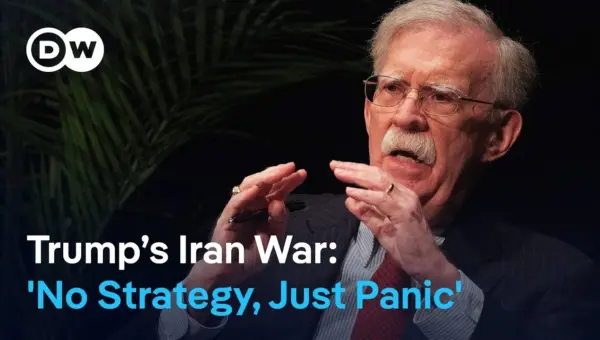
Former National Security Adviser John Bolton characterized Donald Trump's strong rhetoric towards Iran as a sign of panic driven by domestic political concerns. He believes Trump's decision-making lacks strategic depth, potentially creating international instability. Bolton also discussed the upcoming talks involving Vice President JD Vance and the ongoing risks of escalation.