Congress Debates Iran Military Action Amid Growing Oversight Calls
Congress is intensifying its debate over military actions involving Iran, with Democrats pushing for legislation requiring presidential approval for prolonged operations. While some Republicans signal support for extended engagement, a bipartisan push seeks to reassert congressional oversight and accountability in foreign policy decisions.

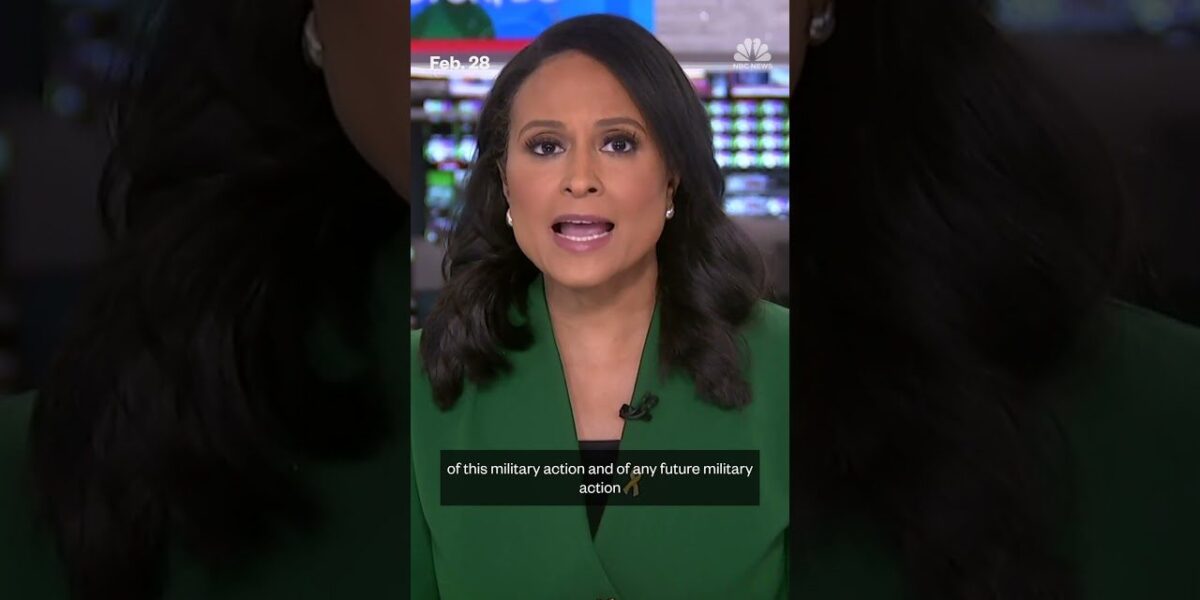
Congress Scrutinizes Iran Military Posture as Oversight Demands Mount
Washington D.C. – As tensions escalate following recent military actions involving Iran, a significant debate is unfolding on Capitol Hill regarding congressional oversight and the scope of presidential war-making powers. Democrats are increasingly vocal in their calls for greater accountability, with some proposing legislation that would require President Trump to seek congressional approval before engaging in prolonged military operations. This push for oversight comes amid statements from key Republican figures, including Senator Lindsey Graham, who has characterized recent actions as well-planned and indicated a readiness for extended engagement.
Bipartisan Push for Congressional Approval
A notable development in the congressional response is the bipartisan effort to curb unilateral presidential authority in matters of war. Congressman Ro Khanna has emerged as a leading voice in this movement, authoring legislation that aims to mandate presidential consultation with Congress. The proposed bill would require the President to obtain congressional approval for any military operation in Iran that is intended to be prolonged or sustained. This legislative initiative reflects a broader concern among lawmakers about the executive branch’s ability to commit U.S. forces to extended conflicts without explicit legislative consent.
“He has authored bipartisan legislation which would require President Trump to seek congressional approval calling on Congress to come back on Monday to vote on whether there can be a prolonged and sustained military operation in Iran.”
The impetus behind such legislation is the desire to reassert Congress’s constitutional role as the body responsible for declaring war and authorizing military force. Proponents argue that such measures are crucial for maintaining democratic accountability and preventing potentially costly and lengthy military engagements without broad public and legislative support. The call for Congress to reconvene, even on short notice, underscores the urgency felt by some lawmakers to address these critical issues promptly.
Debate Over Accountability and Future Actions
The core of the current debate in Washington centers on accountability and the framework for future military actions. Lawmakers are grappling with questions about what level of oversight is necessary for current and prospective military operations. The discussion involves not only the immediate response to the situation in Iran but also the establishment of precedents for how such decisions will be made moving forward. This includes examining the intelligence assessments that inform presidential decisions and the criteria for escalating or de-escalating military involvement.
President’s Allies Signal Support for Extended Operations
In contrast to the calls for stricter oversight, allies of the President have expressed a different perspective. Senator Lindsey Graham, a prominent Republican voice, has publicly supported the administration’s approach, describing the recent military operations as “well-planned.” In a private conversation, Graham reportedly indicated his willingness to support an operation that could extend for days, if not weeks, suggesting a strategic patience or a belief in the necessity of a prolonged engagement to achieve objectives.
“We are hearing from the president’s allies, Senator Lindsey Graham, uh, who is calling this a wellplanned operation and in a phone call that I had with him saying that he is prepared to for this to last for days if not weeks.”
This divergence in viewpoints highlights the partisan dynamics at play in foreign policy debates. While Democrats are pushing for enhanced congressional checks and balances, some Republicans appear more inclined to grant the executive branch greater latitude, particularly when they perceive the actions as strategically sound and aligned with national security interests. The differing stances underscore the complex balance between executive authority and legislative oversight in U.S. foreign policy.
Broader Implications for Executive Power
The current discussions in Congress have significant implications for the future balance of power between the executive and legislative branches regarding military interventions. Historically, there has been a trend toward increased executive discretion in foreign policy and military engagements, often justified by the need for swift action in a complex global environment. However, recent events and legislative proposals signal a potential reassertion of congressional authority.
The debate is not merely about the specific situation involving Iran; it touches upon the broader constitutional framework governing the use of military force. If legislation requiring congressional approval for sustained operations were to pass, it could fundamentally alter the dynamics of presidential decision-making in foreign conflicts. It would necessitate a more collaborative approach between the White House and Capitol Hill, potentially leading to more transparent and democratically legitimized military actions.
Looking Ahead: The Path Forward
The coming days and weeks will be crucial in determining the trajectory of this debate. The legislative efforts initiated by lawmakers like Congressman Khanna will likely face significant hurdles, requiring bipartisan support to overcome potential executive opposition. The administration’s response to these congressional overtures, along with further developments in the geopolitical landscape concerning Iran, will shape the immediate future of U.S. military policy. All eyes will be on Capitol Hill to see if Congress can successfully assert its oversight role and redefine the boundaries of presidential war powers in an era of heightened global tensions.
Source: How Congress is reacting to the strikes in Iran (YouTube)

Related Articles

Congressman Swalwell Slams Trump’s Iran Strikes, Cites ‘No Plan’
Congressman Eric Swalwell has strongly condemned the recent U.S. military strikes in Iran, deeming them illegal and lacking a clear strategic plan. He joins Democrats in demanding a War Powers vote, asserting that the administration has failed to present evidence of provocation or a post-strike strategy. Swalwell criticizes the move as a distraction from domestic issues and a departure from campaign promises.

Iran Celebrates After Israeli Strikes Eliminate Top Leaders
Following Israeli airstrikes that reportedly killed Iran's Supreme Leader and top staff, celebrations have erupted among the Iranian diaspora. While a "monumental event," analysts caution against immediate expectations of a smooth democratic transition due to the IRGC's power and a divided opposition.

Dem Rep. Gomez: Trump Was Never Truthful About Peace
California Congressman Jimmy Gomez criticized the Trump administration's handling of intelligence regarding Iran, stating the President was "never truthful" about his intentions. Democrats plan to force a vote on a War Powers resolution, arguing the recent military actions lacked justification and congressional approval.