Conflicting Messages Emerge on Iran Conflict Goals, Duration
The Trump administration is facing scrutiny over conflicting messages regarding the ongoing conflict with Iran. Varying timelines for the duration of operations and divergent stated objectives, from destroying missile capabilities to regime change, are creating confusion. The human cost is also rising, with six U.S. service members killed in action.

US Forces Strike Iran Amidst Conflicting Declarations
The United States military has launched significant operations against Iran, with the Pentagon announcing on March 2nd that additional forces are being deployed to the region. The conflict, which began with Iran launching hundreds of missiles and drones at U.S. allies hosting American military bases in Qatar, Kuwait, and Saudi Arabia, has seen escalating tensions. Further complicating the situation, Hezbollah has initiated rocket strikes against Israel from Lebanon, indicating a widening regional conflict. Amidst these developments, the Trump administration has presented a confusing and often contradictory narrative regarding the objectives, duration, and justification for the strikes.
Conflicting Timelines and Objectives Surface
President Donald Trump has offered a range of timelines for the conflict, telling Axios it could be ended in “two or three days,” while also stating to The Washington Post that the war would last “weeks, but maybe longer.” He further elaborated in an interview, suggesting the operation could extend “far LONGER THAN THAT,” projecting four to five weeks but emphasizing the capability to continue indefinitely. This inconsistency has raised concerns within the Pentagon and among some administration officials, as reported by The Washington Post, about the potential for the conflict to spiral out of control and strain limited U.S. air defense stockpiles.
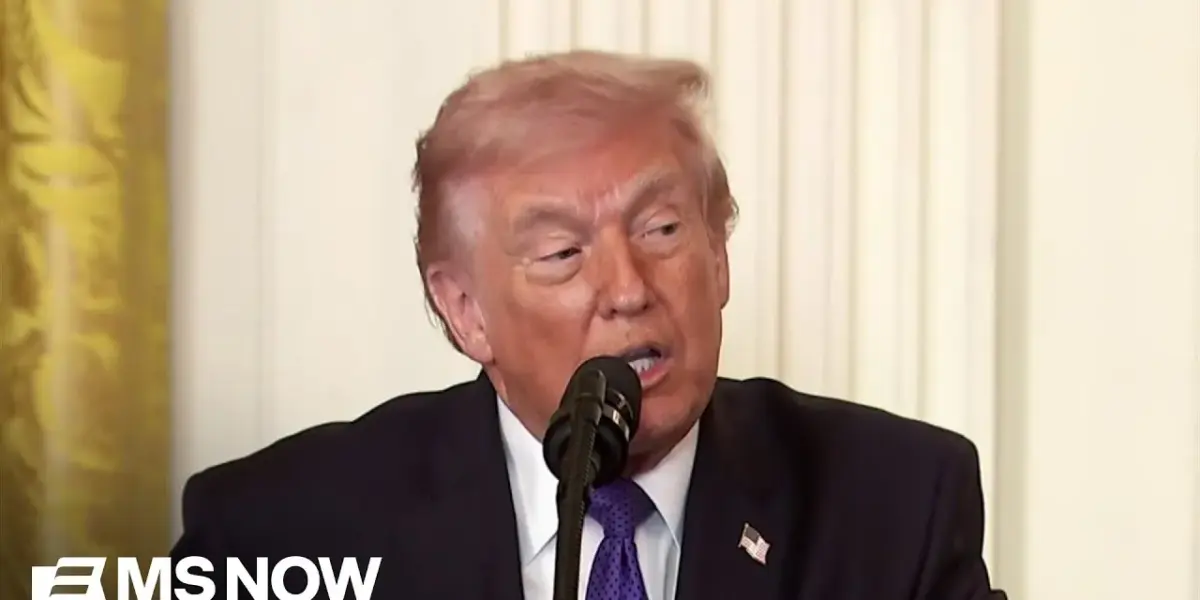
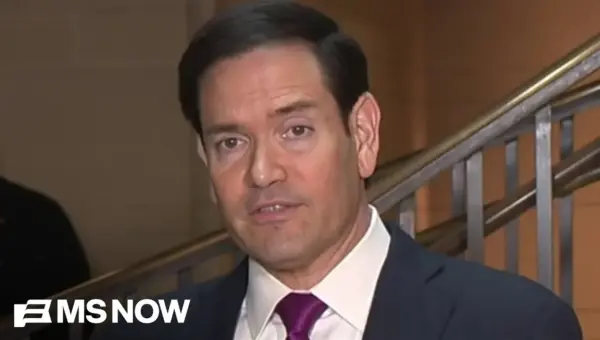
The stated rationales for the strikes have also varied significantly. At a Medal of Honor ceremony, President Trump alluded to the conflict and then discussed his plans for a ballroom, before offering varying timelines. Separately, he told The Washington Post that the goal of the war was “regime change” and “freedom for the people.” However, this assertion appears to contradict previous public platforms and the statements made by other administration officials. Just hours before, Secretary of State Marco Rubio stated on Capitol Hill that the mission’s objective was to “destroy Iran’s missile capabilities.” Furthermore, in comments to ABC’s John Carl, President Trump suggested that an Israeli strike had killed Iran’s supreme leader and, consequently, most of the potential successors, implying a different, more targeted outcome than outright regime change.
“The attack was so successful it knocked out most of the candidates. It’s not going to be anybody that we were thinking about because they are all dead second or third place is dead.”
– Donald Trump, on the impact of an Israeli strike on Iranian leadership candidates.
Concerns Over Justification and Intelligence
Compounding the confusion, multiple outlets, including CNN and Politico, report that Pentagon officials have presented differing accounts to members of Congress. Politico noted that during a briefing, administration officials “did not present clear evidence the Iranians were preparing an imminent attack on U.S. troops.” This lack of clear, consistent justification has led to anxiety among senior leaders and raised questions about the administration’s strategic clarity and public communication.
The human cost of the conflict is also becoming apparent. As of March 2nd, six United States service members have been killed in action. The recovery of the remains of two unaccounted-for service members from a facility struck during Iran’s initial attacks brings the total to six. The identities of the fallen are being withheld pending notification of next of kin. This sobering reality underscores the critical need for clear communication regarding the mission’s purpose and objectives.
Expert Analysis Highlights Strategic Ambiguity
Journalists and former officials have weighed in on the administration’s messaging. Michael Crowley of The New York Times described the communication as a “shotgun blast” of information, making it “really hard to make sense of.” He noted President Trump’s seemingly casual remarks about the possibility of “boots on the ground” as particularly unusual for such a consequential decision.
Lieutenant General Mark Hertling (Ret.), former Commanding General of the U.S. Army in Europe, emphasized the importance of informing the public and Congress about military actions. “When men and women, our nation’s sons and daughters, are put into harm’s way, people should understand why,” he stated. He also highlighted the lack of clarity on “what are we doing? Why are we doing it? How long is it going to go?”
Former Deputy Secretary of State Wendy Sherman, who led the U.S. negotiating team for the Iran nuclear deal, and Ben Rhodes, former Deputy National Security Advisor, also joined the discussion, underscoring the disconnect in the administration’s messaging. Rhodes pointed out the unusual nature of President Trump fielding calls from reporters and releasing information in piecemeal fashion, leading to a “haze of confusion.”
Looking Ahead: The Need for Clarity
As the conflict in the region continues to evolve, the primary challenge for the Trump administration remains articulating a clear, consistent, and publicly understood rationale for its actions. The disparate timelines, shifting objectives, and lack of definitive intelligence shared publicly have created an environment of uncertainty. The coming days will likely see continued scrutiny of the administration’s strategy, the effectiveness of the military operations, and the ultimate goals driving U.S. engagement with Iran. The American public and international allies await a coherent narrative that can provide a stable foundation for understanding and potentially resolving this escalating crisis.
Source: Donald Trump and Marco Rubio offer two different rationales for Iran strikes (YouTube)

Related Articles

US Strikes Iran to Neutralize Missile Threat, Official Says
U.S. Secretary of State Marco Rubio confirmed a proactive military operation against Iran, aimed at dismantling its ballistic missile capabilities. The strike was deemed necessary to prevent Iran from acquiring the power to threaten global security, with officials emphasizing a defensive posture to avert future escalation and casualties.
Trump’s Iran War Justification Called ‘Clear As Mud’ by Experts
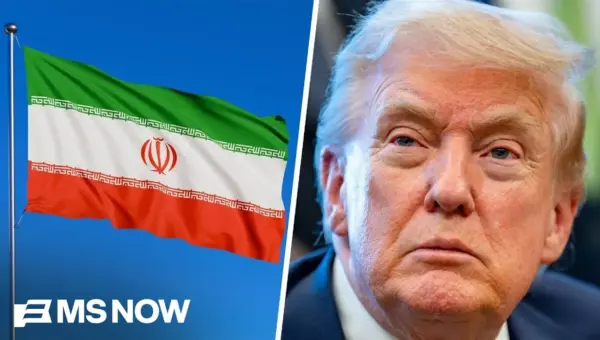
Experts are questioning the clarity of President Trump's justifications and goals for military action against Iran, with some describing the rationale as "clear as mud." The shifting objectives and potential for unintended consequences are raising concerns among national security analysts and the public.

Trump: A Pawn in Middle East Power Plays?
A report suggests Donald Trump's administration was pushed into military action against Iran by Israeli and Saudi leaders. This analysis questions the autonomy of U.S. foreign policy and its susceptibility to external influence, painting a grim picture of potential long-term consequences.