Communist Flags Fly: Are Protests Hijacked by Foreign Ideals?
Recent 'No Kings' protests have featured communist flags, sparking concerns about foreign influence. Interviewees questioned the motives behind the demonstrations and emphasized the importance of American allegiance.

Communist Flags Fly: Are Protests Hijacked by Foreign Ideals?
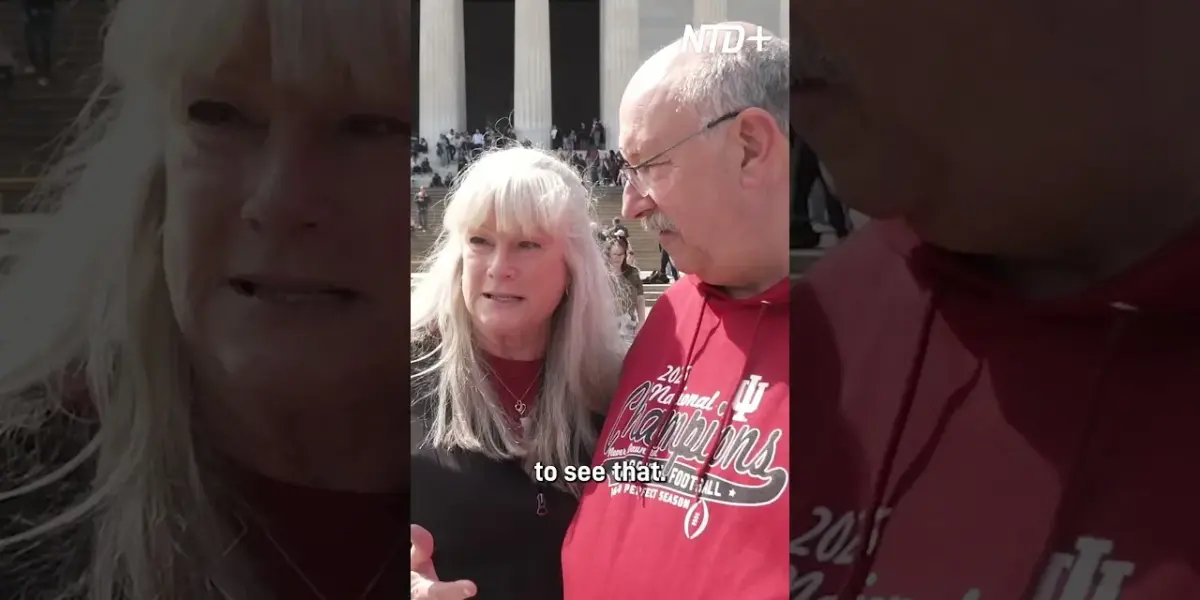
Across the United States, a recent wave of protests, dubbed the ‘No Kings’ rallies, has sparked strong reactions. While some see these gatherings as a simple expression of dissent, others point to a more troubling element: the visible presence of communist symbols and alleged ties to foreign influence. This raises important questions about the true nature of these movements and who might be pulling the strings.
A Nation Divided Over Dissent
The protests themselves seem to stem from a rejection of strong leadership, with some participants feeling that elected officials are overstepping their bounds. One person interviewed called the protests “pure silliness” and a “joke.” They felt the leader was simply “doing the job that has to be done” and that “somebody’s got to take some leadership.” This highlights a deep division in how people view authority and governance.
Others questioned the very premise of the protests. “Why are you protesting something that doesn’t exist?” one individual asked. They argued that there are no kings and that the elected leader was chosen by the people. The sentiment was that these gatherings were simply a way for those without jobs to connect and feel good about themselves, calling it “propaganda.”
The Specter of Foreign Influence
What truly caught the attention of many, however, was the appearance of communist flags and alleged links between protest organizers and the Chinese Communist Party. This connection has fueled concerns about the motivations behind the demonstrations. “We’re seeing a lot of people parading with a communist flag,” one person observed. They also noted organizations with ties to the Chinese Communist Party backing the movement.
This perceived foreign backing has led to calls for caution. “I think we should be concerned,” stated one interviewee. They emphasized that America is a place for “freedom and the values and the benefits of being an American.” The worry is that these foreign ideologies could “pollute” what makes the country special. The idea that allegiance should be with the country one lives in or profits from was a strong theme.
Following the Money and Allegiance
The question of who is funding these movements also came up. One common theory mentioned was the involvement of George Soros, a frequent target of conspiracy theories. Regardless of specific names, the underlying concern is about financial influence. “If you’re American and this is your home or you’re making money from this country, then your allegiance should be here,” was a clear sentiment expressed.
This idea of misplaced allegiance was echoed by another person who felt that foreign governments should not influence American affairs. They pointed to issues within their own city, like New York, where they felt there was already “a communist in there.” The core message was a desire to maintain national sovereignty and control over their own country, rules, and laws.
Why This Matters
The presence of foreign symbols and alleged foreign backing during domestic protests is a serious issue. It raises concerns about foreign interference in American politics and the potential for these movements to be used to advance agendas that are not in the best interest of the United States. It also highlights a growing distrust among some citizens about the origins and true goals of various social and political movements.
Historical Context and Future Outlook
Concerns about foreign influence in domestic affairs are not new in American history. Throughout the Cold War, there were constant fears about Soviet influence, and similar anxieties have surfaced in different forms over the decades. What is perhaps more notable now is the open display of symbols associated with ideologies that were once seen as direct adversaries.
The current political climate, marked by deep divisions and a rise in populist sentiment, may make some citizens more receptive to narratives about foreign manipulation. The ease with which information, and misinformation, can spread online also plays a significant role. Looking ahead, it will be crucial to closely examine the funding and organizational structures of protest movements.
Transparency will be key to understanding whether these are genuine grassroots expressions of discontent or orchestrated efforts influenced by external powers. The public’s ability to discern the difference will shape the future of political discourse and civic engagement in the United States.
Source: US Citizens React to Visible Communist Influence at ‘No Kings’ Rallies (YouTube)

Related Articles
GOP Lawmaker Demands ‘Aggressive’ AG Replacement
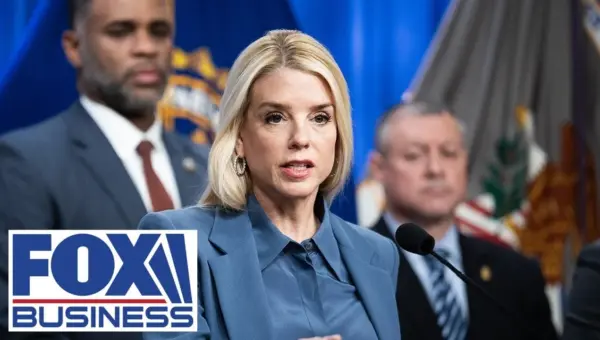
GOP lawmakers are divided over border security funding as one representative calls for a more "aggressive" Attorney General. The debate over funding and the upcoming replacement for AG Pam Bondi highlight internal party struggles. Meanwhile, concerns about birthright citizenship and FEMA's low disaster fund add to the political landscape.

Trump Fires AG Bondi Amidst Barrage of Personnel Changes
Donald Trump has fired Attorney General Pam Bondi, her tenure marked by controversy and a short duration. This move continues a pattern of high turnover in key positions within the Trump administration, raising concerns about legal integrity and future appointments.
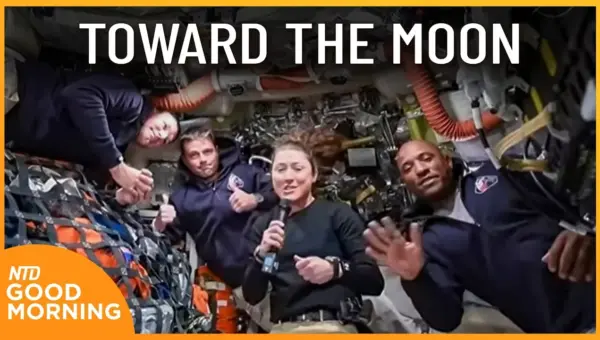
Humans Return to Moon Orbit After 52 Years
Humans are heading back to the moon for the first time in over 50 years with the Artemis II mission. The four-astronaut crew will orbit the moon, marking a historic return to deep space exploration. Meanwhile, political developments include President Trump's warnings of further strikes against Iran and a leadership change at the Justice Department.