Colbert’s Script Lawyers: A Broadcast TV Glitch?
Stephen Colbert's admission of lawyers vetting every script, including backstage consultations, highlights the stringent legal oversight in broadcast television. This practice raises questions about creative freedom compared to less regulated digital platforms.

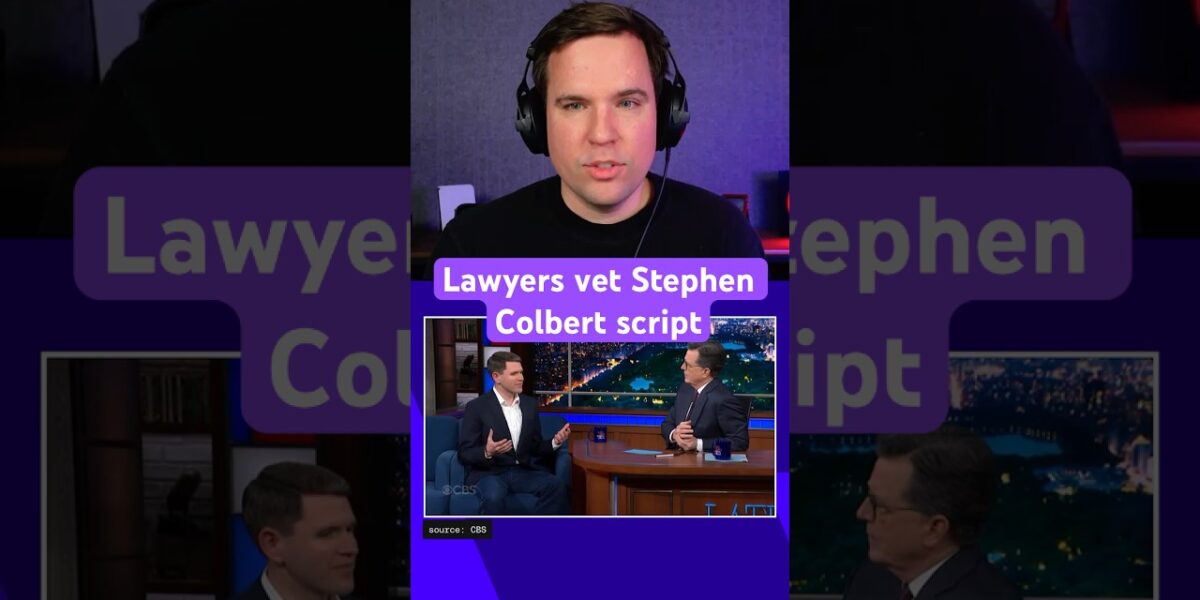
Stephen Colbert’s Lawyers: A Necessary Evil or Broadcast Overkill?
In a surprising revelation from Stephen Colbert himself, it appears that every single script for his hit late-night show, ‘The Late Show with Stephen Colbert,’ undergoes rigorous vetting by lawyers. This isn’t just a casual once-over; Colbert alluded to a situation where he had to retreat backstage during a commercial break to consult with legal counsel, a scenario he described as unprecedented and deeply concerning. This practice, while standard for broadcast television, has sparked discussion about the pressures and limitations faced by creators in mainstream media.
The Unseen Hand of Legal Counsel
The Vergecast, a podcast often delving into the intricacies of media and technology, highlighted Colbert’s comments, drawing parallels to more authoritarian regimes. The implication is that the constant presence of legal oversight, even to the point of backstage consultations between segments, suggests a level of control that might stifle creative freedom. “Lawyers standing backstage waiting for the commercial break is >> that’s bad,” one commentator noted, with another adding, “Lawyers saying no, right? Like that’s that’s all.” The comparison to “Soviet stuff, right? The government minder is standing backstage to tell the talk show host what the government would like them to say” underscores the gravity of the concern.
Broadcast Television’s Legal Tightrope
While the comparison to Soviet-era censorship might be hyperbolic, the underlying principle holds weight. Broadcast television, unlike many digital platforms, operates under strict regulations and faces significant legal liabilities. Defamation, copyright infringement, and obscenity are just a few of the pitfalls that can lead to hefty fines and irreparable damage to a show’s reputation. Therefore, a legal team meticulously reviewing scripts is not merely a suggestion but a fundamental necessity for networks and production companies.
Colbert’s specific mention of having to consult lawyers between his monologue and an explanation regarding a canceled interview with a politician (implied to be related to the ‘Terico’ interview) is particularly telling. This suggests that even seemingly innocuous segments can trigger legal concerns, forcing a real-time intervention. For a host known for his sharp wit and political commentary, these moments of legal interruption can disrupt the natural flow and comedic timing that define his show.
The Digital Divide: A Freer Frontier?
This situation starkly contrasts with the landscape of online content creation. YouTubers, podcasters, and other digital creators often operate with far less direct legal oversight. While they are not immune to legal challenges, the speed and scale of review are typically different. A viral video might face a copyright claim or a defamation suit after the fact, but the pre-publication vetting process is rarely as intensive as that required for broadcast television. This allows for a more immediate, raw, and often riskier form of expression.
The incident raises questions about the future of comedy and political commentary. As media consumption shifts increasingly online, will established broadcast models adapt, or will digital platforms continue to offer a more liberated space for creators? The very definition of ‘censorship’ in the digital age is complex, often involving algorithmic filtering or platform moderation rather than direct legal intervention.
Who Should Care?
This discussion is relevant to several groups:
- Late-night comedy fans: Understanding the forces that shape their favorite shows can offer a new perspective on the content they consume.
- Aspiring comedians and writers: The insights into broadcast TV’s legal hurdles are crucial for anyone looking to break into the industry.
- Media scholars and critics: The incident provides a case study in the ongoing tension between creative expression and corporate/legal responsibility in traditional media.
- Anyone interested in free speech: The debate touches upon the boundaries of expression in regulated versus unregulated media environments.
The Verdict: A Necessary Compromise
While the image of lawyers hovering backstage might seem dystopian, it’s a reflection of the high stakes involved in broadcast television. Stephen Colbert, a master of his craft, likely navigates these constraints with skill, delivering sharp commentary within the established boundaries. The incident, however, serves as a potent reminder that even the most successful and seemingly unfettered voices in mainstream media are operating within a carefully constructed framework. The challenge for creators and networks alike is to find the delicate balance between legal compliance and authentic, engaging content.
Source: Lawyers vet Stephen Colbert script #Vergecast (YouTube)

Related Articles
FCC Memo Could Censor Political Interviews on TV
A leaked FCC memo suggests the Trump administration's FCC is considering new rules that could allow it to approve or deny interviews with political candidates on broadcast television, sparking fears of censorship. The proposal, which follows the controversial pulling of a Stephen Colbert interview, could grant the FCC the power to determine which political voices are heard.
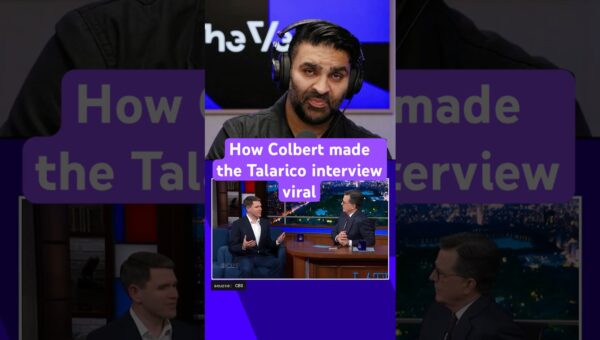
Colbert’s Talarico Interview Goes Viral: The Streisand Effect in Action
Stephen Colbert's interview with James Talarico unexpectedly went viral due to the network's decision to initially withhold the footage. This incident perfectly demonstrates the power of the Streisand Effect in the digital age.
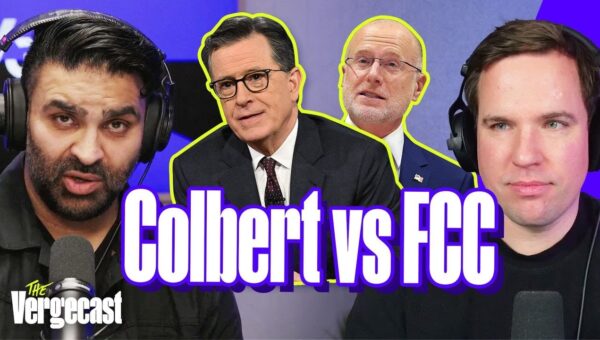
Colbert’s Interview Ban Highlights FCC ‘Chilling Effect’
Stephen Colbert's decision to move a candidate interview to YouTube due to FCC 'equal time' rule concerns highlights the 'chilling effect' on broadcast speech. The incident sparks debate on regulatory overreach and the media's role in public discourse.