Cognitive Decline Allegations Plague Trump’s Public Image
Allegations of cognitive and physical decline surrounding Donald Trump are intensifying, fueled by recent public statements and scrutinized by critics, family members, and former officials. The debate raises significant questions about his fitness for office and the future of the Republican party.


Concerns Mount Over Trump’s Public Appearances and Rhetoric
Recent public appearances by former President Donald Trump have sparked intense discussion and scrutiny regarding his cognitive and physical capabilities. Critics point to instances in his speeches and press conferences as evidence of a significant decline, while supporters largely dismiss these observations or attribute them to external factors.
Analysis of Recent Statements and Behaviors
Several specific moments from recent events have been highlighted as particularly concerning by those questioning Trump’s current state. These include:
- References to deceased soldiers as if they were still alive and walking, with descriptions of them having “no legs.”
- A remark directed at a six-year-old girl, stating she was “of age,” which was perceived as an odd and inappropriate comment in the context of a political speech.
- Struggles with enunciating certain words, such as “mutilization,” which was reportedly slurred and difficult for him to pronounce.
- Repeated assertions that “no other president can do the that I do,” presented as unique accomplishments beyond the reach of any predecessor.
- The framing of imaginary conversations where he claims people exclusively approach him with urgent requests to “Save America,” dismissing concerns like housing or healthcare.
- A shift in his stated objectives regarding foreign policy, specifically concerning Iran, where he suggested the conflict was about “helping China” and that the Iranian people were “menacing.”
Defenses and Counterarguments
In response to these observations, allies and surrogates have offered counter-narratives. Speaker Mike Johnson, for instance, described Trump as “the most active, the most strong president that’s ever existed,” attributing his vigor to a lack of sleep. This defense suggests that Trump’s intensity and unique speaking style are indicators of his strength, not his decline. Supporters often argue that such criticisms are politically motivated attacks aimed at undermining his standing, and that the media is selectively highlighting moments to create a false impression.
Expert Opinions and Family Concerns
The debate has also drawn in individuals with personal or professional insights into Trump’s health. Retired military leaders, such as Major General Paul Eaton, have publicly stated their belief that Trump is exhibiting signs of dementia. Furthermore, members of Trump’s own family have voiced concerns. His niece, Mary Trump, has described him as “grotesque,” “weak,” and “deficient,” suggesting a significant decline. His nephew, Fred Trump, has also expressed concerns about potential dementia, citing family history, including his father and aunt, as a reason for worry.
Historical Context and Familial Predispositions
The discussion about Trump’s health is not entirely new. Throughout his public life, there have been intermittent questions about his stamina and mental acuity. The mention of his father’s serious Alzheimer’s and his aunt Maryanne’s condition adds a layer of familial history that some believe is relevant to understanding potential health trajectories. The historical context of political figures facing scrutiny over their health, particularly as they age, is a recurring theme in public discourse.
Media Coverage and Public Perception
Even mainstream media outlets have begun to reflect these concerns. An article in The New York Times, as referenced in the transcript, speculated that an MRI might have influenced Republican decisions on certain votes, suggesting that Trump’s health is becoming a factor in political calculations. Reports of accidental social media posts, such as boosting a call for his own impeachment, are cited as further evidence of potential cognitive lapses or an inability to distinguish allies from adversaries.
The “Save America Act” Narrative
One recurring theme in Trump’s recent rhetoric, as presented, is the alleged overwhelming public demand for the “Save America Act.” He claims that his interactions with the public are dominated by people urging him to pass this legislation, to the exclusion of other issues like the economy or healthcare. This narrative is presented as a testament to his connection with the populace and a key driver for electoral success, particularly in mid-term elections.
Foreign Policy Statements on Iran
Trump’s commentary on the situation in Iran has also drawn attention. His assertion that U.S. involvement is primarily about “helping China” and his characterization of the Iranian people as “menacing” have been interpreted by critics as inconsistent, potentially misinformed, or indicative of a confused geopolitical understanding. His previous rationale for actions related to Iran, based on advice from advisors like Steve Bannon, Jared Kushner, and Peter Navarro, has also been presented as a shifting and potentially unreliable basis for policy decisions.
The “Hottest Country” Claim
In contrast to the concerns about his well-being, Trump has also made statements about the country being “hot as it’s ever been, ever before. Maybe hotter.” This declaration, juxtaposed with the criticisms, presents a dichotomy between his self-perception of national strength and the alleged evidence of personal frailty.
Why This Matters
The ongoing debate surrounding Donald Trump’s cognitive and physical health is of profound significance for several reasons. Firstly, as a leading figure in American politics and a potential future presidential candidate, his fitness for office is a matter of national security and public trust. Any perceived or actual decline in his faculties could have serious implications for his decision-making capacity and leadership effectiveness.
Implications for the Republican Party
The Republican Party’s relationship with Trump is central to its current identity and future trajectory. If concerns about his health are widely accepted, it could force a reckoning within the party about its leadership and its commitment to a candidate whose capabilities are in question. Conversely, continued staunch support, even in the face of apparent decline, highlights a deep loyalty that transcends traditional political considerations.
Broader Trends in Political Discourse
This situation also reflects a broader trend in political discourse where personal characteristics, including health, are increasingly scrutinized and weaponized. The ease with which accusations of cognitive decline can be made and amplified through social media and partisan news outlets raises questions about the nature of political debate in the digital age. It also underscores the challenge of discerning objective truth from politically motivated narratives.
Future Outlook
The future outlook for Donald Trump’s public image and political influence will likely depend on how these health concerns are perceived by the broader electorate. His ability to continue commanding attention and mobilizing support, despite these criticisms, suggests a resilience that is difficult to quantify. However, as elections draw nearer, the question of his fitness will undoubtedly become a more prominent and perhaps decisive issue for voters.
Conclusion
The allegations of cognitive and physical decline surrounding Donald Trump are serious and have been amplified by specific public statements and the observations of various individuals, including family members and former military officials. While supporters maintain his strength and dismiss these claims as politically motivated, the persistent nature of these concerns, coupled with specific examples, fuels an ongoing debate about his suitability for public office. The transcript presents these criticisms as compelling evidence, emphasizing the need for the public to consider the presented “receipts” when forming their own opinions, while acknowledging that these are opinions rather than medical diagnoses.
Source: Trump’s HEALTH COLLAPSES as he BRACES FOR SURRENDER!! (YouTube)

Related Articles


GOP’s Crumbling Foundation: Party Switcher Signals Deeper Divide
Representative Kevin Mullin's switch to independent status signals deeper GOP fractures. Internal criticism from MAGA figures and public dissatisfaction with economic and foreign policy issues highlight a party struggling with its direction and leadership, potentially facing a crisis of confidence.

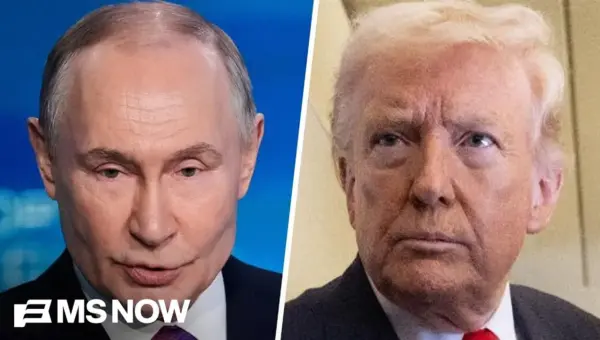
Senator Coons Slams Trump’s Iran War Strategy, Consults Putin More Than Congress
Senator Chris Coons has sharply criticized President Trump's handling of the Iran conflict, citing a lack of planning and alarming consultation patterns with Russia. Coons demands transparency on war costs and strategy before approving further funding.


Thune Rejects Trump’s Filibuster Demand for Voting Bill
Senate Majority Leader John Thune has rejected former President Trump's demand to eliminate the filibuster for the "Save America Act." Thune cited risks and political complexities, prioritizing institutional preservation and caucus protection over Trump's push for voting law changes. The segment also introduced Politico's new series, "On the Road with Jonathan Martin," featuring discussions on 2028 Republican contenders.