Clubhouse’s Meteoric Rise and Swift Fall
Clubhouse exploded onto the scene in 2020, offering a unique audio-only social experience that captivated millions. This article revisits the app's meteoric rise, its challenges with scaling and competition, and its lasting impact on social media.

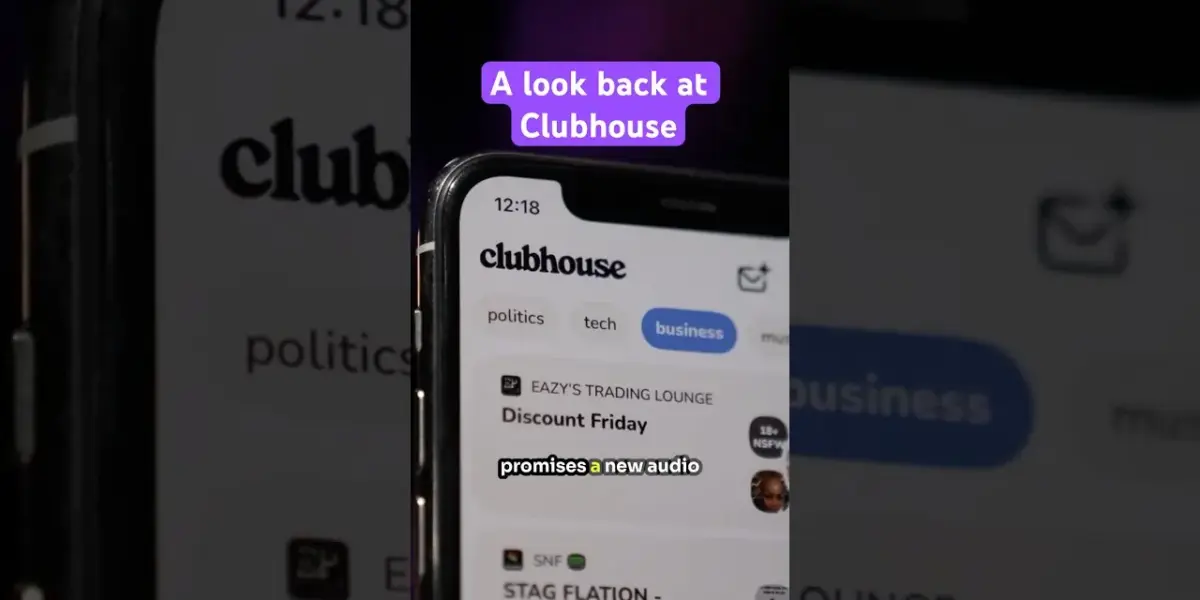
Clubhouse: The App That Took the World by Storm (and Then Vanished)
Remember mid-2020? The world was in lockdown, sourdough starters were bubbling, and a new social media app emerged, promising a revolutionary audio-only experience. This was Clubhouse, and it captured the imagination of millions, sparking a frenzy of invitations and exclusive rooms. But as quickly as it rose, Clubhouse seemed to fade. In this exploration, we delve into the brief, wild, and ultimately cautionary tale of the audio-only social network that once defined a moment.
The Genesis of an Audio Revolution
The year was 2020. With physical social interactions severely limited, the digital world became our primary means of connection. Amidst the sea of video calls and endless scrolling, Clubhouse offered a fresh, intimate approach: audio. The concept was simple yet compelling – live, drop-in audio conversations. Users could host or join rooms, engaging in discussions on virtually any topic, from tech and business to comedy and current events. It felt like stepping into a virtual cocktail party or a live podcast, but with the spontaneity of real-time interaction.
The Invite-Only Hype Machine
What fueled Clubhouse’s meteoric rise was its exclusivity. Initially launched in April 2020 for iOS, it operated on an invite-only system. This scarcity principle, combined with early adoption by high-profile figures like Elon Musk and Mark Zuckerberg, created an intense demand. Being part of Clubhouse felt like being in an exclusive club, a status symbol in the digital age. The app’s interface was minimalist, focusing entirely on the audio experience. Users could see who was speaking, who was moderating, and who was in the audience, fostering a sense of shared presence without the visual pressures of other platforms.
A Platform for Ideas and Connections
Clubhouse quickly became a hub for thought leaders, entrepreneurs, artists, and celebrities. It offered a unique space for unscripted conversations, Q&A sessions, and networking. Users could learn from industry experts, discover new perspectives, and connect with like-minded individuals from around the globe. The platform’s ephemeral nature – conversations disappeared after they ended – added to its allure, encouraging more candid and in-the-moment discussions. It was a refreshing departure from the curated perfection often seen on other social media.
The Inevitable Expansion and the Challenges
As Clubhouse’s popularity surged, the pressure to scale and open up the platform grew. In July 2021, the app officially launched on Android and removed its invite-only requirement, opening the floodgates to millions of new users. While this expansion was a logical step for growth, it also marked a turning point. The exclusivity that once defined its allure vanished, and the intimate, curated feel began to dilute.
With the broader accessibility came new challenges. The infrastructure struggled to keep up with the influx of users, leading to occasional glitches and performance issues. More significantly, the sheer volume of content and the loss of the ‘specialness’ meant that maintaining engagement became harder. Competitors, noticing the trend, began to integrate similar audio features into their existing platforms. Twitter launched Spaces, Facebook experimented with its own audio features, and Spotify acquired Locker Room (later rebranded as Spotify Live), intensifying the competition in the nascent audio social space.
The Decline: What Went Wrong?
Several factors contributed to Clubhouse’s decline. Firstly, the novelty wore off. As the world began to reopen post-pandemic lockdowns, the need for purely digital social spaces diminished. People had more opportunities for in-person interaction, and the appeal of audio-only conversations lessened for some.
Secondly, the competition became fierce. Established social media giants with massive user bases could easily replicate or integrate similar features, offering users a familiar environment for audio discussions. Twitter Spaces, in particular, became a significant rival, leveraging Twitter’s existing network effects.
Thirdly, monetization and long-term strategy remained somewhat unclear. While Clubhouse offered a unique experience, a sustainable business model that incentivized creators and ensured platform longevity wasn’t fully realized or communicated effectively to the user base. The initial hype couldn’t sustain long-term user retention without a clear value proposition beyond the initial buzz.
Lessons Learned: The Legacy of Clubhouse
Clubhouse’s story is a powerful reminder of the ephemeral nature of internet trends and the challenges of scaling a startup. It demonstrated the potential of audio as a social medium and influenced the development of audio features across the social media landscape. While it may not have maintained its initial explosive growth, the impact of Clubhouse on social media’s evolution is undeniable. It proved that there was an appetite for spontaneous, conversational online spaces, a lesson that platforms are still learning from.
For those who experienced its peak, Clubhouse remains a fascinating case study in viral growth, market timing, and the delicate balance between exclusivity and accessibility. It was a moment in time, a digital experiment that captured the zeitgeist of a unique period in history, leaving behind a legacy of innovation in the social audio space.
Specs & Key Features (Clubhouse – Peak Era)
- Platform: Mobile (iOS, Android)
- Core Feature: Live, drop-in audio conversations
- Room Types: Open, Social, Closed
- Interaction: Listen, Raise Hand, Speak, Moderate
- Content: User-generated live audio discussions
- Monetization (later introduced): Tipping, Subscriptions, Ticketed Events
- Key Differentiator: Audio-only, real-time, spontaneous conversations
Who Should Care?
Clubhouse’s story is essential for anyone interested in the history of social media, the dynamics of viral growth, and the future of digital communication. Entrepreneurs can learn from its rapid ascent and abrupt fall regarding market timing and competitive strategy. Tech enthusiasts can appreciate its innovative approach to social networking and its influence on subsequent platform developments. For those who were active users, it’s a nostalgic look back at a unique cultural moment.
Availability and Pricing
Clubhouse was free to download and use. Initially available only on iOS by invitation, it later expanded to Android and removed its invite-only system in July 2021. While its user base has significantly declined from its peak, the app remains available on app stores.
Source: Remember Clubhouse? Subscribe to @VersionHistoryPodcast for more (YouTube)

Related Articles

Social Media Giants Face Lawsuits Over Addictive Designs
Tech giants Meta and Google are facing significant legal challenges as juries find them liable for the addictive design of their platforms and the harm caused to young users. Recent verdicts in California and New Mexico have ordered the companies to pay millions in damages, highlighting concerns over mental health impacts and child exploitation.

Meta, YouTube Lose Landmark Cases Over Teen Harm
Meta and YouTube have been found liable in landmark cases alleging their platforms contribute to harm among teenage users. Juries saw through company denials after prosecutors presented damning internal documents showing awareness of negative impacts. This ruling could lead to significant changes in how social media companies are held accountable.


Meta Faces Legal Reckoning: Social Media’s Future in Question
Meta and YouTube have faced significant legal setbacks this week with court rulings finding them liable for social media's harm to young users. These "bellwether" cases could fundamentally alter how tech platforms are regulated and designed going forward, signaling a new era of accountability for the social media industry.