Clinton’s Deposition Exposes Trump’s Epstein Ties
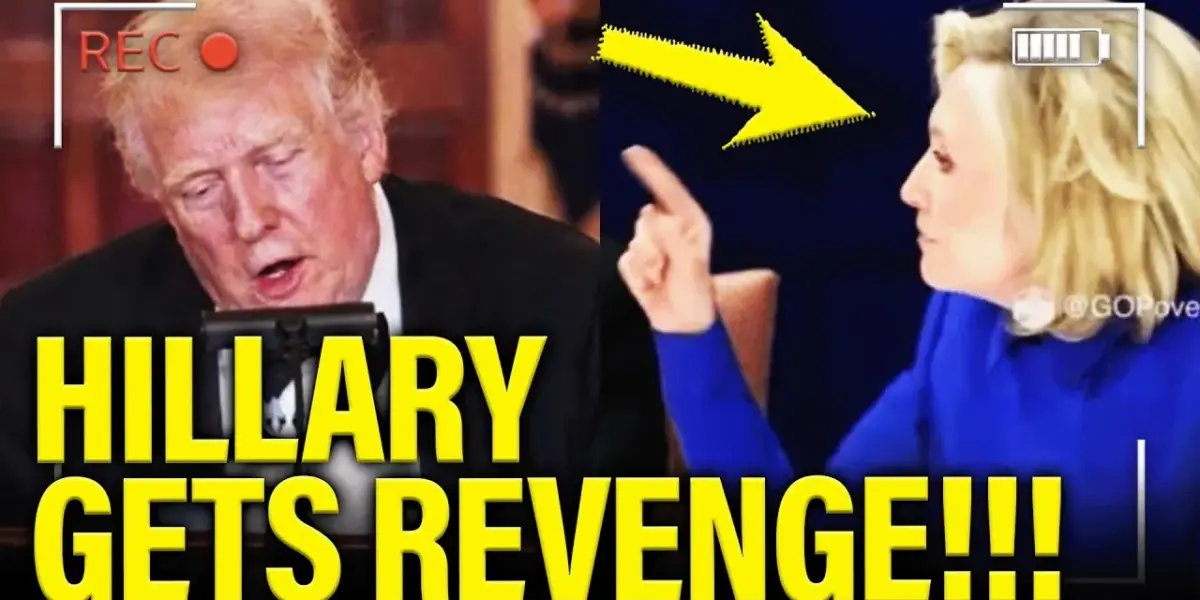
Hillary Clinton's video deposition has ignited controversy, with her legal analysis suggesting Donald Trump fits the pattern of someone needing investigation. She also accused Republicans of a cover-up related to the Epstein files, turning the tables on her interrogators and highlighting Trump's past associations with Epstein.

Clinton’s Deposition Exposes Trump’s Epstein Ties
Hillary Clinton’s recent video deposition has become a focal point, with supporters claiming it represents a decisive takedown of Donald Trump. The deposition, initially sought by MAGA Republicans, has instead, according to proponents, revealed why its release was feared. At the heart of the matter is Clinton’s assertion that Donald Trump fits the “pattern and practice of someone who needs to be investigated,” citing his civil liability for sexual assault and criminal liability for business records fraud.
A Lawyer’s Perspective on Pattern and Practice
During her deposition, when asked if Donald Trump should be deposed, Clinton, drawing on her legal background, stated, “As a lawyer, you look for patterns and practices.” She argued that Trump’s documented legal issues, including being found liable for sexual assault by a jury and convicted on 34 felony counts related to business fraud and campaign interference, align with such a pattern. “If I were running the committee or I were involved in this investigation, I would be looking for people who maybe had some prior conduct that might be relevant to either money or crimes,” she remarked, placing Trump on her witness list despite his history of invoking the Fifth Amendment.
Turning the Tables: Accusations of a Cover-Up
Clinton also sharply criticized the handling of the investigation itself, particularly the lack of public hearings and media access. She accused the committee of “hiding things” and engaging in a “cover-up,” especially concerning the Epstein files. “You have held zero public hearings, refused to allow the media to attend them… you have made little effort to call the people who show up most prominently in the Epstein files,” Clinton stated, noting that not a single Republican member attended the deposition of Les Wexner. She characterized this as an “institutional failure designed to protect one political party and one public official rather than to seek truth and justice.”
Challenging Competency and Allegations
The former Secretary of State questioned the competency of the investigative team, referencing the FBI director’s perceived lack of focus. She also brought up Marjorie Taylor Greene’s past statements suggesting Trump pressured officials not to release files, implying internal divisions and potential obstruction within the MAGA movement. Furthermore, Clinton highlighted the lack of Republican engagement with Alex Acosta, Trump’s former Labor Secretary and the prosecutor who negotiated Epstein’s initial plea deal, suggesting a deliberate avoidance of uncomfortable truths.
Confronting Conspiracy Theories and Misinformation
The deposition also saw Clinton directly confront accusations related to the “Pizzagate” conspiracy theory. When questioned about her familiarity with Epstein files potentially referencing the 2016 claims about Comet Ping Pong, she firmly dismissed Pizzagate as a “baseless conspiracy theory” that led to dangerous real-world consequences, including an armed man firing a rifle at the pizzeria. She expressed regret that such theories gain traction and stated she had taken no steps to review content that might connect to them, deeming the premise “totally bogus.”
The Epstein Connection: A Lingering Question
A significant portion of the questioning revolved around the nature of Jeffrey Epstein’s interactions with public figures. While Clinton maintained she never met Epstein and was unaware of his crimes until they became public, the deposition transcript revealed Epstein’s private comments, such as calling Clinton “much prettier in person” and noting that meetings with her were “not easily discreet.” This exchange, along with questions about Anthony Weiner’s laptop and potential intelligence operations, fueled speculation and highlighted the persistent scrutiny surrounding figures connected, however tenuously, to Epstein.
Bill Clinton’s Testimony on Trump and Epstein
Adding another layer to the narrative, the deposition of Bill Clinton also came under scrutiny. When asked if Donald Trump had ever spoken to him about Epstein, Bill Clinton confirmed that Trump had indeed mentioned their past friendship, stating they “got along great” and had a falling out over a real estate deal. This testimony directly contrasts with Trump’s public statements and suggests a closer, more personal relationship between Trump and Epstein than has often been acknowledged. Bill Clinton also emphasized his own limited acquaintance with Epstein, which ended years before his crimes were known, and his commitment to supporting survivors.
Why This Matters
The release of Hillary Clinton’s deposition, irrespective of one’s political stance, offers a rare glimpse into the legal and political maneuvering surrounding high-profile investigations. It underscores the challenges of transparency, the weaponization of legal processes for political ends, and the enduring impact of figures like Jeffrey Epstein. Clinton’s strategic use of legal arguments and her direct accusations of a cover-up highlight a deliberate attempt to reframe the narrative and place scrutiny on her accusers. The deposition also brings renewed attention to Donald Trump’s past associations and the questions that continue to surround them, particularly in light of Bill Clinton’s testimony. The proceedings reveal a complex interplay of legal strategy, political theater, and the persistent public demand for accountability.
Implications, Trends, and Future Outlook
This event exemplifies a broader trend of political figures using legal depositions and public testimonies as platforms for counter-offensives and narrative control. The intense focus on Epstein and his associates continues to be a source of political intrigue, suggesting that these connections will remain relevant in future political discourse and investigations. The contrasting approaches to questioning and the pointed exchanges between Clinton and various Republican representatives illustrate the deep partisan divides in how such matters are approached. The future outlook suggests continued legal scrutiny for those linked to Epstein and a persistent political battle over the interpretation and release of information, with transparency and accountability remaining central, albeit contested, themes.
Historical Context and Background
The deposition takes place against the backdrop of ongoing investigations into Jeffrey Epstein’s sex trafficking network and the subsequent release of related documents. Epstein’s 2008 plea deal, brokered by Alex Acosta, and his subsequent arrest and death in 2019, have spurred numerous inquiries and public demands for information. The political climate, marked by intense polarization, has turned these investigations into highly politicized events, with different factions seeking to leverage the information for their own gain. Hillary Clinton’s own history, including her tenure as Secretary of State and her past political campaigns, has made her a frequent target of conspiracy theories and political attacks, which she appears to be directly addressing and deflecting in this deposition.
Source: Hillary Clinton GETS REVENGE on Trump with PERFECT ANSWERS!!! (YouTube)

Related Articles

2026 Primaries: Trump’s Iran Stance Dominates Early Debates
MSNBC's Ali Velshi and Stephanie Ruhle dissected the emerging 2026 primary election landscape, emphasizing how Donald Trump's foreign policy on Iran is already a central debate point. The discussion also highlighted the critical role of economic issues like inflation and job stability in shaping candidate platforms and voter concerns.

MAGA Influencers Clash Over Israel’s Role in Trump’s Iran Standoff
Prominent MAGA influencers are publicly clashing over the extent to which Israel's foreign policy influenced Donald Trump's decisions regarding Iran. Senator Marco Rubio's statements have ignited a debate, exposing a deep ideological rift within the conservative movement concerning "America First" principles and foreign influence.

Texas Democrat: Trump Voters Show ‘Buyer’s Remorse’
Texas Democrat Rep. Henry Cuellar suggests that some voters who supported Donald Trump are experiencing 'buyer's remorse' due to persistent economic issues like high grocery prices and tariffs. Cuellar believes these concerns, coupled with immigration policy debates, are creating an opening for Democrats in South Texas.