City Birders Flock to Bryant Park for Rare Woodcock Sighting
A rare American woodcock has become a surprise celebrity in New York City's Bryant Park, drawing crowds and fostering a sense of community. The shy bird's visit highlights New Yorkers' desire for connection with nature amidst the urban bustle.

City Birders Flock to Bryant Park for Rare Woodcock Sighting
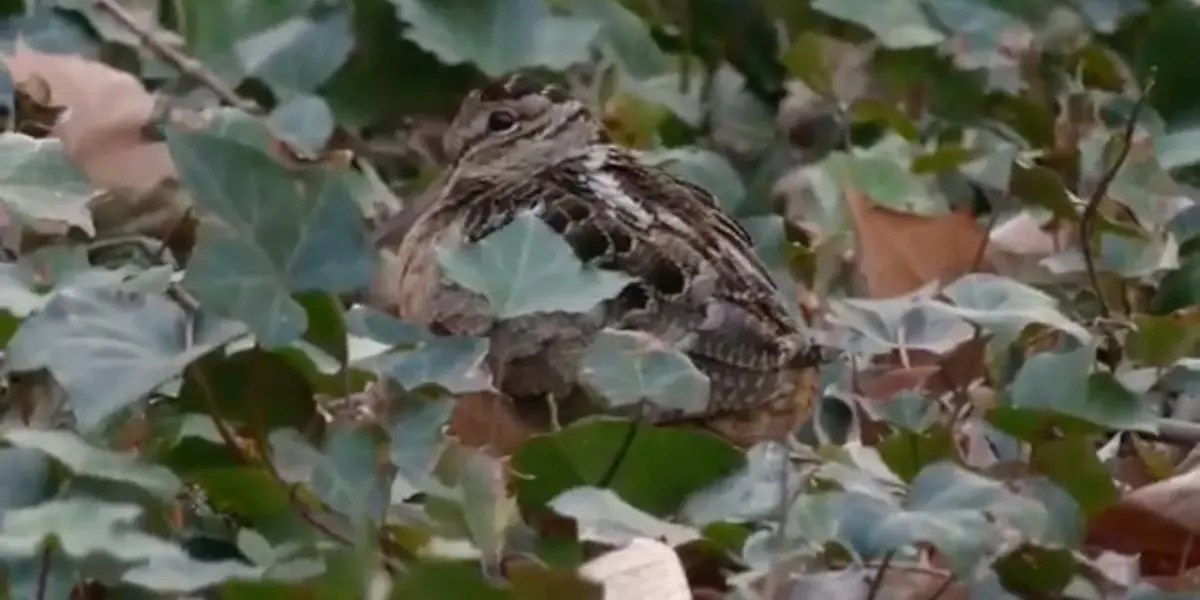
Midtown, Manhattan, usually buzzes with the sounds of traffic and hurried footsteps. But recently, a different kind of buzz took over Bryant Park. A small, shy bird, the American woodcock, has become the unlikely star of the show, drawing crowds of curious New Yorkers and visitors alike. This tiny visitor, normally found in quiet forests, has turned an ordinary city park into an extraordinary wildlife viewing spot.
A Forest Dweller in the Concrete Jungle
The American woodcock is a fascinating creature. It’s small and its feathers are colored to blend in with its surroundings, making it hard to spot. Most of the time, it’s active at night, which adds to its mystique. However, every spring, these birds make a stop in Bryant Park. They land here to rest and gather energy during their long migration journey. For bird watchers in the city, this is a rare and exciting treat.
“The woodcock is an incredible bird and I can’t believe it flew all this way and has landed here in New York City, and we can see it in Bryant Park,” said one observer, echoing the sentiment of many who came to see the bird. “I just had to see it. It’s so cute.” Drawn by whispers and videos shared online, people gathered, hoping for a glimpse of this unique avian visitor.
More Than Just a Bird: A Communal Experience
Visitors described the woodcock as “really unique.” They noted its habit of “hanging out, taking a little snooze” and ruffling its feathers. Its most charming feature is its distinctive bobbing walk, which has captivated onlookers. This little dance isn’t just for looks; it’s a clever hunting technique. By rocking its body, the woodcock sends vibrations into the ground, helping it locate worms hidden beneath the surface. At night, this shy bird becomes more active, even making a quirky call, a soft “Meap,” to attract a mate.
For the people gathered in Bryant Park, seeing the woodcock was more than just a simple bird sighting. It created a sense of shared wonder. “It’s a really nice experience, right? Like, you come, you see it, there’s dozens of other people around you. People will talk to each other,” one visitor shared. “It’s like a nice communal experience.” When the bird successfully caught a worm, the crowd would erupt in shared excitement.
Why This Matters
This unexpected event in Bryant Park highlights a deep human need for connection with nature, even in the heart of a bustling metropolis. “I think it means that New Yorkers want still to have some connection to the natural world, even though we’re in a place with a lot of concrete and glass and and other human beings,” explained an observer. It suggests that even in densely populated urban environments, opportunities for experiencing wildlife can bring people together and remind them of the natural world around them.
Looking Ahead
The American woodcock is expected to remain in Bryant Park for a few more days. For those who missed this particular visit, there’s still hope. Bryant Park also hosts official birding tours later this month. These tours offer a chance to learn more about local bird species and perhaps spot other urban wildlife. The woodcock’s visit serves as a reminder that nature can surprise us in the most unexpected places, even surrounded by skyscrapers.
Historical Context
Urban parks like Bryant Park have long served as vital green spaces within cities. Historically, these parks were designed to offer residents a respite from urban life, providing areas for recreation and a connection to nature. The appearance of migratory birds like the woodcock is a testament to the importance of these urban oases as stopover points for wildlife. Even small patches of green can play a significant role in supporting biodiversity in urban settings, helping creatures navigate their journeys.
Trends and Future Outlook
The increased interest in urban wildlife sightings reflects a growing trend of nature appreciation in cities. As more people live in urban areas, there’s a greater desire to connect with the natural world. This can lead to increased support for conservation efforts within cities and the creation of more green spaces. Events like the woodcock’s visit can spark curiosity and encourage people to become more aware of the wildlife living alongside them. It also highlights the potential for urban parks to become important sites for citizen science and environmental education.
Source: Woodcock Causes Big Stir in New York City’s Bryant Park (YouTube)

Related Articles


Queens Pizzeria Owner Becomes Symbol of Resilience Amidst Crime Surge
A Queens pizzeria owner bravely defended customers from an attacker with a box cutter, highlighting rising safety concerns. This incident, which occurred despite the owner and his father previously being stabbed, underscores the risks faced by small businesses and the community's resilience.


Oil Prices May Drop $20 as Shipping Risks Ease
Oil prices may fall by as much as $20 per barrel as shipping risks ease through the Strait of Hormuz. Meanwhile, New York City's Mayor faces financial scrutiny in his first 100 days.
NYC’s Cherry Blossoms Signal Spring’s Joyful Return
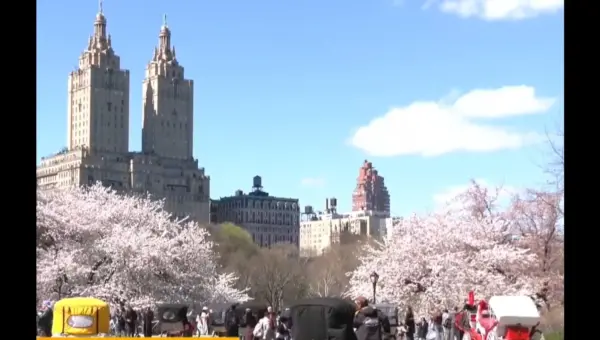
New York City's cherry blossoms are back, drawing crowds to Central Park and other green spaces. These trees, a symbol of friendship with Japan, offer a vibrant, yet fleeting, reminder of spring's arrival and renewal.