Cities Defy Federal Law, Fueling Border Crisis
Former Border Patrol chief Tom Homan and others are criticizing "sanctuary city" policies. They argue these local laws lead to crime and tragedy, citing a recent murder in Chicago. The debate highlights a major clash between federal immigration enforcement and local approaches to undocumented immigrants.

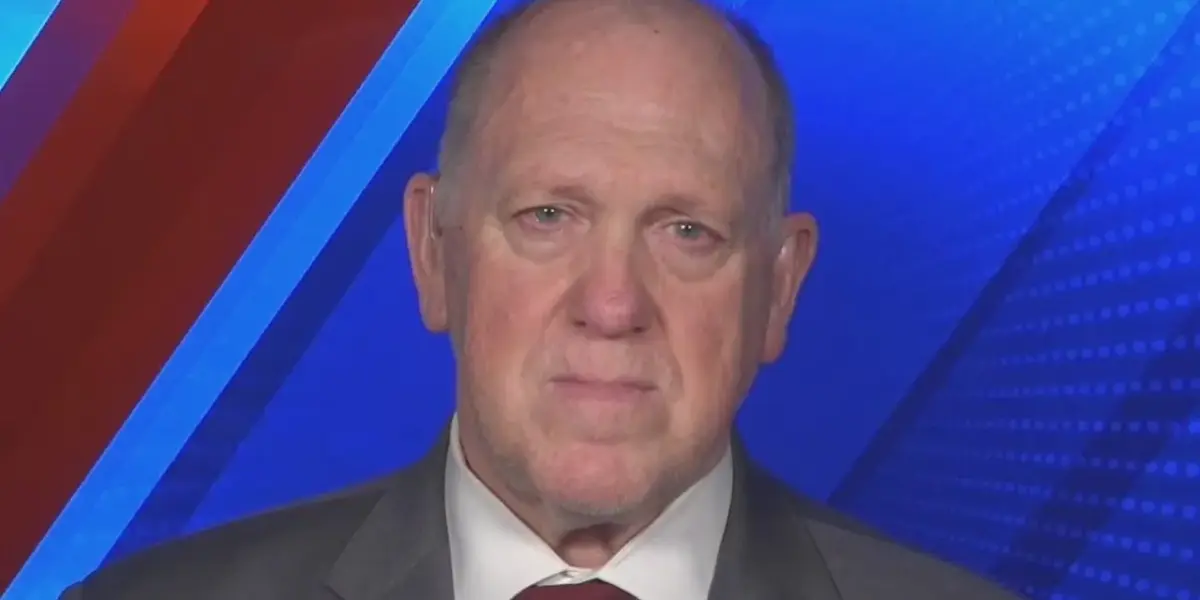
Cities Defy Federal Law, Fueling Border Crisis
A former Border Patrol chief, Mark Morgan, and former acting ICE Director, Tom Homan, are speaking out forcefully against “sanctuary city” policies. They argue these policies directly contribute to crime and tragedy. This comes after a recent high-profile murder in Chicago, allegedly by an undocumented immigrant with a prior arrest. The debate highlights a deep divide between federal immigration enforcement and local government approaches.
Former Officials Criticize “Sanctuary” Policies
Gregory Bovino, who recently left his post leading Border Patrol, made strong remarks on his way out. He stated that he and other officials felt “buried” by the current situation. Bovino specifically criticized liberal leaders for not doing more to address immigration issues. He suggested this inaction is how the current problems began.
Tom Homan responded to Bovino’s comments. While appreciating Bovino’s service and calling him a patriot, Homan defended his own record. Homan stated that under his leadership, more illegal immigrants were deported than at any time since the Eisenhower administration. He firmly believes he has not been inactive on immigration enforcement. Homan wished Bovino well in retirement and suggested moving past the criticism.
Chicago Tragedy Highlights Policy Clash
The discussion is fueled by the death of Sheridan Gorman, a college student in Chicago. She was allegedly murdered by an undocumented immigrant from Venezuela. This suspect had reportedly been arrested before. Chicago Mayor Brandon Johnson has faced criticism for his administration’s handling of the situation.
Mayor Johnson expressed condolences to Sheridan’s parents. He stated that policies in place directly caused her death. He suggested that if not for these policies, she would not have been in the city or the country. He apologized again for the loss, acknowledging collective grief over victims of violence.
The policies Johnson referred to include the “Welcoming City Ordinance,” passed four years ago, and the “Safety Act.” The ordinance was enacted by the previous mayor, while the Safety Act was passed under Republican Governor Bruce Rauner. These local policies often limit cooperation between city police and federal immigration agencies like ICE.
“Sanctuary for Criminals” Argument
Tom Homan has long been a critic of sanctuary cities. He has met many “Angel Moms,” mothers who lost children to crimes allegedly committed by undocumented immigrants. Homan argues that sanctuary city policies are not about welcoming people. Instead, he calls them “sanctuary for criminals.”
He believes these policies create a false sense of security for those who break the law. They may think local police won’t contact ICE. Homan pointed to Minneapolis as an example. He noted that Minneapolis, which is considered a sanctuary city, now allows ICE access to its jails. This allows federal officials to identify and detain individuals who are wanted by immigration authorities.
Homan suggested that Chicago should follow this lead. He questioned why public safety threats are released back into the community. He argued that when a person is locked in a jail cell, that’s an opportunity to work with ICE. He emphasized that victims and witnesses of crimes generally do not want criminals returned to their neighborhoods.
Federal Pushback and Legal Challenges
There is a clear effort to end sanctuary city policies. Pam Bondi, a former Florida Attorney General, is involved in lawsuits against some sanctuary cities. Former President Trump also made ending these policies a key part of his immigration platform. The federal government believes these local policies undermine national security and law enforcement efforts.
Global Impact
The conflict over sanctuary cities is more than just a local issue. It represents a fundamental disagreement about immigration enforcement and national sovereignty. Federal authorities see a need for consistent, nationwide application of immigration laws. Local officials, however, often prioritize community relations and believe their policies protect all residents, regardless of immigration status.
This tension can create a complex environment for law enforcement and immigrants alike. It also impacts international perceptions of the United States. Countries that have citizens in the U.S. may have concerns about their safety and legal standing, depending on local policies.
Historical Context
The idea of cities limiting cooperation with federal authorities is not new. However, the term “sanctuary city” gained prominence in the 1980s. It was initially used by cities that offered refuge to Central American asylum seekers fleeing civil wars. Over time, the focus has shifted. Today, the debate is largely about the extent to which local governments should assist federal immigration enforcement, especially concerning individuals with criminal records.
Economic Leverage
While not explicitly detailed in this exchange, economic factors often play a role. Federal funding can be tied to cooperation on immigration matters. Conversely, cities may argue that cooperating with federal immigration agents strains local resources and can harm community trust, which is vital for effective policing. The economic impact of crime, and the cost of detention and deportation, are also part of the broader discussion.
Future Scenarios
One possible future scenario is increased legal challenges and federal pressure on sanctuary cities. This could lead to more cities either changing their policies or facing significant financial penalties. Another scenario involves a shift in federal policy, perhaps through legislation, that clarifies or changes the requirements for local cooperation. It’s also possible that public opinion and local political changes could lead some cities to voluntarily alter their sanctuary status.
Source: Tom Homan responds to Gregory Bovino criticism | Katie Pavlich Tonight (YouTube)

Related Articles

House Funds DHS Short-Term, Senate Stalemate Looms
The House has passed a short-term bill to fund the Department of Homeland Security, but the Senate is expected to reject it. This temporary measure highlights ongoing political divisions and the challenges in reaching long-term budget agreements in the U.S. Congress.

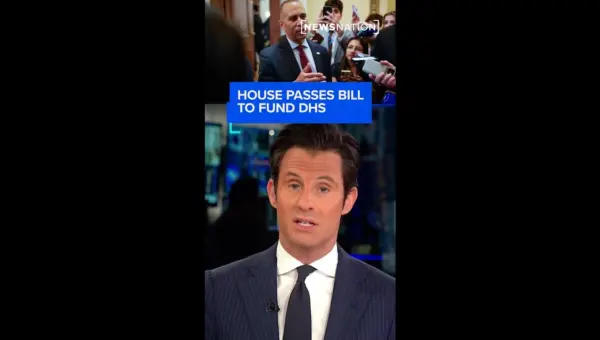
Congress Stalemate Threatens Border Security Funding
The U.S. House passed a temporary funding bill for the Department of Homeland Security, but Senate Democrats are expected to block it. This recurring stalemate highlights deep divisions over border policy and funding, potentially impacting national security and international perceptions of U.S. stability.

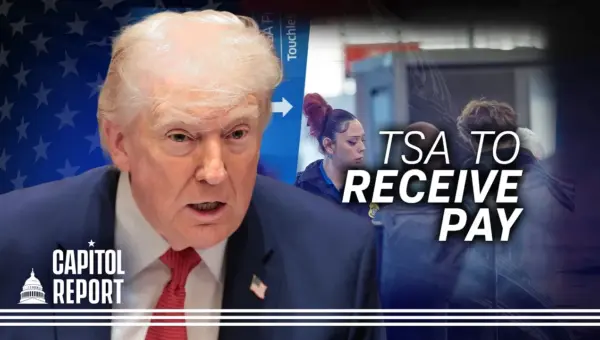
Congress Fights Over DHS Funds, Workers Face Pay Woes
House Republicans have rejected the Senate's DHS funding bill, proposing their own plan to fund the entire department. This has left many DHS workers, including TSA staff, without pay for weeks. President Trump has signed an order to provide back pay to TSA workers.