CIA’s Top Spy Joins GM, Fuels UAP Program Ties
Former CIA UAP analyst Dr. Kit Green's move to General Motors raises questions about potential government program ties. Green led the CIA's "weird desk" analyzing anomalous aerospace reports before joining GM in senior technology roles. This connection, alongside Hughes Corporation's covert history, suggests a deeper engagement with UAP.

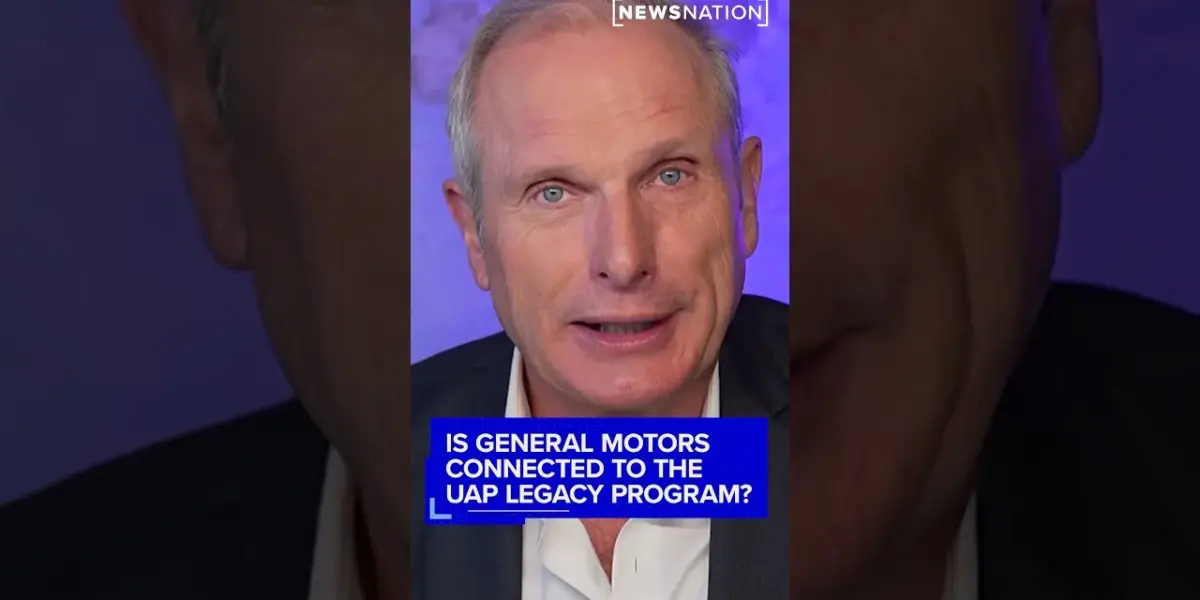
CIA’s Top Spy Joins GM, Fuels UAP Program Ties
A former high-ranking official from the CIA’s science and technology division, Dr. Kit Green, moved to General Motors (GM) in a move that has raised questions about potential links between the automaker and government programs studying unidentified aerial phenomena (UAP). Green, a forensic neurologist and neuroscientist, led the CIA’s “weird desk” from 1969 to 1985. This desk focused on analyzing unusual aerospace reports and intelligence related to UAP, also known as UFOs.
Who is Dr. Kit Green?
Dr. Green spent 16 years within the CIA’s Directorate of Science and Technology. His work involved studying a wide range of anomalous phenomena. He also investigated areas like remote viewing. His expertise was in understanding and analyzing complex, often unexplained, data. This background made him a key figure in the intelligence community’s efforts to understand strange aerial events.
GM’s Interest in a CIA Expert
After leaving government service in 1985, Dr. Green took on senior technology roles at General Motors. He even served as the chief technology officer for GM’s Asia-Pacific region. This transition is noteworthy. It raises questions about why a major automotive company would hire someone with such a specific and unusual background in intelligence and UAP analysis. Green remained with GM until the early 2000s.
Hughes Corporation’s Covert History
The discussion around GM’s potential UAP connections also brings up the history of the Hughes Corporation. Hughes, which has had long-standing collaborations with General Motors, has a documented past of covert operations. Howard Hughes, the company’s founder, performed secret work for the CIA. The Hughes Corporation was involved in the Glomar Explorer project. This project famously recovered a sunken Soviet submarine from the ocean floor. There are also unconfirmed rumors that the Glomar Explorer may have been used for other, more unusual recovery missions.
Connecting the Dots: GM and UAP Programs
While direct proof of GM’s involvement in a government UAP retrieval and reverse-engineering program remains unclear, the hiring of Dr. Kit Green is a significant point of interest. His role at the CIA managing UAP-related intelligence suggests a deep understanding of these phenomena. His subsequent move to a senior technology position at GM opens up possibilities. It suggests that GM may have sought his unique analytical skills or insights. This could be for reasons beyond typical automotive technology development.
Global Impact: Why This Reshapes the World Order
The potential connection between a major defense contractor like GM (through its historical ties with Hughes) and a former CIA official involved in UAP analysis has broader implications. It suggests that advanced technology companies may be involved in government efforts to understand unexplained aerial phenomena. This could involve studying recovered materials or analyzing data from sightings. Such involvement, even if indirect, hints at a deeper, more organized government interest in UAP than publicly acknowledged. It also raises questions about how such knowledge might influence technological development and national security strategies in the future.
Historical Context
The U.S. government’s interest in unexplained aerial phenomena dates back decades, with programs like Project Blue Book in the 1950s and 60s. The CIA’s own historical involvement, particularly through figures like Dr. Green and the use of corporations for covert missions, shows a long-standing pattern. The Hughes Corporation’s role in projects like the Glomar Explorer demonstrates its capacity for complex, classified operations. This historical context provides a backdrop for understanding why a company with such a past might be considered for or involved in sensitive government projects.
Economic Leverage and Future Scenarios
Companies like GM are vital to the U.S. economy and defense industrial base. Any involvement in classified UAP programs could provide them with unique technological advantages. This could translate into future innovations in aerospace or other fields. Conversely, if UAP technology were to become public knowledge, it could disrupt existing industries and create new economic opportunities. The future could see increased transparency regarding UAP, leading to new government-industry partnerships. Alternatively, the secrecy could continue, with only a select few organizations privy to such advanced knowledge.
Source: Is General Motors connected to the UAP legacy program? (YouTube)

Related Articles


Alien Fuel? Interstellar Object Sparks Global Intrigue
The interstellar object 1I/ʻOumuamua is back in the headlines with new research suggesting it may contain nuclear fuel. This unusual composition, along with other strange characteristics, challenges current scientific understanding and fuels speculation about its origin. The findings come as governments show increased interest in unexplained phenomena, potentially reshaping our view of the cosmos.


China Buys US Assets; Lawmakers Push for Deregulation
Lawmakers express deep concern over Chinese Communist Party's acquisition of U.S. assets, including land and businesses. Congressman Roger Williams calls for deregulation to strengthen American companies and counter foreign economic influence. The issue links economic security directly to national security.


Shutdown Squeezes Essential Workers, Threatens Security
TSA agents are working longer hours without pay during the U.S. government shutdown, forcing them to take on second jobs and seek financial relief. The shutdown creates significant stress for essential workers and raises concerns about national security and the government's ability to function.