CIA Predicts IRGC Hardliner to Succeed Iran’s Supreme Leader
A CIA assessment suggests that the next Supreme Leader of Iran is likely to be an IRGC hardliner, not a moderate figure. This projection highlights the growing influence of the Revolutionary Guard within Iran's political structure. Such a succession could impact domestic policies and international relations.

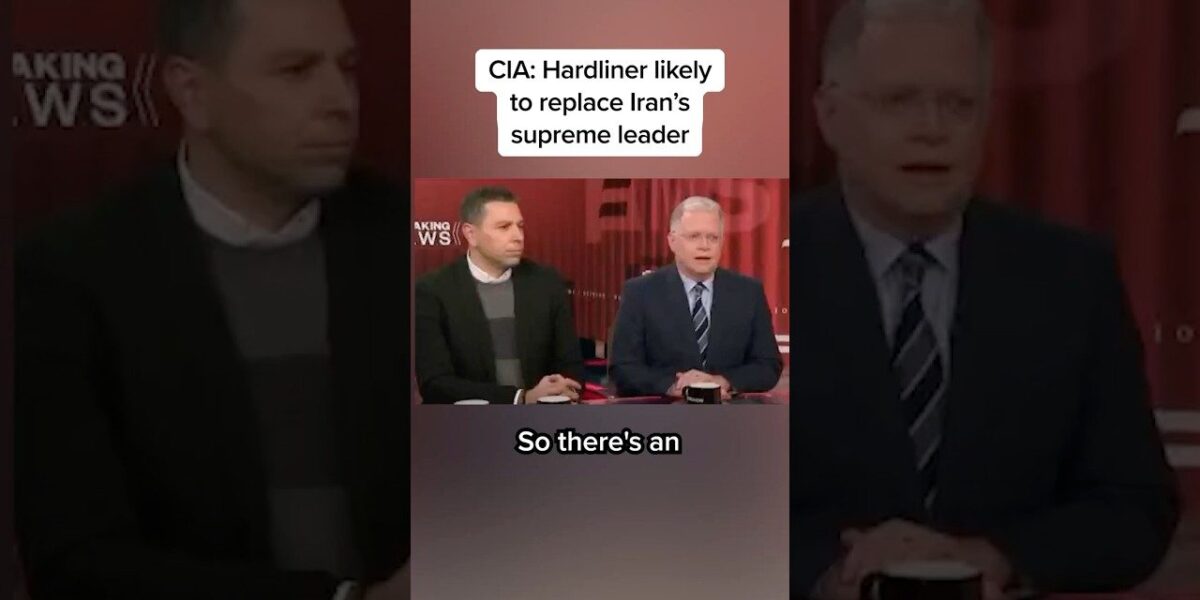
CIA Assessment Points to Hardliner Succession in Iran
A recent assessment by the Central Intelligence Agency (CIA) indicates that Iran’s next Supreme Leader is likely to be a hardliner from the Islamic Revolutionary Guard Corps (IRGC), rather than a more moderate figure. This projection, based on internal intelligence analysis, suggests a potential continuation or even intensification of the current political trajectory within the Islamic Republic. The information was revealed by a source briefed on the assessment who spoke to MS NOW on condition of anonymity.
The Significance of the Supreme Leader’s Role
The Supreme Leader of Iran holds ultimate political and religious authority in the country. Appointed for life, this position is the most powerful in the Iranian government, influencing all major policy decisions, from foreign affairs and defense to the economy and social issues. The current Supreme Leader, Ayatollah Ali Khamenei, has been in power since 1989, overseeing decades of significant geopolitical events and internal political shifts. His eventual succession, therefore, is a matter of considerable international and domestic interest.
Why an IRGC Hardliner is the Likely Successor
The CIA’s projection of an IRGC hardliner stems from the growing influence and entrenchment of the Revolutionary Guard within Iran’s political and economic structures. The IRGC, a powerful paramilitary organization founded after the 1979 revolution, has expanded its reach far beyond its initial military and security mandate. It now plays a significant role in Iran’s economy and exerts considerable influence over political appointments and decision-making processes. Sources briefed on the CIA assessment suggest that this institutional power base makes it highly probable that a figure aligned with the IRGC’s hardline ideology would be favored in the selection process. This contrasts with the hope among some observers and segments of the Iranian population for a more reform-minded leader.
Implications for Iran and the International Community
A succession by an IRGC hardliner could have profound implications. Domestically, it might signal a consolidation of power by the security apparatus, potentially leading to a further suppression of dissent and a tightening of social and political controls. For the international community, particularly Western nations, such a development could mean a continuation of the current confrontational foreign policy. This includes Iran’s nuclear program, its regional activities, and its stance on issues like human rights. The existing tensions between Iran and countries like the United States and its allies could be exacerbated, leading to increased geopolitical instability in the Middle East.
The Role of Moderates and Opposition
While the CIA assessment leans towards a hardline successor, it is important to acknowledge that Iran’s political system is complex. The selection process for the Supreme Leader involves the Assembly of Experts, a body of eighty-eight clerics elected by popular vote. This assembly is responsible for choosing, appointing, and overseeing the Supreme Leader. Although the IRGC’s influence is substantial, the assembly’s deliberations and potential internal power dynamics cannot be entirely discounted. However, the prevailing trend, as suggested by the CIA’s analysis, indicates that candidates with strong ties to the IRGC and a hardline stance are currently better positioned to gain the necessary support.
Looking Ahead: What to Watch
The health and eventual passing of Ayatollah Khamenei remain the immediate trigger for this succession process. As the situation evolves, attention will be focused on the deliberations within the Assembly of Experts and the degree to which the IRGC’s influence shapes the outcome. International observers will be closely monitoring any shifts in Iran’s domestic policies and its foreign relations, particularly concerning its nuclear ambitions and regional engagements. The CIA’s assessment serves as a significant indicator, but the intricate internal politics of Iran will ultimately determine who assumes the mantle of Supreme Leader and what direction the country takes in the coming years.
Source: CIA: Hardliner likely to replace Iran's Supreme leader (YouTube)

Related Articles
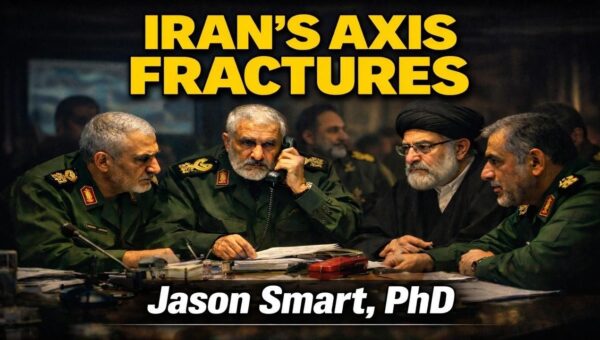
Iran’s Regime Under Siege: Attacks Cripple Leadership, Impact Russia
Iran's regime is reportedly facing critical blows from targeted attacks, crippling its leadership and severing a vital military supply line to Russia. This dual pressure is significantly impacting Russia's war efforts in Ukraine, while internal dissent grows within Iran.

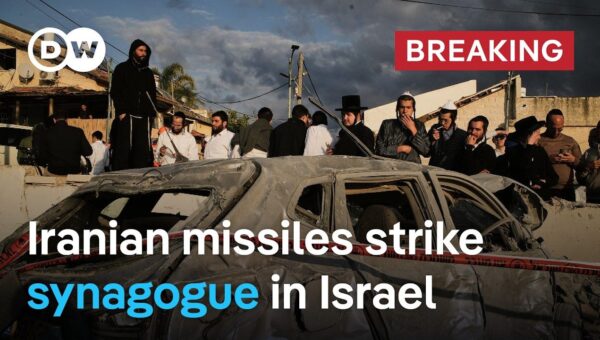
Iran Missile Strike Kills 9 in Israel, Netanyahu Vows Escalation
Nine people were killed and 28 wounded in a devastating Iranian missile strike on a synagogue in Beit Shemesh, Israel. Prime Minister Benjamin Netanyahu has vowed to intensify strikes on Tehran, as analysts discuss the escalating conflict and Iran's capacity for sustained resistance.

Iran Regime Change: Is It Further Off Than Expected?
Former diplomat Charlie Gammell suggests that the prospect of regime change in Iran may be further off than anticipated by the US and Israel. Despite strategic strikes and pressure, the Islamic Republic appears resilient and unified, with internal factors and the Iranian psyche playing a significant role in its endurance.