CIA Deception Aids Daring Rescue of U.S. Airman in Iran
A U.S. airman was dramatically rescued from Iran after his F-15 jet was shot down, thanks to a covert operation involving CIA deception and U.S. Special Forces. The pilot survived by hiding in a mountain crevice and using a burst transmitter, while the CIA spread false information to misdirect Iranian forces.

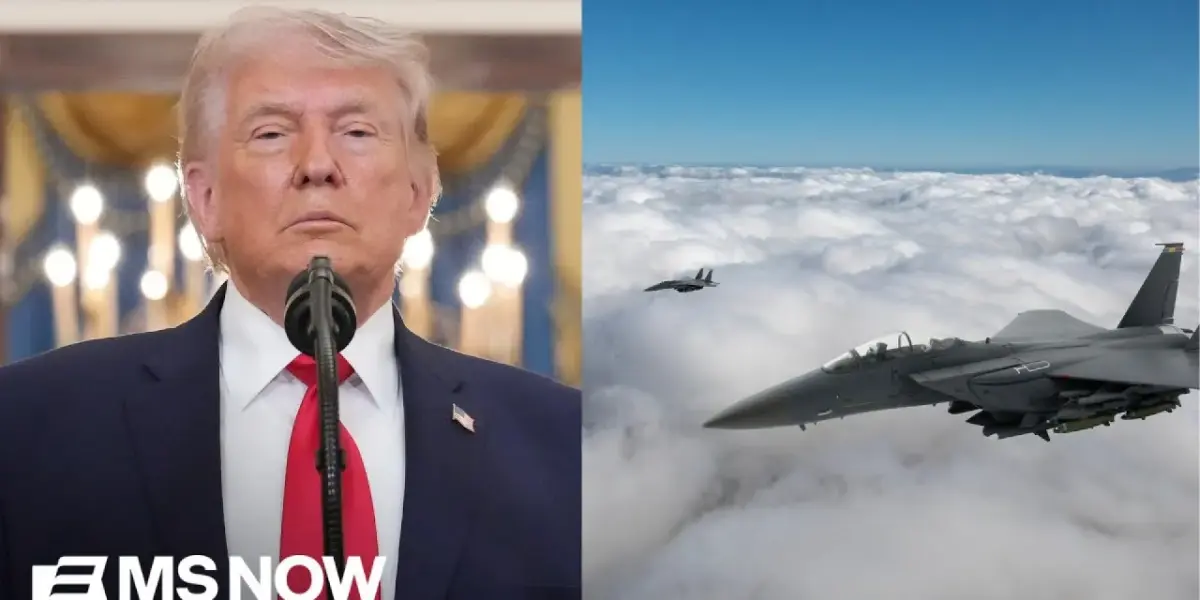
US Airman Rescued From Iran After F-15 Downed
A U.S. airman, who went missing after his F-15 fighter jet was shot down inside Iran, has been safely rescued in what President Trump called one of the most daring search and rescue operations in U.S. history. The successful mission involved a complex, high-stakes race against time to locate the pilot before Iranian forces could reach him.
A Needle in a Haystack Search
U.S. officials described the effort to find the pilot as a near-impossible task, akin to finding a “needle in a haystack.” The airman, identified as a special weapons officer, ejected from his aircraft and landed separately from his pilot. He reportedly sustained a sprained ankle and managed to make his way up a mountain, possibly as high as 7,000 feet, to find a hidden crevice to shelter in.
High-Tech Survival and Deception
To signal his location, the airman used a military burst transmitter. This device sends out intermittent signals, a necessary precaution because continuous signals could be detected by enemy forces. The pilot had to strategically turn the transmitter on and off, a difficult task when his primary goal was to signal for help. U.S. forces also maintained communication with him to confirm he was alive and not captured, ensuring they were not being led into a trap.
CIA’s Crucial Role in Misdirection
The Central Intelligence Agency (CIA) played a vital role by initiating a deception campaign. They spread false rumors that the U.S. had already reached the pilot and were moving him out by road. This tactic aimed to draw Iranian forces’ attention to nearby roads, diverting them from the pilot’s actual location in the mountains.
Special Forces Bravery Under Fire
The rescue operation was carried out by hundreds of U.S. Special Operations soldiers using dozens of aircraft. Reports indicate there was at least one firefight between U.S. special forces and Iranian personnel during the mission. The highly trained soldiers, including those from Air Force pararescue units, hiked into the rugged terrain to reach the airman, who was found armed only with a standard-issue pistol.
Intense Training for Egress and Survival
The successful rescue highlights the rigorous training U.S. military personnel undergo for survival and evasion. Rob D’Amico, a former member of the FBI Hostage Rescue Team, explained that such training involves placing individuals in challenging, compromised positions in remote areas to practice self-extraction and survival techniques. These exercises, often conducted in mountainous or harsh environments, prepare crews for potential scenarios behind enemy lines.
“They have them all over the country… That’s where they take the crews, people that are going to be possibly be behind enemy lines. Part of it is in training, how to do things and then there’s field ops where they actually go out and do this.”
Verifying Identity: Proof of Life
A critical aspect of such rescues is verifying the identity of the rescued individual. D’Amico mentioned the use of “proof of life” questions, a process he experienced while operating with special forces in Iraq and Afghanistan. This is essential to ensure that the person being rescued is indeed the intended target and not a ruse by the enemy to lure rescuers into an ambush.
Lessons from Past Operations
The operation also drew comparisons to past missions, including the Extortion 17 incident where a helicopter was shot down, resulting in the deaths of 38 troops, many of them Navy SEALs. This history underscores the immense resources and meticulous planning required for such high-risk extractions, as well as the potential dangers involved.
Conventional vs. JSOC Operations
The rescue involved two distinct approaches. The initial search was a conventional search and rescue effort by Air Force and other service units, equipped for pilots downed in various areas. However, the second, more complex rescue, was handled by Joint Special Operations Command (JSOC) SEALs. This “black side” operation, as it was termed, was deployed due to the mission’s extended duration and complexity, showcasing JSOC’s expertise in handling intricate and high-stakes operations, including contingency planning for numerous potential problems.
A Race Against Time
The urgency of the situation cannot be overstated. Time is always essential in these operations. JSOC’s ability to anticipate and plan for multiple contingencies, with various backup plans, allows them to act decisively and directly when a situation unfolds, maximizing the chances of a successful outcome.
What’s Next?
This successful rescue is a testament to the bravery of U.S. service members and the sophisticated capabilities of its intelligence and special operations forces. Future operations will likely continue to refine these tactics, emphasizing the critical interplay between intelligence gathering, deception, and rapid, precise execution in hostile environments.
Source: CIA intelligence aids rescue of U.S. airman inside Iran (YouTube)

Related Articles
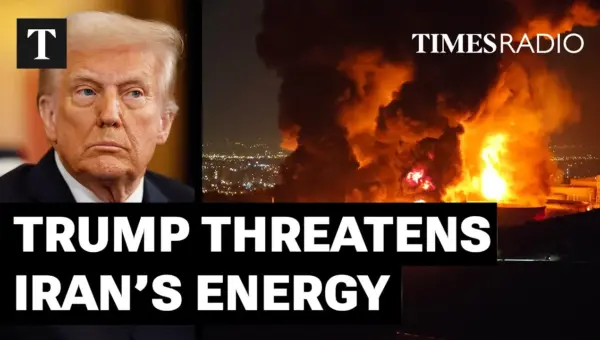
Trump’s Iran Grid Threat Called ‘War Crime’ Amid Ceasefire Talks
Experts are calling Donald Trump's threats to dismantle Iran's entire electrical grid a potential war crime. As the U.S. and Iran consider a Pakistan-brokered ceasefire plan, skepticism remains high regarding Iran's willingness to reopen the Strait of Hormuz. The volatile situation is marked by mixed messaging and concerns over international law.

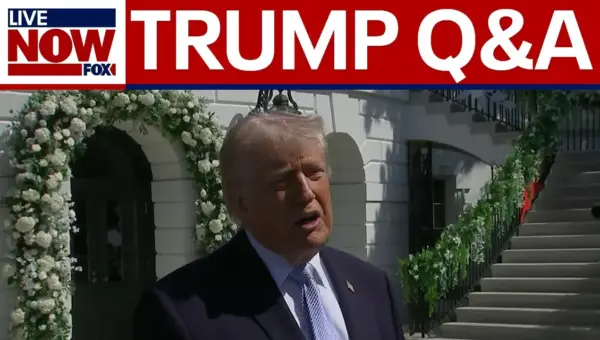
Trump Hints at War’s End, Discusses Iran Deal
President Trump, speaking at the White House Easter Egg Roll, discussed ongoing tensions with Iran. He described Iran's latest proposal as a significant step but insufficient, hinting at continued military action if demands aren't met. Trump also reiterated his strong stance against Iran obtaining nuclear weapons.


Trump Warns Iran, Faces Criticism Amid Escalating Tensions
President Trump issued a series of strong warnings to Iran, setting a deadline for the reopening of the Strait of Hormuz and threatening severe consequences. Meanwhile, the U.S. military successfully rescued a second airman downed in Iran. Democrats criticized the President's rhetoric, calling it dangerous, while economic impacts of the conflict, including rising gas prices, are being felt at home. In space news, NASA's Artemis II crew is set to make history with a lunar flyby, and Pope Francis called for peace on Easter amidst global conflicts.