CIA Arms Kurds for Iran Uprising: Netanyahu’s Plan Revealed
The CIA, reportedly at the behest of Israeli Prime Minister Benjamin Netanyahu, has begun arming Kurdish forces in Iraq and Iran as part of a strategy to foment an uprising against the Iranian regime. The move raises questions about regional stability, U.S. ammunition stocks, and the reliability of international partnerships.

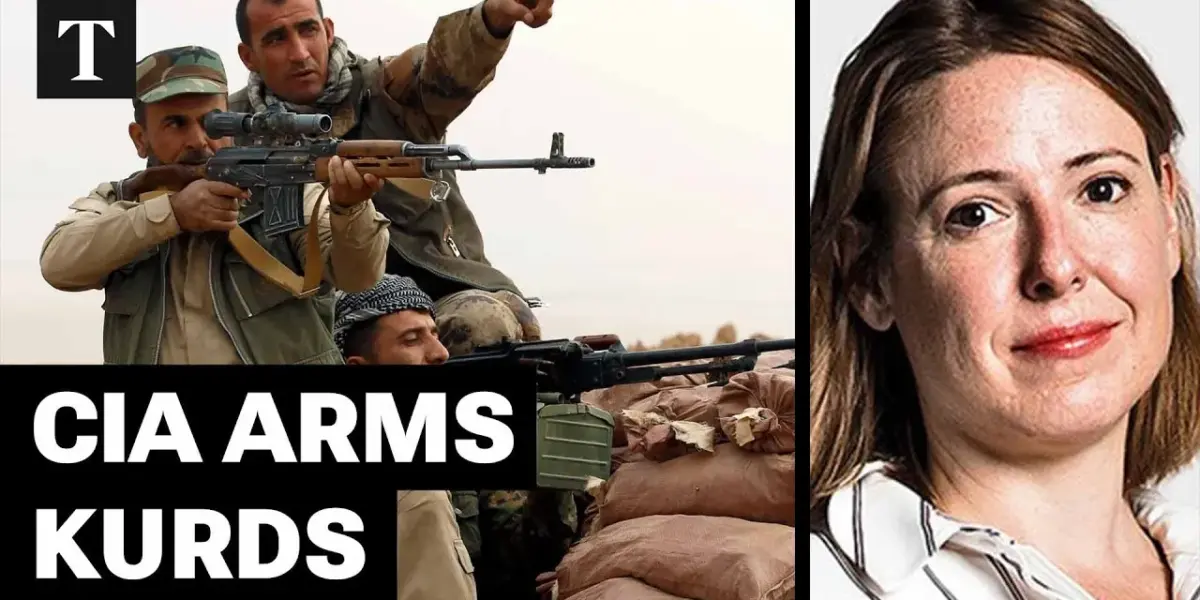
CIA Reportedly Arms Kurds for Potential Iran Uprising
In a significant development that could reshape regional dynamics, reports suggest the Central Intelligence Agency (CIA), with backing from Israeli Prime Minister Benjamin Netanyahu, has begun arming Kurdish forces in Iraq and Iran. The initiative, allegedly proposed to President Trump at the White House, aims to bolster a potential uprising against the Iranian regime.
Who Are the Kurds and Why Are They Targeted?
The Kurdish people are an ethnic group spread across several Middle Eastern countries, including Iran, Iraq, Syria, and Turkey. Often characterized by a pro-Western outlook, Kurdish forces have previously served as crucial support troops in conflicts such as the 2003 invasion of Iraq and the fight against the Islamic State in Syria. The specific Kurdish groups in question, based both within Iran and across the border in Iraq, are reportedly seeking greater autonomy and representation rather than a separate homeland.
According to Catherine Philp, World Affairs Editor at The Times, these Iranian Kurds are considered one of the few armed opposition groups capable of challenging the Iranian regime. While the CIA has reportedly provided small arms, not heavy weaponry, the move signifies a strategic interest in leveraging these forces for a potential destabilization of Iran from within.
Netanyahu’s Strategic Vision for Iran
The genesis of the plan to arm the Kurds appears to stem from Israeli Prime Minister Benjamin Netanyahu. The Times reports that Netanyahu presented this strategy to President Trump, outlining a vision where Kurdish forces could act as ground troops to complement potential air attacks against Iran. This strategic alignment between Israeli and American interests highlights a shared objective of pressuring the Iranian government.
Motives and Potential Complications
The ultimate command structure and loyalty of these armed Kurdish groups remain a significant question. While they would likely answer to their own leadership, the influence of their armers, such as the CIA and potentially Israel, cannot be discounted. History suggests that providing weapons to non-state actors can lead to unpredictable outcomes, with groups not always adhering strictly to the directives of their benefactors.
The situation is further complicated by the potential for propaganda. Reports of armed Kurds crossing into Iran and engaging the regime have surfaced, though some have been debunked as false. This suggests a possible intent to project an image of an impending armed uprising, aiming to send a strong message to Tehran.
“There are few armed opposition groups in Iran or around Iran that would be there to overthrow the regime. Uh the Kurds are have been looked at as one potential group that could do that. And it seems that the CIA has already armed some Kurds uh from Iran within Iraq with he sorry with small arms, not heavy weaponry.”
– Catherine Philp, World Affairs Editor, The Times
Ammunition Stocks and Divergent Goals
The discussion around arming proxy forces intersects with concerns about the ammunition stocks of the United States. President Trump has publicly boasted about America’s “unlimited munitions,” particularly in the context of air defense systems used in the Gulf. However, behind the scenes, there are growing concerns within the U.S. military about the rapid depletion of ammunition supplies. Defense executives have reportedly been summoned to the White House to discuss strategies for ramping up production.
This concern over sustainable ammunition expenditure contrasts sharply with Israel’s apparent objective. Reports indicate that Netanyahu may wish for the conflict to continue for months, potentially to deplete Iran’s resources or create prolonged chaos. This divergence in goals between the U.S. and Israel raises questions about the long-term viability and strategic alignment of their respective approaches to the Iranian situation.
Trust and Future Implications
A critical factor in the success of any such plan is the trust placed in the U.S. by the Kurdish forces. President Trump has reportedly reached out to Kurdish leaders, urging them to support the initiative. However, this outreach comes shortly after the Trump administration controversially withdrew support from pro-Western Kurdish forces in Syria, who were instrumental in defeating the Islamic State’s caliphate. This shift in allegiance, seemingly in favor of the Syrian government, raises doubts about the reliability of U.S. commitments and whether the Kurdish groups will indeed trust President Trump’s current overtures.
The potential for a protracted conflict, coupled with the strategic complexities of arming non-state actors and the differing objectives of key international players, suggests that the situation remains highly volatile. The implications for the Iranian people, the stability of the region, and the broader geopolitical landscape are significant and warrant close observation in the coming weeks and months.
Source: Why The CIA Has Armed Kurds To Rise Up Against The Iranian Regime | Catherine Philp (YouTube)

Related Articles


Ukrainians Use Humor to Cope with Middle East Conflict
Ukrainians have responded to the latest Middle East escalation with humor, turning to memes as a survival skill honed by years of war. This coping mechanism highlights their resilience amidst global panic and their unique perspective shaped by ongoing conflict.

Trump Criticizes Allies; France Deploys Carrier Amid Mideast Tensions
Former President Donald Trump has sharply criticized European allies, threatening trade with Spain, while France deploys its aircraft carrier to the Mediterranean amid rising regional tensions. Divergent assessments on Iran's nuclear program and reports of Russian military incidents, including alleged friendly fire, add to the complex geopolitical landscape.

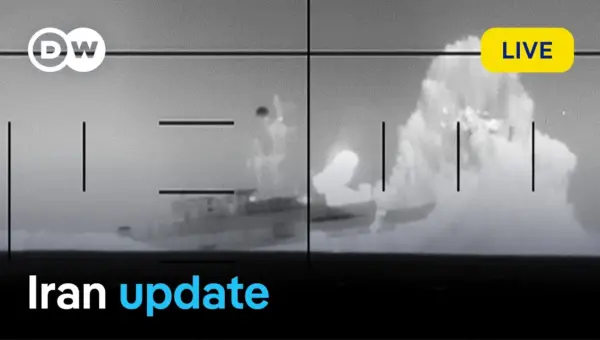
US Navy Sinks Iranian Warship Near Sri Lanka
The US military confirmed it sank an Iranian frigate off the coast of Sri Lanka in international waters on Wednesday. US Secretary of Defense Pete Hegseth highlighted the military's reach as the conflict with Iran widens. This incident occurs amidst fresh strikes exchanged between Iran and Israel.