Chinese Friend’s American Road Trip Reveals Stark Contrasts with Media Portrayals
A Chinese friend's road trip across the USA revealed surprising truths about American life, challenging negative portrayals often seen in Chinese media. From pristine blue skies and free amenities to encountering universal kindness, the experience offered a stark contrast to her preconceived notions.


A Journey of Discovery: Beyond the Headlines
In a world increasingly shaped by media narratives, personal experiences often offer the most profound insights. Such was the case for a recent cross-country road trip undertaken by a U.S.-based individual and their long-lost Chinese friend. What began as a simple reunion and an “all-American” adventure evolved into a powerful illustration of how curated information can diverge dramatically from lived reality, particularly concerning perceptions of the United States in China.
The Unexpected Invitation and the Open Road
The journey commenced when an old friend from China, whom the author hadn’t seen in over a decade, reached out with a desire to visit the United States. Recognizing the author’s residence on the East Coast, she proposed a visit, hoping for a quintessential American experience – a grand road trip to visit family in Las Vegas. The author readily agreed, arranging a spacious van for the more than 2,000-mile expedition from Pennsylvania to Nevada.
First Impressions: The Shock of the Blue Sky
From the outset, the friend’s experience was marked by stark contrasts to her life in China. One of the most immediate and surprising observations was the persistent, relentless blue sky. While acknowledging that blue skies do exist in China, she noted they are not the perpetual feature seen in the U.S. The absence of smog and the consistent clarity of the atmosphere, barring a single rainy day, was a significant adjustment. This perpetual clear weather, a stark departure from the often polluted skies common in many industrialized areas of China, was a constant, almost jarring, reminder of the environmental differences.
The Novelty of Free Roads and Parking
Another revelation that astonished the friend was the concept of free roads and parking. In China, the infrastructure is heavily reliant on toll roads, with charges levied for virtually every kilometer of highway usage. Furthermore, parking is a significant expense, with fees applicable at one’s residence, shopping malls, and even on city streets. The idea that an entire cross-country trip could be completed without encountering a single toll, and that parking was readily available without cost, was almost incomprehensible. This stark difference highlighted the economic and infrastructural disparities, where basic amenities like road access are often monetized in one context but freely provided in another.
Rest Stops: A Revelation in Public Amenities
Perhaps the most profound and bewildering aspect of the American experience for the friend was the ubiquitous and well-maintained rest stops. The availability of free, clean restrooms stocked with toilet paper was a revelation. In China, public bathrooms notoriously lack toilet paper due to frequent theft, necessitating travelers to carry their own. The American rest stops, however, offered not just toilet paper but also clean facilities, picnic areas, barbecue pits, designated pet relief zones, nature trails, Wi-Fi, vending machines, and even areas for working and charging electronic devices. The ability to even safely spend the night in one’s vehicle at these free facilities was astonishing. The author posits that the friend’s “hatred” for these amenities stemmed from the stark realization of how far behind China lagged in providing such basic, universally accessible public services. The sheer abundance and quality of these free amenities, even in remote locations, underscored a fundamental difference in the approach to public welfare and infrastructure.
Challenging Perceptions: The Reality of American Life
Beyond the infrastructure and environmental observations, the friend’s journey also served to dismantle deeply ingrained misconceptions about American society, largely perpetuated by Chinese state media and the Communist Party of China (CCP). Prior to her visit, she harbored significant fears, influenced by media narratives that painted a picture of rampant crime, widespread drug addiction, and pervasive homelessness. She had been warned that Chinese individuals were often targeted, subjected to racism, and vulnerable to violent crime. The reality she encountered, however, was a stark contradiction. The road trip through diverse landscapes, including the scenic mountains of Colorado, offered no sightings of drug addicts, homeless encampments, or violent incidents. Instead, she experienced universal friendliness and politeness from everyone they encountered. This direct experience powerfully contrasted with the fear-mongering and negative portrayals she had been fed, revealing the extent to which her understanding of America had been distorted.
A Fresh Perspective on American Positivity
The author reflects on how easily individuals, regardless of their nationality, can become consumed by the negativity prevalent in news cycles and social media. Constant exposure to reports of societal problems, political strife, and perceived moral decay can foster a pessimistic outlook. However, experiencing America through the eyes of a newcomer offered a refreshing counterpoint. The friend’s journey, marked by an absence of the dangers she had been led to expect and an abundance of kindness, served as a potent reminder that media often amplifies negative aspects while overlooking the widespread positive elements of a society. The trip allowed the friend to shed preconceived notions and form a new, overwhelmingly positive impression of the United States.
Conclusion: The Power of Personal Experience
The friend’s visit and subsequent road trip were more than just a personal reunion; they were a testament to the power of firsthand experience in shaping understanding. The stark differences in environmental quality, public amenities, and the lived reality of social order challenged deeply ingrained perceptions, demonstrating how state-controlled media can create a distorted view of foreign nations. Ultimately, the journey left the friend with a significantly altered and highly positive perspective on America, underscoring the importance of looking beyond sensationalized narratives to discover the nuanced realities of different cultures and societies.
Source: My Chinese Friend Hated the USA (YouTube)

Related Articles


German Numbers: The Brain-Bending Linguistic Puzzle
A viral video reveals the baffling German method of pronouncing numbers, where '21' is 'one-and-twenty,' sparking global fascination. Despite its linguistic complexity and challenges for learners, the tradition faces strong public resistance to reform, even as Germany boasts numerous world-changing innovations.


Beyond Tea and Crumpets: An American’s Deep Dive into the Quirks of British Life
An American observer recently embarked on an online journey, reacting to 15 viral posts that offer a candid and often humorous glimpse into the unique facets of British life. From the surprising precision of UK package tracking and ancient, boisterous traditions like the Atherstone Ball Game to the distinctive British sense of humor and the pervasive culture of tea and baked beans, the commentary unpacks a Britain that is both familiar and strikingly unique. This exploration highlights the cultural nuances that differentiate nations, fostering a deeper understanding and appreciation for the UK's distinctive charm.

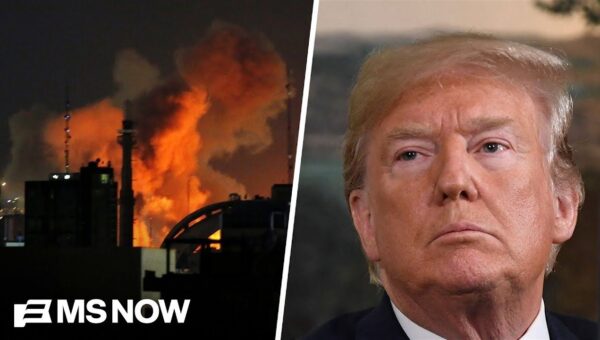
Congressman Swalwell Slams Trump’s Iran Strikes, Cites ‘No Plan’
Congressman Eric Swalwell has strongly condemned the recent U.S. military strikes in Iran, deeming them illegal and lacking a clear strategic plan. He joins Democrats in demanding a War Powers vote, asserting that the administration has failed to present evidence of provocation or a post-strike strategy. Swalwell criticizes the move as a distraction from domestic issues and a departure from campaign promises.