China’s ‘Zero-Trust’ Society: Surveillance, Fear, and the Erosion of Social Bonds
China is increasingly characterized as a 'zero-trust' society, where suspicion, pervasive surveillance, and a culture of fear replace genuine social cohesion. This article explores the manifestations of this distrust, from the reluctance to help strangers to systemic issues in food safety, law enforcement, and healthcare.


China’s ‘Zero-Trust’ Society: Surveillance, Fear, and the Erosion of Social Bonds
In a society where suspicion often trumps solidarity, China is increasingly characterized as a “zero-trust” environment. This concept, far from being a mere buzzword, describes a pervasive atmosphere where individuals and institutions operate under the assumption of inherent distrust, leading to widespread reliance on surveillance, a culture of fear, and a significant erosion of social cohesion. This article delves into the multifaceted nature of China’s zero-trust society, exploring its roots, manifestations, and profound implications for everyday life.
The Bystander Effect: A Symptom of Deep-Seated Distrust
One of the most striking and often-cited examples illustrating China’s zero-trust dynamic is the reluctance of passersby to help individuals who have fallen in public. The phenomenon, often dubbed the “bystander effect,” is not merely a matter of apathy but a calculated response to a deeply ingrained fear of being falsely accused and held liable for the victim’s injuries. The transcript recounts a poignant anecdote where a woman who intervened to help a fallen street sweeper was subsequently confronted by the victim’s family, who demanded compensation, alleging the rescuer was responsible for the fall. Such incidents, amplified by viral videos, have instilled a potent deterrent, making individuals hesitant to engage in acts of Good Samaritanism for fear of becoming entangled in costly legal battles or public shaming.
This fear is compounded by the perceived lack of robust legal protections for those who offer assistance. The implication is that without clear “Good Samaritan” laws or a justice system that inherently favors the helper, the default assumption can be guilt, forcing the innocent to prove their lack of culpability. This creates a chilling effect, where the potential for exploitation outweighs the moral imperative to help, leaving vulnerable individuals without immediate aid and reinforcing a societal norm of non-intervention.
Data Brokerage and the Pervasive Reach of Information Gathering
Beyond interpersonal interactions, the concept of zero trust extends to the digital realm and the handling of personal information. The transcript highlights the role of data brokers, entities that amass vast quantities of personal data – including addresses, phone numbers, email addresses, and even social habits – which can be accessed and exploited by various actors. This information is not just used by advertisers but can be weaponized by individuals with malicious intent, such as business competitors, jilted ex-partners, or disgruntled acquaintances.
The availability of sophisticated tools for private investigators, capable of uncovering intimate details about an individual’s life, underscores the vulnerability inherent in this data-rich environment. The transcript points to services like Incogni as a means of combating this pervasive data harvesting, emphasizing the personal threat posed by such practices, particularly for those who, like the speaker, feel targeted by state entities and their sympathizers. The existence of such data-brokering ecosystems feeds into the zero-trust model by creating an environment where personal information is a commodity, constantly at risk of being compromised and used against individuals.
Food Safety: A Gamble with Public Health
The specter of distrust looms large over the issue of food safety in China. The transcript describes the situation as akin to playing “Russian roulette,” citing rampant issues such as the use of “gutter oil” (recycled waste oil from sewers), the sale of counterfeit products like “fake beef” and “zombie meat,” and widespread food poisoning incidents in educational institutions. This pervasive unreliability forces ordinary citizens to develop their own informal networks and systems for identifying trustworthy food sources.
Local communities often create “interactive maps” of safe shops, markets, and restaurants, relying on word-of-mouth recommendations within trusted circles of friends and family. This reliance on informal, community-driven verification mechanisms highlights a systemic failure in regulatory oversight and a deep-seated lack of faith in official assurances regarding food quality and safety. The constant need for vigilance and personal vetting underscores the pervasive nature of distrust that permeates even the most fundamental aspects of daily life.
Surveillance: The Cornerstone of Control
In lieu of fostering trust, the Chinese state has heavily invested in pervasive surveillance infrastructure. Cameras are ubiquitous, monitoring public spaces, elevators, and public transportation. The requirement for real-name identification for nearly all aspects of digital and public life – from SIM cards and hotel bookings to train travel and online commentary – ensures that individuals are constantly identifiable and their actions traceable.
Social media accounts are inextricably linked to real identities, and even internet cafe visits require registration with government-issued identification. This creates a system where anonymity is virtually impossible, and the default assumption is that every individual is a potential wrongdoer who must be monitored until proven otherwise. This “1984-esque” environment, as described in the transcript, creates a sense of unease and constant scrutiny.
Critically, the effectiveness of this surveillance apparatus is selective. While it diligently monitors dissent and activities deemed unfavorable to the government, it often proves inadequate when citizens are victims of crime. Surveillance footage is frequently reported as being “broken,” “not clear enough,” or simply disregarded by authorities when it comes to investigating common crimes. Conversely, when the surveillance system is directed against citizens in relation to state-sanctioned interests, it functions with “crystal clear” efficiency, highlighting its role as a tool of control rather than a genuine mechanism for public safety and justice.
Public Shaming and Fear as Disciplinary Tools
The zero-trust society leverages public shaming and fear as primary methods of social control, particularly within educational and professional settings. Instead of fostering a supportive environment, schools and workplaces often resort to public displays of humiliation for underperforming students or “lazy” workers. Names and photographs are posted on public boards, serving as a stark warning and a tool for enforcing compliance through the fear of public disgrace.
This approach eschews encouragement and support in favor of instilling a fear of being singled out. In a zero-trust framework, fear is deemed a more effective motivator than trust, as it preempts the need for genuine buy-in or loyalty. This method of discipline perpetuates a cycle of anxiety and reinforces the idea that individuals are constantly under scrutiny and potential judgment.
Erosion of Trust in Law Enforcement and Healthcare
Trust in institutions designed to protect and heal is severely undermined in China’s zero-trust society. Law enforcement is often perceived not as protectors but as predatory figures who may demand bribes, overlook crimes, or invariably side with locals over outsiders – a phenomenon that extends even to regional disputes within China itself. The transcript notes instances where police in Guangdong would automatically favor local residents over individuals from other provinces, such as Hunan.
Victims of crime often refrain from reporting incidents, anticipating blame or indifference from the authorities. The legal system, rather than building trust, actively erodes it by failing to provide reliable recourse and justice. This breakdown in trust in law enforcement leaves citizens feeling unprotected and vulnerable.
Similarly, the healthcare system is plagued by a profound lack of trust, leading to chaotic and often dangerous conditions. Hospitals are described as “chaotic marketplaces” where doctors are incentivized to prescribe unnecessary and expensive medications. The transcript details how pharmaceutical representatives offer kickbacks to lead doctors, creating a system where financial gain supersedes patient well-being. This has led to the proliferation of counterfeit or substandard drugs being disguised as legitimate treatments.
The consequences of this systemic distrust are dire. Doctors face a high risk of being attacked, and even murdered, by the families of patients who die under their care, especially when bribes or “good luck payments” (red packets) have been made in an attempt to ensure a positive outcome. The phenomenon of patients’ families attacking doctors, sometimes referred to by specific terms like “enow,” has become so prevalent that medical professionals have organized protests demanding better protection. The pursuit of healthcare in China, therefore, often becomes a high-stakes endeavor of navigating a system where personal safety and financial exploitation are constant threats, rather than receiving reliable and trustworthy medical care.
The Pervasive Culture of Fear
At its core, China’s zero-trust society is driven by fear, not trust. The transcript asserts that citizens adhere to rules not out of respect or civic duty, but out of apprehension of consequences. This reciprocal distrust extends from the government to its populace and permeates all levels of social interaction. Life in China, it is argued, feels precariously held together by this pervasive fear, supplemented by meager efforts and makeshift solutions.
The narrative that China is a high-trust society, often promoted by state-aligned media, is contrasted sharply with lived experiences. The hypothetical scenario of dropping a wallet in Japan, where there’s a high probability of its return, is juxtaposed with China, where such an event would almost certainly result in the loss of the wallet and its contents. This stark difference underscores the fundamental gap between official narratives and the reality on the ground.
A Call for Change and the Path Forward
While acknowledging the deep-seated nature of these issues, the transcript expresses a desire for change, albeit with a realistic outlook. The author suggests that open discussion and acknowledgment of these problems are crucial first steps toward potential solutions. Advocating for the enforcement of Good Samaritan laws and measures to curb exploitation and deceit are presented as tangible avenues for improvement.
However, the overall sentiment is one of pessimism regarding the likelihood of a significant shift towards a high-trust society within the foreseeable future. The article concludes with a strong denunciation of claims that China is a high-trust society, urging readers to recognize the reality of the pervasive distrust and fear that define daily life for many.
Source: China Is a Zero-Trust Society — and This Explains Everything (YouTube)

Related Articles

Austin Bar Shooting Claims 3 Lives in Early Morning Violence
At least three people were killed and several others injured in a shooting at a bar in downtown Austin early Saturday morning. Law enforcement is currently investigating the incident, which occurred in a busy entertainment district, and urging anyone with information to come forward.
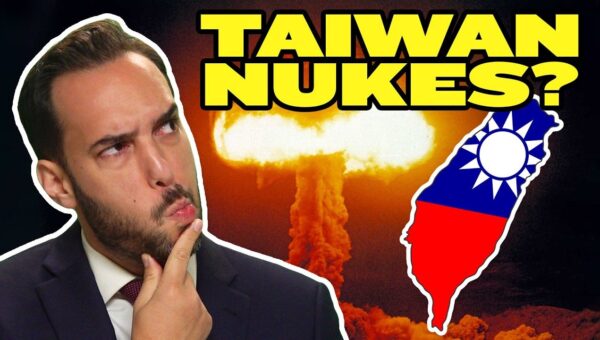
Taiwan’s Nuclear Dilemma: Deterrence or Disaster?
As China expands its nuclear arsenal and military presence, the question of whether Taiwan should possess nuclear weapons or host U.S. nuclear arms gains urgency. The debate weighs the potential for deterrence against the risks of escalation, drawing parallels to Ukraine's disarmament and Taiwan's own past nuclear ambitions.

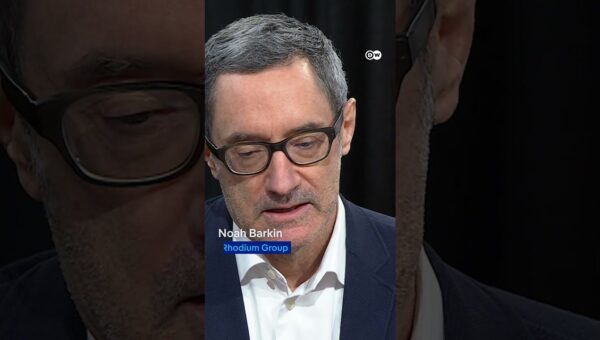
Germany Navigates Tricky US-China Balancing Act
Germany faces a complex geopolitical challenge, needing to balance its alliance with the US and its economic ties with China. Experts suggest a 'smart approach' focusing on diversification and strategic autonomy, rather than a forced choice, is the most viable path forward.