China’s Unrest Grows: Protests Surge Amid Economic Woes
China is seeing a rise in protests driven by economic problems. Retired workers, investors, and others are voicing their discontent. The case of journalist Zhang Zhan highlights the government's suppression of dissent amid this unrest.

China’s Unrest Grows: Protests Surge Amid Economic Woes
China is experiencing a noticeable rise in public protests, a trend largely fueled by growing economic difficulties. These demonstrations highlight widespread discontent among various groups facing financial hardship. Meanwhile, the plight of a jailed journalist sheds light on the government’s crackdown on dissent.
Jailed Journalist’s Health Declines
The lawyer for journalist Zhang Zhan was recently denied a visit to her in a Shanghai prison. Zhang has been imprisoned for 17 months. She has remained defiant and has gone on hunger strikes for extended periods. Human rights advocates report she is suffering from serious stomach issues. Zhang reported on the initial COVID-19 outbreak in Wuhan. She exposed the Chinese Communist Party’s efforts to cover up the early spread. For this reporting, she received two sentences, each lasting four years. She is currently serving her second sentence.
Retired Workers Protest Low Pensions
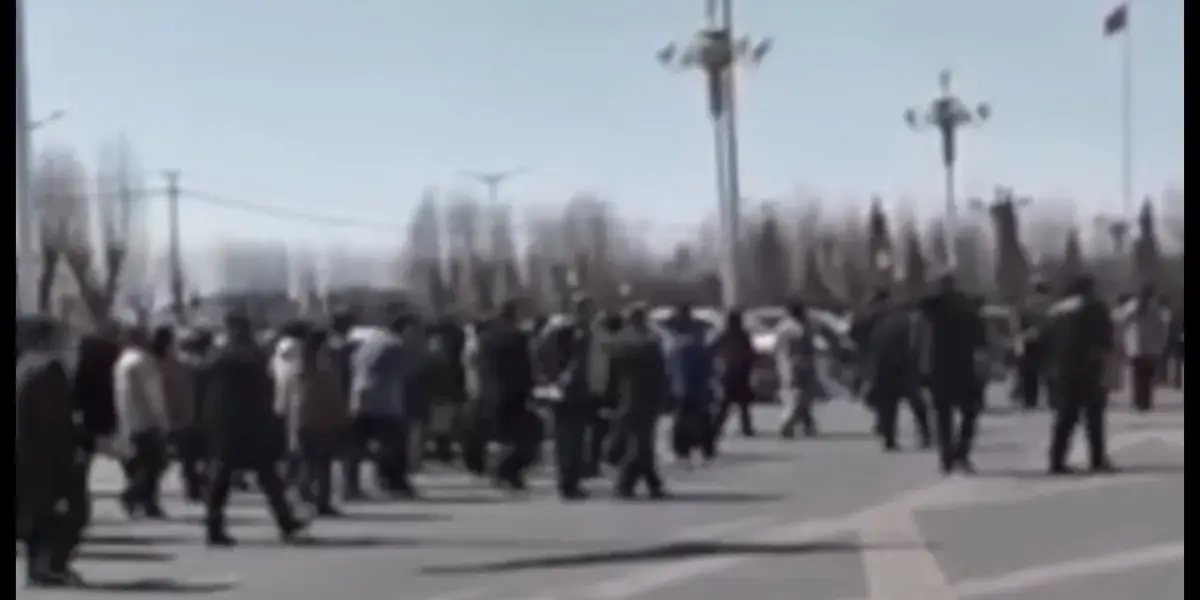
More than 200 retired workers from a stud farm in a northeastern Chinese city protested recently. They gathered in front of the county social security bureau. These workers stated their farm had only enrolled them in pension insurance. This left them with a yearly pension of just over a thousand yuan, about $150. They also lack medical coverage. The workers feel they have reached a point where survival is impossible. Living on $150 a year is extremely difficult, especially when the city’s minimum wage is $3,500 annually. This means the workers receive less than one-twentieth of the minimum wage.
Investors Demand Funds After E-commerce Collapse
Hundreds of investors gathered in Fujian Province, demanding their money back. They were affected by the failure of Golden Pier, the province’s largest e-commerce platform. The platform shut down in February, causing many investors to lose their savings. After trying unsuccessfully to get their money back, they protested outside city government offices. They are calling for financial compensation. While the e-commerce platform was not state-owned, investors argue the government should have provided better oversight. They also believe the government should act as a last resort for people to get their money back.
Why This Matters
The increase in protests across China signals growing public frustration with economic instability and social inequality. The cases of Zhang Zhan and the retired workers show how individuals and groups are suffering from government policies or lack of oversight. The investors’ protest highlights concerns about financial security and accountability in China’s rapidly changing economy. These events collectively suggest that economic hardship is becoming a significant driver of social unrest. The government faces increasing pressure to address these widespread concerns.
Historical Context and Background
China has a long history of protests, often triggered by economic grievances or perceived injustices. However, the government has historically maintained strict control over public expression and organized dissent. In recent decades, economic growth has often masked underlying social tensions. Now, as growth slows and economic challenges mount, these tensions are becoming more visible. The government’s response to these protests, whether through suppression or addressing the root causes, will shape China’s future social and political landscape. The current wave of protests, driven by specific economic issues like pensions and investment losses, represents a clear challenge to this control.
Implications, Trends, and Future Outlook
The rising frequency of protests suggests a shift in public willingness to voice discontent. This trend could put pressure on the Chinese government to implement more effective economic policies and social safety nets. The government may respond by increasing surveillance and control to prevent further unrest. Alternatively, it might be forced to make concessions to appease public anger. The future outlook likely involves a continued tension between the government’s desire for stability and the public’s growing demands for economic justice. We may see more localized protests focused on specific issues, potentially posing a challenge to national stability if they gain momentum.
Source: Mass Protests Become More Frequent In China (YouTube)

Related Articles


Vanity Over Voters: Officials Demand Photos Be Erased
White House spokesperson Karoline Leavitt reportedly demanded unflattering Thanksgiving photos be removed, highlighting a pattern of vanity within the administration. This focus on image contrasts sharply with the economic struggles faced by many Americans. The trend raises questions about leadership priorities and public trust.


Trump’s War Funding Betrays American Needs
Massive war funding is being pushed despite Donald Trump's promises to avoid such conflicts. This comes as Americans face a severe affordability crisis, highlighting a stark choice between funding foreign wars and addressing urgent domestic needs like healthcare and education.
Trump’s White House Ballroom: A Golden Elephant in the Room?
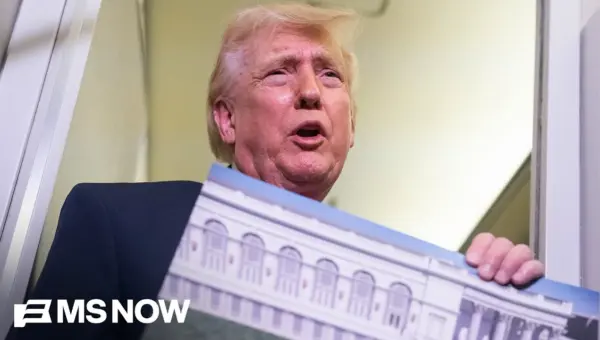
President Trump faces backlash for prioritizing a lavish White House ballroom expansion amid soaring gas prices and economic hardship for Americans. Critics question the project's funding, legal basis, and the administration's priorities while families struggle to afford basic needs.