China’s Strait Woes Show Iran’s Shifting Power Play
Iran's recent blockage of the Strait of Hormuz has put China's crucial oil imports at risk, revealing strains in Beijing-Tehran relations. Iran's assertive stance suggests a potential shift in regional power dynamics, forcing China to reconsider its energy security and foreign policy.

China’s Strait Woes Show Iran’s Shifting Power Play
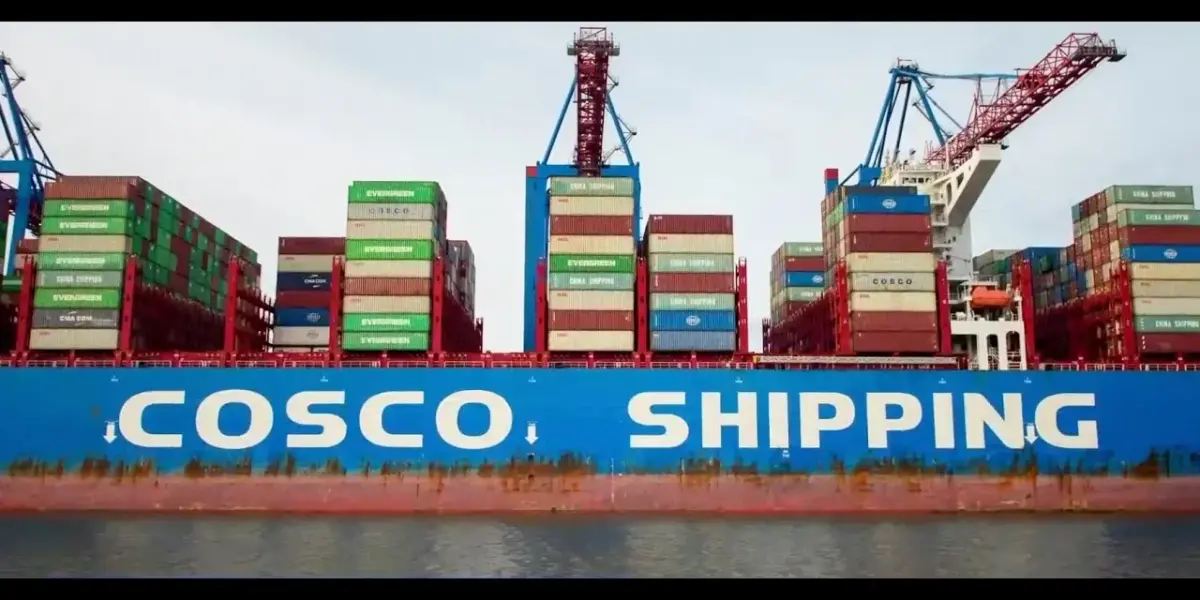
The Strait of Hormuz, a vital waterway for global oil shipments, has become a focal point of international tension. Recently, Iran blocked this crucial passage, citing ongoing conflicts between Israel and Lebanon. However, the White House has stated Lebanon was not part of any ceasefire deal, suggesting a more complex situation. Amidst this uncertainty, ships, including those belonging to China, are waiting for permission to pass, highlighting a growing strain in China-Iran relations.
The disruption at the Strait of Hormuz is more than just a logistical problem; it reflects a delicate balancing act for China. As a major importer of oil, China relies heavily on this route. Before the closure, Iran announced that ship owners needed to get permission from its government and follow specific paths to avoid sea mines. Furthermore, Iran warned that ships would face significant tolls, and China would not receive any special treatment. This suggests Iran is asserting its control and is not willing to bend rules for even its key trading partners.
A Test for Beijing’s Influence
The situation has become a test for China’s influence and its relationship with Iran. In the initial 24 hours after a supposed ceasefire, only a handful of ships were allowed through the strait, with a few of them being Chinese vessels. Many Chinese oil tankers were left waiting. This delay and the lack of special treatment for Chinese ships point to a potential shift in how Iran views its relationship with Beijing.
Analysts believe Iran might be using this situation to pressure China for more support. Some ships have even tried to claim they were Chinese-owned to avoid being targeted, but this strategy hasn’t always worked. Just a few weeks ago, two such ships were blocked. Even an oil tanker heading to China was reportedly attacked by Iran recently. Iran’s ambassador to China called for Beijing and Moscow to help ensure regional security, but neither country has publicly responded. This silence from China and Russia suggests they are hesitant to get more deeply involved.
Historical Context and Economic Stakes
China has historically been a significant buyer of Iran’s oil, especially after international sanctions made it difficult for Iran to sell its oil elsewhere. This trade has been a lifeline for Iran’s economy. For China, buying oil from Iran and Venezuela at lower prices has been crucial for its own economic health. Losing access to these cheaper supplies would mean China would have to pay higher global market prices, which could significantly impact its economy.
President Trump has acknowledged China’s role in ceasefire talks, underscoring Beijing’s influence over Iran. However, the current events at the Strait of Hormuz suggest that this influence might not be as strong as previously thought, or that Iran is willing to challenge it. A prolonged shutdown of the Strait of Hormuz could put nearly half of China’s oil imports at risk. This would not only drive up costs but also deal a blow to China’s economic stability.
Why This Matters
The events unfolding at the Strait of Hormuz are a stark reminder of the complex geopolitical forces at play in the Middle East. For China, the situation highlights the risks associated with its heavy reliance on imported oil and its complex relationships with oil-producing nations. Iran’s actions suggest it is seeking to exert greater control and potentially gain leverage over its international partners. This could signal a shift in regional power dynamics, where countries like Iran are becoming more assertive in protecting their interests, even if it means disrupting global trade routes.
Implications and Future Outlook
The future outlook remains uncertain. The effectiveness of the ceasefire deal between Iran and other parties will likely determine the immediate future of the Strait of Hormuz. However, the underlying tensions and Iran’s assertiveness suggest that such disruptions could become more frequent. For China, this situation underscores the need to diversify its energy sources and re-evaluate its diplomatic strategies in volatile regions. The strained relationship with Iran, despite their economic ties, could force Beijing to adopt a more cautious approach to foreign policy, especially concerning its energy security. The global economy, heavily dependent on the smooth flow of oil, will continue to watch these developments closely, as any prolonged blockage could have far-reaching economic consequences for nations worldwide.
Source: Chinese Vessels Await 'OK' to Transit Strait of Hormuz (YouTube)

Related Articles


VP Vance Leads Crucial Iran Talks Amidst Complex Challenges
Vice President Vance is leading critical U.S. negotiations with Iran in Pakistan, aiming to end a regional conflict. The talks face significant hurdles, including ongoing Israeli actions in Lebanon and disruptions in the Strait of Hormuz, which Iran increasingly controls. Internal White House dynamics and unclear negotiating instructions add further complexity to the high-stakes discussions.
Trump Pivots to Business with Iran Amidst Global Chaos
Amidst confusing reports from Iran, Donald Trump has shifted focus to a potential business deal involving the Strait of Hormuz. His suggestion of a "joint venture" with Iran has drawn criticism for prioritizing potential personal profit over complex geopolitical issues.
Trump’s Iran Policy Strengthened Hardliners, Experts Say
Experts argue that former President Trump's "maximum pressure" policy against Iran inadvertently strengthened hardliners and made the country more determined to pursue nuclear capabilities. The analysis highlights missed diplomatic opportunities and the unintended consequences of military action, suggesting a need for more nuanced strategies.