China’s Silent Stance on Iran Conflict Puzzles Global Markets
China maintains a quiet stance on the escalating Middle East crisis, prioritizing economic stability and its long-term strategy to counter U.S. influence. Despite heavy reliance on Iranian oil, Beijing offers diplomatic statements while pressuring Tehran to keep key shipping lanes open.

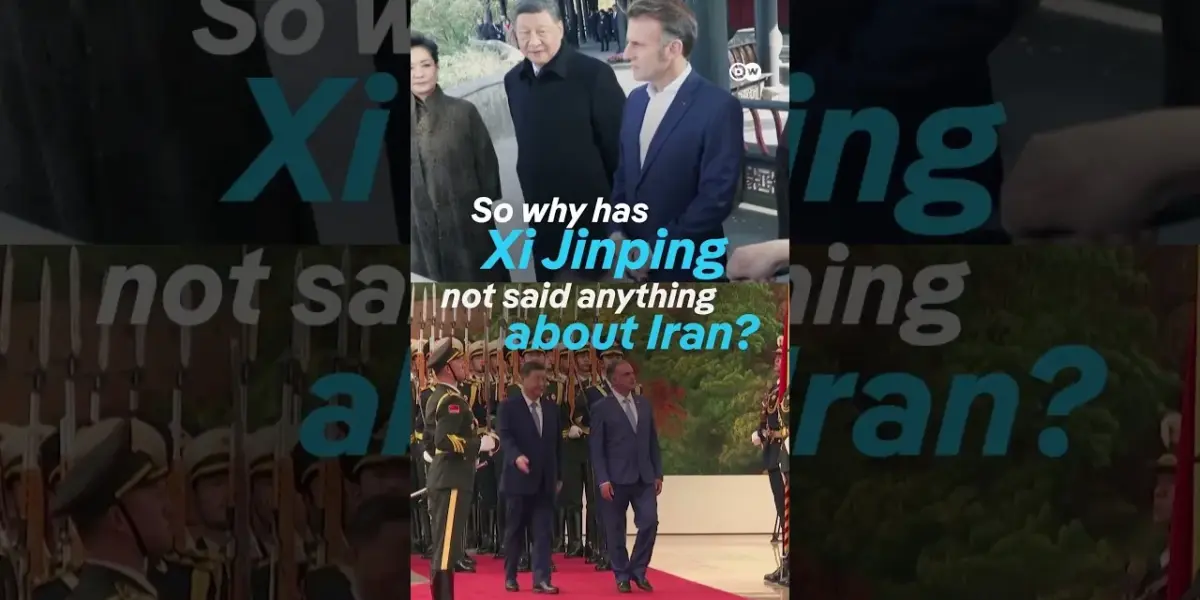
Beijing’s Ambiguous Response to Middle East Tensions
Beijing, China – In the wake of escalating tensions in the Middle East, China’s typically assertive leadership has adopted a notably quiet stance regarding its long-standing relationship with Iran. Despite Iran being a crucial energy partner, with approximately 90% of its oil exports destined for China, President Xi Jinping’s administration has offered little more than diplomatic statements in response to the growing instability. This subdued reaction has left international observers and market analysts questioning Beijing’s strategic calculus as global energy prices begin to surge.
Economic Stakes for China
The potential disruption of oil flows from Iran, particularly through vital chokepoints like the Strait of Hormuz, poses a significant economic challenge for China. As the world’s largest oil importer, Beijing is highly sensitive to fluctuations in global energy prices. The ongoing conflict in the Middle East directly threatens to exacerbate inflationary pressures, a concern that appears to be a primary driver behind China’s cautious approach. Sources suggest that while China has issued ‘stern statements,’ its actions have not translated into substantive support for Iran. Instead, reports indicate that Beijing is exerting pressure on Tehran to ensure the continued openness of the Strait of Hormuz, prioritizing the stability of global energy markets over a more robust diplomatic intervention.
Strategic Calculations Beyond Diplomacy
The apparent disconnect between China’s traditionally warm diplomatic rhetoric towards Iran and its current passive response is a subject of intense speculation. While official statements often describe the relationship as one of ‘very close friendship and partnership,’ the underlying dynamic is widely perceived as opportunistic. For China, the overarching geopolitical objective remains the weakening of the United States’ relative global standing. This long-term strategy dictates a preference for observing and capitalizing on international events rather than immediate, reactive engagement.
“Even when those big geopolitical shocks spark speculation about what China will do next, especially when it comes to Taiwan, Beijing prefers long-term planning over reacting to global crisis.”
The ‘Steady Hand’ in Geopolitical Games
China’s strategy of observing global crises unfold, particularly those involving the U.S., allows it to project an image of stability and control. By refraining from immediate reactions to events such as perceived U.S. aggressions or political upheavals in other nations, Beijing positions itself as a steady, predictable player in the complex arena of great power politics. This approach is not limited to the Middle East; it is a consistent theme in China’s foreign policy, influencing its considerations on issues ranging from regional security to global economic governance.
Opportunism and the U.S. Factor
The transcript highlights a key aspect of China’s foreign policy: its tendency to benefit from or be emboldened by actions taken by the United States that may be perceived negatively on the world stage. When the U.S. engages in actions that draw international criticism or create geopolitical instability, China often adopts a ‘sit back and watch’ approach. This allows Beijing to assess the fallout, identify potential strategic advantages, and formulate a long-term response that aligns with its ultimate goal of enhancing its own global influence at the expense of rivals.
Implications for Future Global Dynamics
China’s measured and seemingly detached response to the Iran crisis underscores its commitment to a strategic, long-term vision. This approach, while potentially beneficial for managing immediate economic concerns like inflation, also signals a broader strategy of playing the long game in international relations. As the global landscape continues to shift, China’s ability to remain steady and strategically patient while its competitors react may prove to be a significant advantage in the ongoing reordering of global power.
Looking Ahead
The world will be watching closely to see if China’s current quiet diplomacy evolves into more active engagement as the situation in the Middle East develops. Key indicators will include any shifts in its energy policy, its participation in multilateral diplomatic efforts, and its rhetoric concerning the Strait of Hormuz. How Beijing navigates this complex geopolitical juncture will undoubtedly offer further insights into its strategic priorities and its evolving role on the global stage.
Source: Why China is staying quiet on Iran | DW News (YouTube)

Related Articles

Iran Defends Strikes: ‘Collateral Damage’ in Regional Conflict
Iran's Foreign Minister has described civilian casualties in neighboring countries as "collateral damage," asserting that Iran's targets are solely U.S. installations. He warned that such outcomes are an unfortunate but possible consequence of war, drawing parallels to the situation in Gaza.


Iran’s Elite: Wealth Hoarding Fuels Regime’s Grip
Iran's ruling elite consolidates power through a pervasive system of nepotism known as 'agazade,' where the children of officials control lucrative state-linked industries. This practice exacerbates economic disparity and creates a challenging landscape for genuine private sector growth.


Iran War Expands: US Sinks Ship, 15 Nations Hit
The war with Iran entered its sixth day on March 5, 2026, with strikes impacting 15 nations as a U.S. submarine sank an Iranian ship. President Trump hailed the success, while a new poll shows a divided American public. Thousands of Americans remain stranded in the Middle East amidst escalating conflict.