China’s Shadow Reach: Nonprofits Under Scrutiny
US lawmakers are investigating whether Chinese Communist Party influence is reaching American nonprofits. Concerns center on tax-exempt groups potentially engaging in political activities for Beijing. Similar alarms are being raised in the UK regarding a group with ties to alleged spies and CCP elites.

Lawmakers Sound Alarm on Foreign Influence in US Charities
American lawmakers are raising serious concerns about the Chinese Communist Party (CCP) potentially using tax-exempt organizations to influence U.S. politics. Two key House committee chairmen have sent letters to the Treasury Department and the IRS. They worry that some nonprofit groups, which are legally banned from political campaigning, might be secretly working for Beijing’s interests.
These tax-exempt groups are supposed to focus on charitable or educational work, not political action. However, a New York Times investigation found that at least 53 nonprofit groups may have crossed this line. Some of these groups reportedly endorsed political candidates or held fundraisers. This happened even after they told the IRS they were not involved in politics.
The lawmakers warn that these groups have been working behind the scenes. They allegedly helped stop the careers of politicians who opposed China’s government. At the same time, they supported politicians who favored policies aligned with the CCP. This suggests a coordinated effort to shape American political outcomes.
The ‘United Front’ Strategy
At the heart of these concerns is a strategy the CCP calls the “United Front.” Officials describe it as a complex mix of outreach, influence operations, and intelligence gathering. Its goal is to shape China’s own political environment and sway the policies of other countries.
The lawmakers believe the CCP uses “United Front” organizations, proxies, and intermediaries. These entities are tasked with carrying out political activities. These activities aim to manipulate democratic institutions and advance the CCP’s agenda. This approach allows Beijing to exert influence subtly, often through organizations that appear to be independent.
Concerns Extend to the UK
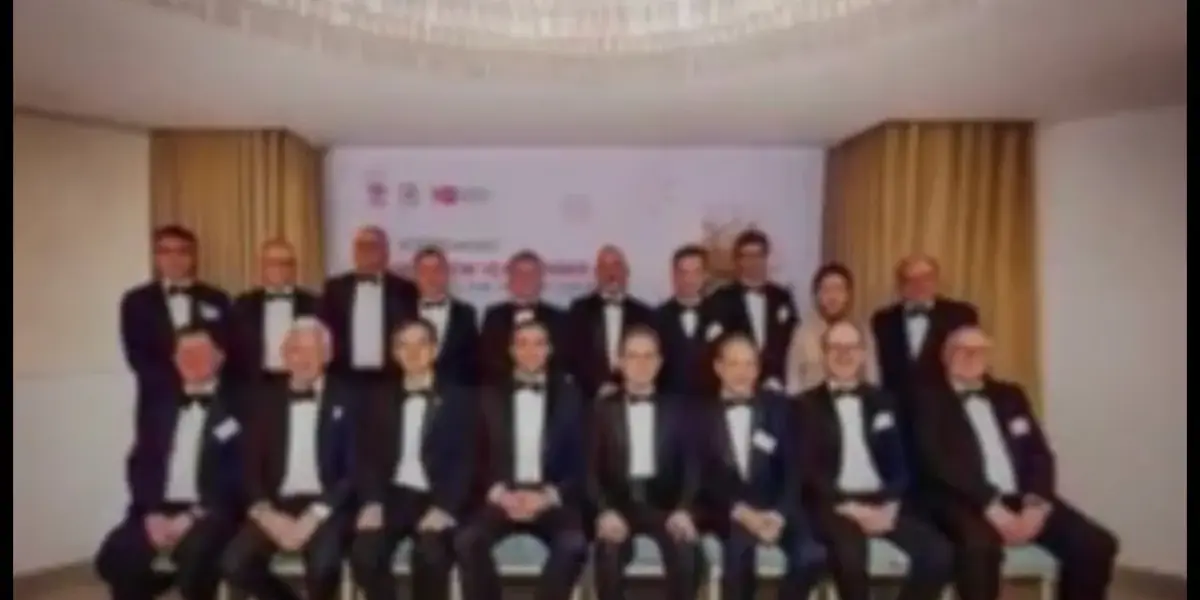
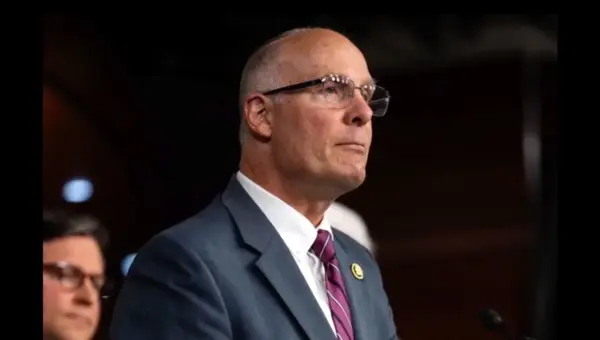
These worries are not confined to the United States. A separate letter sent to UK officials highlights similar issues. U.S. Congressman John Mullinar and Senator Jeff Merkley joined forces with British lawmakers Ian Duncan Smith and Sarah Champion. They are sounding the alarm about a British organization called the 48 Group Club.
The letter points to the group’s past ties to an individual identified as an alleged spy. His presence, the lawmakers wrote, posed a threat to national security. They are questioning how this individual was allowed to be part of the organization and what influence he might have wielded.
The lawmakers suggest the 48 Group Club’s network includes people connected to the Chinese regime and state-owned companies. They describe it as a hub for networking and connecting with “friends of China.” Through this group, Beijing may be cultivating influential figures in Britain.
A review of the 48 Group Club’s membership list, according to the letter, reads like a directory of CCP political and business elites. It includes former senior officials, diplomats, and top regulators from various Chinese government bodies and state-linked institutions.
Demands for Transparency
Now, these lawmakers are demanding answers. In the U.S., they have requested a briefing from the IRS. They want to know what enforcement actions are being taken against tax-exempt groups linked to foreign influence operations. The goal is to understand how the IRS is monitoring and addressing these potential threats.
In the UK, the demand is for the 48 Group Club to provide internal records. They want details on how members were vetted. Specific information is sought regarding the admission of the alleged spy. Any contracts or agreements with individuals or entities linked to the CCP are also requested. Both letters have set a deadline of April 22nd for responses.
Why This Matters
This situation highlights a critical challenge for democratic nations. It’s about protecting the integrity of political systems from foreign interference. Nonprofits, often seen as pillars of civil society, could be exploited for political gain. The CCP’s use of the United Front strategy shows a sophisticated approach to extending its influence globally.
The potential for foreign powers to manipulate domestic politics through seemingly legitimate organizations is a serious threat. It can undermine public trust and distort democratic processes. Lawmakers are stepping in to demand greater transparency and accountability from both the organizations themselves and the regulatory bodies overseeing them.
Historical Context and Trends
Concerns about foreign influence in politics are not new. Throughout history, nations have attempted to sway the decisions of other countries through various means. However, the modern era, with its interconnected global networks and sophisticated communication tools, presents new challenges.
The CCP’s approach has evolved over time. Initially, influence might have been more overt. Now, it often operates through subtler channels, like think tanks, academic institutions, and, as alleged here, nonprofit organizations. This strategy aims to build goodwill, gather intelligence, and promote narratives favorable to Beijing.
The United Front work is a long-standing CCP policy, dating back decades. It has been adapted to contemporary conditions, focusing on winning over influential individuals and groups abroad. This includes business leaders, academics, former officials, and, potentially, staff and board members of nonprofits.
Future Outlook
The letters sent by lawmakers are a strong signal. They indicate a growing determination to address foreign influence. We can expect increased scrutiny of tax-exempt organizations with international ties. Regulatory bodies like the IRS may face pressure to strengthen enforcement and update guidelines.
International cooperation, as seen with the UK lawmakers’ involvement, is likely to become more common. Democracies are recognizing that foreign influence campaigns often cross borders. Working together can help identify and counter these threats more effectively. The push for transparency regarding funding, affiliations, and activities of such organizations will likely intensify.
Ultimately, the goal is to safeguard democratic institutions. This involves ensuring that foreign entities cannot secretly manipulate political discourse or policy decisions. The current actions suggest a turning point, where a more assertive stance against covert foreign influence is being taken.
Source: Lawmakers Warn of CCP Influence in US Nonprofits (YouTube)

Related Articles
China’s Shadow: Nonprofit Groups Under Fire
Top Republican lawmakers are calling for an investigation into tax-exempt organizations allegedly linked to China's Communist Party. These groups may be violating federal law by endorsing candidates and raising money, potentially interfering in U.S. politics.
China’s Shadow Play: Tax Exempt Groups Face Scrutiny
A House committee is investigating tax-exempt groups with alleged ties to the Chinese Communist Party (CCP). The concern is that these organizations may be used for political influence in the U.S., potentially violating their tax-exempt status. This action highlights growing worries about foreign interference in American politics.


Americans Protest Taxes: War, Policy Drive Tax Resistance
A growing number of Americans are refusing to pay federal income taxes as a form of protest against U.S. foreign policy and domestic issues. Known as war tax resistance, this movement has seen a surge in interest, with organizations offering guidance on how to participate. However, experts warn that avoiding tax payments can lead to severe legal penalties, including fines and potential jail time.