China’s Shadow Play: Tax Exempt Groups Face Scrutiny
A House committee is investigating tax-exempt groups with alleged ties to the Chinese Communist Party (CCP). The concern is that these organizations may be used for political influence in the U.S., potentially violating their tax-exempt status. This action highlights growing worries about foreign interference in American politics.

China’s Shadow Play: Tax Exempt Groups Face Scrutiny
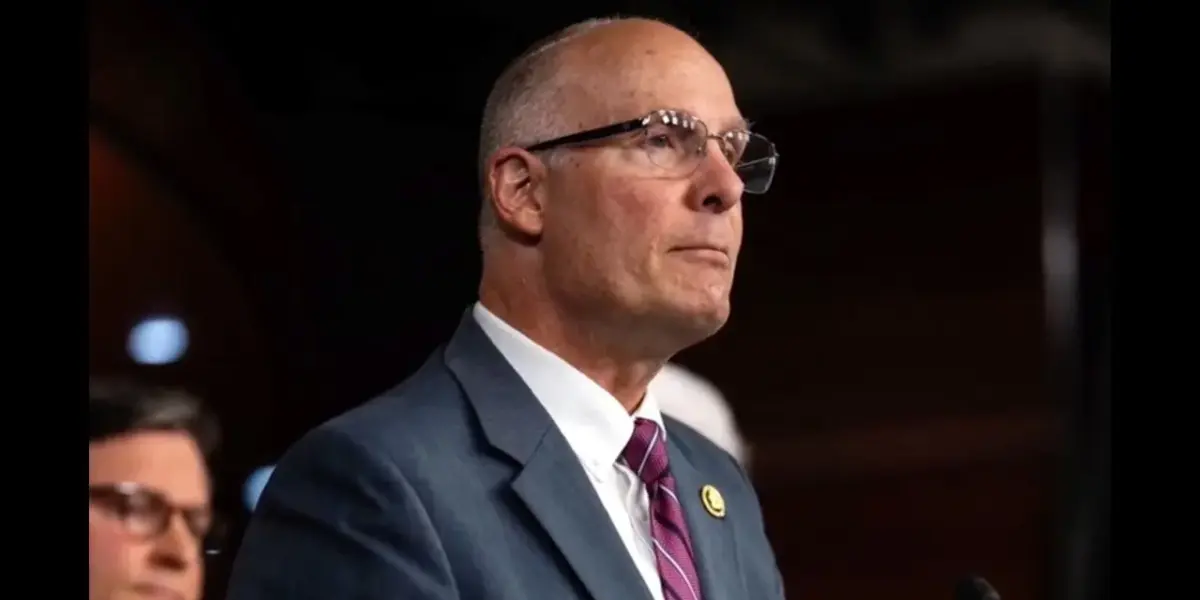
A key House committee is asking the government to investigate tax-exempt groups that might be connected to the Chinese Communist Party (CCP). The House Select Committee on China wants the Treasury Secretary and the IRS to look closely at these organizations. Their main concern is that the CCP could be using these groups, which are supposed to be for charitable or public good, to do political work in the United States.
The committee’s chairman, Congressman John Moolenaar, sent a letter to Treasury Secretary Janet Yellen. He pointed to a report from The New York Times. This investigation found at least 53 groups with links to the CCP. These groups have reportedly backed or raised money for political candidates in the U.S. This is a serious charge, suggesting foreign influence in American elections through a loophole in tax law.
Moolenaar highlighted a specific incident in New York. There, reports suggest Chinese agents threatened a congressional candidate. This event seems to fit a larger pattern of behavior. The House committee believes this is part of the CCP’s strategy known as the “United Front.” This strategy aims to shape policies in other countries, including the United States, in ways that benefit China.
What is the United Front?
The United Front is not a new tactic. It’s been a long-standing strategy of the CCP. Think of it like a broad coalition of groups that the party can influence or control. These groups can include businesses, academic institutions, and, as the committee is now highlighting, non-profit organizations. The goal is to gather support, gather information, and influence public opinion and political decisions abroad without appearing to be direct government interference.
By using tax-exempt organizations, the CCP might be trying to operate under the radar. These groups often have a public image of doing good work. This makes it harder for outsiders to see any potential political agenda. In the U.S., tax-exempt status is given to groups that serve a public purpose. This status allows them to avoid paying taxes and often receive tax-deductible donations. This is a privilege that the committee believes is being abused.
Why This Matters
This issue matters because it touches on the integrity of American democracy and its political processes. Tax-exempt status is a benefit granted by the U.S. government. It is meant to support organizations that serve the public good, not to be a tool for foreign governments to influence elections or policy. If foreign entities are using this system to gain political advantage, it undermines the fairness of our elections and the independence of our policy-making.
The committee’s action signals a growing concern among lawmakers about foreign influence. It’s not just about China; similar concerns have been raised about other countries in the past. However, the scale and sophistication of China’s efforts are often highlighted. This investigation could lead to new regulations or stricter enforcement to prevent such abuses in the future.
Historical Context and Background
Concerns about foreign influence in U.S. politics are not new. Throughout history, foreign powers have attempted to sway American public opinion and policy. However, the digital age and globalized economy have created new avenues for such influence. The CCP’s approach has evolved, becoming more subtle and widespread. The United Front work, while dating back decades, is now being amplified by modern communication tools and complex financial networks.
The IRS has a role in overseeing tax-exempt organizations. They are responsible for ensuring these groups follow the rules. However, investigations into foreign influence can be complex and resource-intensive. The committee’s push is meant to bring more attention and resources to this specific area of concern. It highlights a potential blind spot in how these organizations are monitored.
Implications, Trends, and Future Outlook
If the committee’s concerns are validated, we could see significant changes. The IRS might increase its scrutiny of tax-exempt groups with international ties. New rules could be introduced to require greater transparency about foreign funding or influence. This could affect how many non-profit organizations operate, especially those that receive support from abroad.
This trend of examining foreign influence in non-profits is likely to continue. Lawmakers are becoming more aware of these potential vulnerabilities. The focus on China is particularly strong due to geopolitical tensions. We might see more investigations and calls for action. The future could involve a tougher stance on foreign political spending, whether direct or indirect, through various organizations.
Ultimately, the goal is to protect the integrity of the American political system. This requires vigilance and a willingness to adapt. The House committee’s inquiry is a significant step in that direction. It forces a conversation about who is influencing our politics and how they are doing it. The public deserves to know that their government is working to prevent foreign interference.
Source: House Panel Examines Tax Exempt Groups Linked to CCP (YouTube)

Related Articles
House Republicans Block Iran War Powers Vote
House Republicans blocked a Democratic effort to limit U.S. military action in Iran, intensifying political debate. Meanwhile, discussions on funding for the Department of Homeland Security are ongoing, with reconciliation being explored as a legislative path forward amidst geopolitical tensions with Iran.
Trump’s Inner Circle Calls for Removal Amidst Chaotic Statements
Prominent Trump allies like Candace Owens and Marjorie Taylor Greene are publicly questioning Donald Trump's mental fitness and calling for the 25th Amendment to be invoked. This follows Trump's own attacks on these figures, creating a significant rift within his base. Concerns are mounting over erratic statements and decision-making, particularly regarding foreign policy, leading to calls for his immediate medical evaluation.
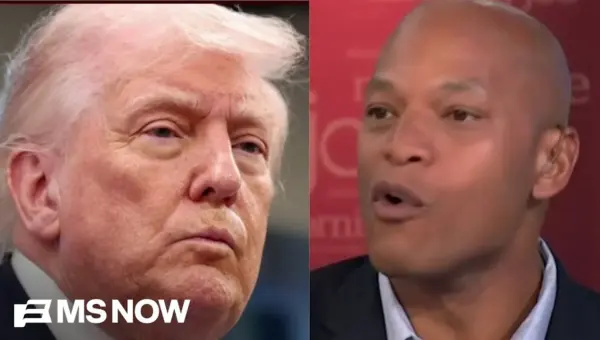
Gov. Moore Blasts GOP Silence on Trump’s Provocative Iran Posts
Maryland Governor Wes Moore urged Republican lawmakers to remember their oath to the Constitution, not President Trump, amid his provocative posts about Iran. Moore, a combat veteran, criticized the reliance on military power for regional stability and drew parallels to historical conflicts where adversaries could simply wait out U.S. involvement.