China’s Shadow: Nonprofit Groups Under Fire
Top Republican lawmakers are calling for an investigation into tax-exempt organizations allegedly linked to China's Communist Party. These groups may be violating federal law by endorsing candidates and raising money, potentially interfering in U.S. politics.

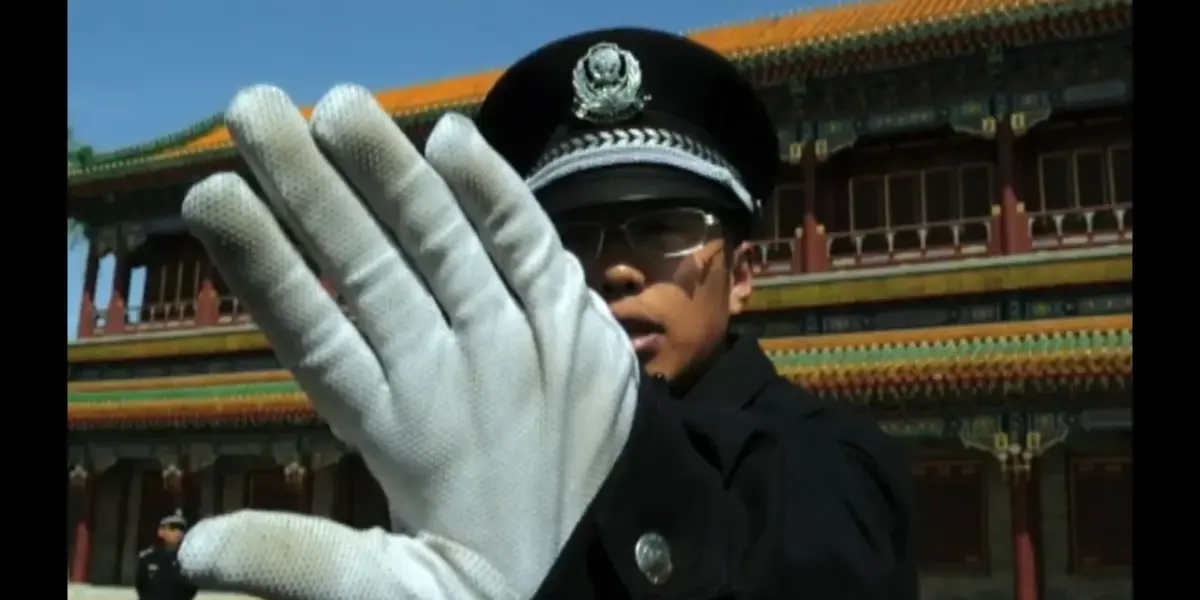
CCP-Linked Nonprofits Face Growing Scrutiny
Top Republican lawmakers are raising serious concerns about the Chinese Communist Party’s (CCP) reach within the United States. They are urging the Treasury Department and the IRS to investigate tax-exempt organizations that may have ties to Beijing. The focus is on groups potentially using their nonprofit status to influence American politics.
Allegations of Political Interference
House Republicans, including the Chairman of the House Select Committee on China, are warning that organizations linked to the CCP’s United Front Network might be exploiting their legal status. This network is known for its efforts to influence foreign opinion and policy. Lawmakers fear these groups could be actively interfering in U.S. elections and political discussions.
Evidence from Investigations
A report by The New York Times uncovered that at least 53 of these organizations have publicly endorsed political candidates or raised money for them. This activity could be a direct violation of federal law. Such actions by tax-exempt groups are typically prohibited, especially when they involve foreign influence.
Silencing Critics and Influencing Debate
Beyond campaign involvement, lawmakers also point to evidence suggesting some of these groups have been used to pressure or silence individuals critical of the Chinese government. This includes political candidates who have spoken out against the CCP. The goal appears to be shaping public opinion and limiting dissent within the U.S.
Broader Trend of Foreign Influence Awareness
These concerns arise at a time when Congress is increasing its focus on foreign influence operations that target American institutions. Lawmakers are becoming more aware of how foreign powers might try to sway public opinion, affect elections, or undermine democratic processes. This heightened awareness is leading to more proactive investigations and demands for transparency.
Demands for Action and Transparency
In response to these allegations, the lawmakers are demanding a formal briefing. They want to know by April 22nd what specific steps the IRS is taking to address these potential threats. This call for action highlights a desire for accountability and a clearer understanding of how these organizations operate under U.S. law.
Why This Matters
The core issue here is the integrity of American democracy and its political processes. Tax-exempt status is granted with the understanding that these organizations serve a public good, not to act as fronts for foreign governments seeking to influence elections or suppress free speech. If these allegations are true, it means foreign entities could be operating within the U.S., using a loophole to meddle in sensitive political matters. This raises questions about national security and the fairness of our elections. It also puts pressure on regulatory bodies like the IRS to effectively monitor and enforce laws designed to prevent such foreign interference.
Historical Context and Background
The United Front Work Department of the CCP has a long history of engaging with overseas Chinese communities and foreign individuals. Its stated goal is to build support for Beijing’s policies and counter criticism. In the past, such efforts were often subtle, focusing on cultural exchanges or business ties. However, recent years have seen a more assertive approach, with allegations of direct political involvement becoming more frequent. This shift reflects a broader change in China’s foreign policy, becoming more outward-looking and assertive on the global stage.
Implications and Future Outlook
The immediate implication is increased pressure on the IRS and Treasury Department to investigate these organizations thoroughly. If violations are found, these groups could face penalties, including the loss of their tax-exempt status. Looking ahead, this situation could lead to stricter regulations on nonprofit organizations with foreign ties. Congress may consider new legislation to close loopholes that allow for foreign political interference. The trend suggests a future where scrutiny of foreign influence in U.S. politics will likely intensify, demanding greater transparency from all organizations operating within the country, especially those with potential links to foreign governments. The debate will likely continue over how to balance protecting democratic processes with allowing legitimate international engagement.
Source: Lawmakers Urge Probe of CCP-Linked Nonprofits (YouTube)

Related Articles
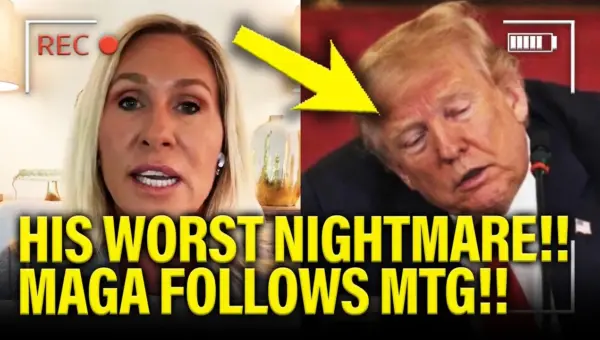
MTG Turns on Trump: Is MAGA’s Reign Over?
Marjorie Taylor Greene has launched a strong attack against Donald Trump, calling for his impeachment and the use of the 25th Amendment. Citing policy failures and character changes, Greene's criticisms echo sentiments from other conservative figures, suggesting a potential fracturing of the MAGA movement and raising questions about Trump's future influence.
Economy Plunges While Distractions Dominate Trump’s Presidency
A deep dive into President Trump's administration reveals a concerning trend: economic struggles are being overshadowed by distractions. The analysis argues that a consistent refusal to adapt, seen in past business failures, is hindering progress and impacting Americans' ability to afford basic necessities.

Canada Cedes Ground to Beijing’s Influence
Canadian lawmaker Garnet Jennis condemns the cancellation of Shen Yun performances due to foreign interference. He argues these events are a threat to Canada's sovereignty and artistic freedom, calling for stronger action against Beijing's influence.