China’s Shadow Broker: Unpacking Zhang Guoqing’s Iran Gambit
Zhang Guoqing, a key figure in Xi Jinping's inner circle, has deep ties to China's military-industrial complex and Iran. His background at NORINCO and early work in Tehran position him at the center of evolving China-Iran military cooperation. The current conflict in Iran serves as a crucial test for Chinese weapons technology and Beijing's Middle East strategy.

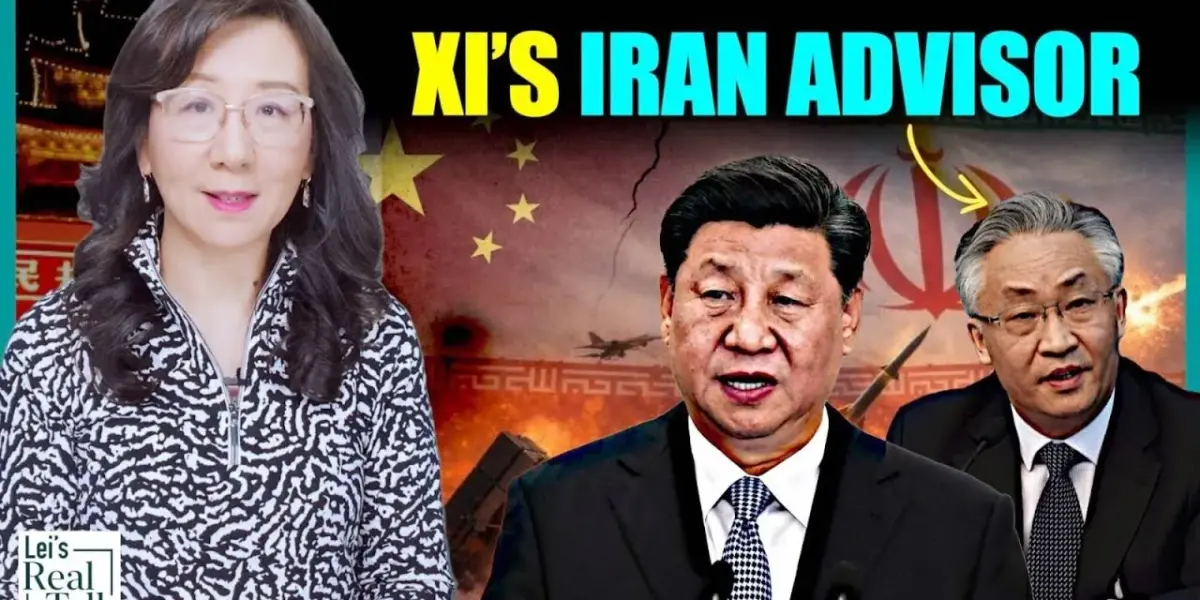
China’s Shadow Broker: Unpacking Zhang Guoqing’s Iran Gambit
As the conflict in Iran continues to reverberate across the global stage, a complex picture of behind-the-scenes involvement is emerging. At the heart of this intricate web lies Zhang Guoqing, a prominent figure within China’s political and military apparatus. His ascent to Xi Jinping’s inner circle and his deep-seated connections to the China-Iran military relationship are drawing increasing scrutiny, particularly as the ongoing conflict tests both Chinese weaponry and Beijing’s broader Middle East strategy.
The Architect of Arms: Zhang Guoqing’s Rise
Zhang Guoqing’s career trajectory offers a compelling case study in the fusion of state industry and political power in China. Before becoming a key player in national politics as a vice premier and Politburo member, Zhang spent decades immersed in China’s formidable military-industrial complex. His tenure at NORINCO, the nation’s primary state-owned arms exporter, provided him with an intimate understanding of the global arms market and the intricate dance of international defense cooperation. This foundational experience was not confined to China’s borders; Zhang’s past work in Tehran during the nascent stages of China-Iran defense collaboration underscores a long-standing engagement with the Islamic Republic.
This background is crucial. It suggests that Zhang’s involvement in contemporary China-Iran military ties is not a recent development, but rather a continuation of relationships and expertise cultivated over many years. His deep roots in the military-industrial sector mean he likely possesses a nuanced understanding of the technological capabilities, strategic implications, and potential diplomatic ramifications of such partnerships. His promotion into Xi Jinping’s inner circle, therefore, can be seen not just as a political reward, but as a strategic placement of an individual with specific, valuable experience relevant to China’s foreign policy objectives, particularly in regions of strategic importance like the Middle East.
The Iran Connection: A Deepening Alliance?
The relationship between China and Iran, particularly on the military front, has been a subject of quiet observation for years. While often overshadowed by other geopolitical developments, the steady flow of Chinese arms and technology to Iran has been a consistent feature. Zhang Guoqing’s personal history with NORINCO and his direct experience in Iran during early defense cooperation initiatives place him at the nexus of this enduring partnership. His influence within Beijing likely facilitates and potentially steers the nature and extent of this military collaboration.
The current conflict in Iran serves as a critical inflection point. It presents a real-world testing ground for Chinese-made weapons systems. Reports and analyses of military engagements, if they involve Chinese equipment, can provide invaluable data for Beijing regarding the performance, reliability, and effectiveness of its arms. This information is not just for domestic military improvement; it also shapes China’s reputation as an arms supplier on the international stage. A successful deployment of Chinese weaponry could boost its standing, while failures could tarnish its image and impact future sales.
Testing Beijing’s Strategy in the Middle East
Beyond the specifics of arms sales and military technology, the Iran conflict also poses a significant challenge to China’s broader strategy in the Middle East. Beijing has long espoused a policy of non-interference and has sought to position itself as a neutral mediator in regional disputes. However, its deepening economic and military ties with Iran, especially under the shadow of international sanctions, complicate this narrative.
China’s approach to the Middle East is driven by a confluence of economic interests (particularly energy security) and a desire to expand its global influence. The Belt and Road Initiative, for example, has seen significant investment in the region. However, maintaining stable relationships with multiple regional powers, including those at odds with Iran, presents a delicate balancing act. The current conflict, with its potential for escalation and wider regional destabilization, forces Beijing to navigate these complex relationships carefully. Zhang Guoqing’s role, given his background, suggests that China’s engagement with Iran is likely more than just transactional; it is deeply intertwined with its strategic vision for the region.
Historical Context and Future Outlook
The China-Iran relationship has evolved significantly since the 1979 Iranian Revolution. Initially, diplomatic relations were established, and trade, including some military components, began to flow. However, it was in the post-9/11 era, and particularly following the imposition of international sanctions on Iran, that the relationship became more strategically significant for Beijing. Iran, facing isolation from Western markets, found a willing partner in China, which sought resources and strategic leverage.
Zhang Guoqing’s career mirrors this evolution. His early work in Tehran predates the most stringent sanctions regimes, suggesting a long-term view of China’s engagement with Iran. His rise within the Communist Party’s hierarchy indicates that this engagement is now a recognized and supported element of China’s foreign policy. The current conflict is likely to accelerate the trend of China becoming a more prominent player in the region’s security dynamics, whether through direct military support or indirect influence.
The future outlook suggests that China’s role in the Middle East will continue to be multifaceted. While Beijing will likely maintain its rhetoric of peace and stability, its actions, particularly those influenced by figures like Zhang Guoqing, may increasingly involve deeper security partnerships. The effectiveness and implications of Chinese military technology tested in the current conflict will be closely watched, potentially reshaping global arms markets and China’s geopolitical standing. The success or failure of Beijing’s strategy in managing its relationship with Iran amidst ongoing conflict will be a key indicator of its growing assertiveness and its ability to navigate complex international security challenges.
Why This Matters
The involvement of key figures like Zhang Guoqing in shaping China-Iran military ties is not merely an academic exercise in geopolitical analysis. It has tangible implications for global security, regional stability, and the international arms trade. Understanding the motivations, capabilities, and strategic objectives behind these relationships is crucial for policymakers, defense analysts, and the global public alike. Zhang’s background highlights how China is leveraging experienced individuals from its state-owned enterprises to advance its foreign policy and national security interests. The testing of Chinese weaponry in a real-world conflict scenario could have profound effects on the global arms market, potentially shifting power dynamics and influencing the procurement decisions of other nations. Furthermore, Beijing’s ability to balance its strategic partnership with Iran against its broader economic and diplomatic interests in the Middle East will be a critical test of its rising global influence and its capacity to manage complex, often contradictory, international relations.
Source: Inside Xi’s Circle: The Man Behind China–Iran Military Ties (YouTube)

Related Articles


Trump’s Iran War Fails to Win Public Support
New polls reveal a significant drop in public approval for Donald Trump's handling of Iran, with 64% disapproval. This low starting point contrasts sharply with past conflicts and suggests potential challenges ahead for the administration.
Ex-Intel Officer Warns: Trump’s Iran Policy Risks Escalation
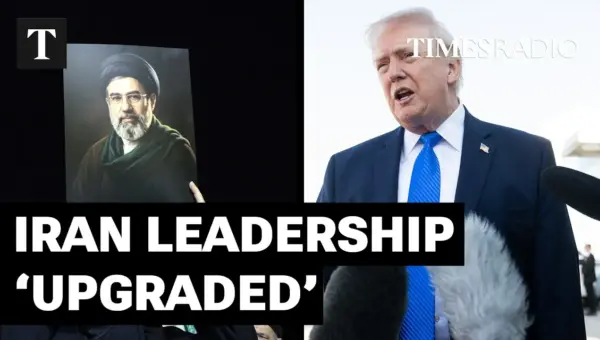
Former US Navy intelligence officer Malcolm Nance warns that President Trump's rhetoric and strategic decisions regarding Iran are dangerously misguided. Nance highlights the extensive combat experience of Iran's Supreme Leader and criticizes the unpreparedness of US amphibious operations, fearing potential escalation.
Trump Blunders Into Iran Conflict, Lacks Strategy
Journalist David Cay Johnston argues that President Trump lacks a clear strategy in dealing with Iran, driven by falling poll numbers and personal ambition. Johnston warns of potential disaster, citing Trump's inexperience and the dangerous influence of Christian nationalism on U.S. policy.