China’s Rise Challenges US Hegemony, Sparks Debate
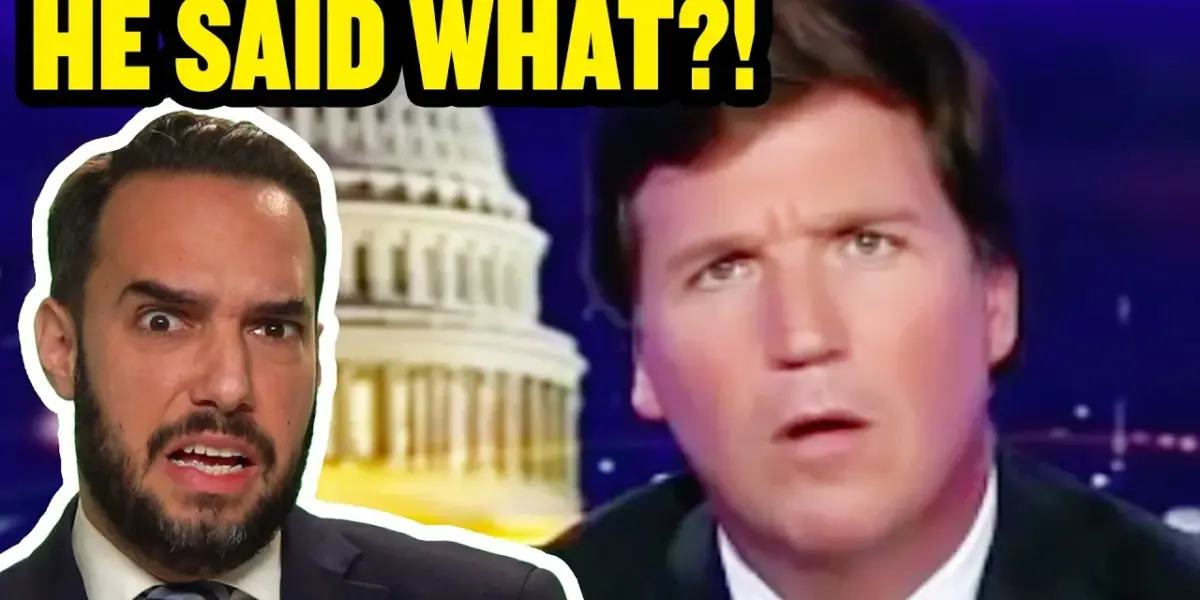
Commentator Tucker Carlson's recent views on China, suggesting the U.S. should accept a multi-polar world and share power, have sparked significant debate. Critics argue this stance risks appeasing China's growing global ambitions, which they see as a threat to international stability and U.S. interests.

China’s Global Ambitions Fuel US Policy Debate
The growing power of China is sparking a major debate in the United States about how to deal with this rising global force. While some, like commentator Tucker Carlson, suggest the U.S. should accept a new world order where power is shared, others argue this approach is dangerous appeasement. This discussion highlights deep disagreements over America’s role in the world and the true nature of China’s intentions.
Carlson’s Shift on China Sparks Controversy
Tucker Carlson, a prominent conservative commentator, has recently stated that the U.S. cannot and will not defend Taiwan. He argues that China, as a major power, will inevitably seek influence over its neighbors. Carlson believes the U.S. must accept that it can no longer dictate global terms alone and needs to share power. He also interviewed Zhang Weiwei, who suggested China doesn’t have a grand strategy but believes in global trade. Zhang also called for a new world order where America is a partner, not a bully, and where everyone is respected.
Past Warnings Contrast with Current Stance
This current position by Carlson is a notable change from his past warnings about China. In 2018, he called China the U.S.’s greatest rival, warning that it was influencing Western leaders. He also criticized China’s entry into the World Trade Organization (WTO) in 2001, calling it a major event that most Americans overlooked. Carlson has also been critical of the World Health Organization (WHO), accusing it of being a ‘lap dog’ for the Chinese government, especially during the COVID-19 pandemic. He has featured guests on his show who have also expressed strong concerns about China, including warnings about Chinese military-aged men potentially entering the U.S. and China’s role in the drug market.
Analyzing Carlson’s Motivation: A Declining West?
The analysis suggests Carlson’s current views stem from a feeling of demoralization about Western civilization. He sees a decline in Western cities, slowing population growth, and social issues. In contrast, he observes China’s apparent progress, with its modern skylines and expanding military. This leads him to believe the world is now multi-polar, with the U.S. and China as the two main centers of power. He views the U.S. as currently weak and China as ascendant.
Critique: Appeasement Masquerading as Realism
However, critics argue that Carlson’s proposed policy of engaging with China and accepting its influence is similar to past policies that have failed. They describe it as appeasement disguised as practicality. While Carlson suggests the U.S. should focus on countering China in its own hemisphere, he believes the U.S. lacks the power to do so effectively elsewhere. This implies leaving places like Taiwan to fend for themselves.
Historical Precedents and Economic Costs
The article points to historical examples of the U.S. trying to work with China, such as granting it a seat on the UN Security Council and accepting it into the WTO. These actions, it argues, have led to significant negative consequences. China’s intellectual property theft is estimated to cost the U.S. trillions of dollars annually, representing a large portion of U.S. GDP. Furthermore, the article blames China for the opioid crisis, stating that state-subsidized fentanyl has caused tens of thousands of American deaths each year, exceeding U.S. casualties in the Vietnam War. The presence of Chinese spy balloons and China’s dominance in global shipbuilding and its large navy are also cited as evidence of its growing power.
China’s Expanding Reach Beyond Taiwan
The analysis emphasizes that China’s ambitions are not limited to Taiwan. It warns that if China gains control over shipping lanes in the Pacific Ocean, it could significantly impact global energy prices and trade. The article notes China’s efforts to build ports in Pacific island nations, drawing parallels to Japan’s actions before World War II. A past statement from a Chinese officer suggesting a division of influence in the Pacific, with China taking control of areas west of Hawaii, is highlighted as evidence of these ambitions.
Economic Dependence and Strategic Resources
The article stresses the U.S.’s reliance on China for critical resources. China currently holds a monopoly on rare earth minerals, essential for many technologies. The majority of advanced semiconductors are made in Taiwan, and if China were to gain control of the island, it could control the supply of these vital components, impacting modern technology worldwide. The author warns that this could lead to America becoming a ‘third world country’.
The Call to Action: Confronting the CCP
The article concludes by rejecting Carlson’s apparent ‘give up and let live’ approach. It argues that the Chinese Communist Party (CCP) wants the U.S. to feel discouraged, forcing a choice between domestic issues and confronting China. The author insists that the U.S. can and must address both. It calls for a prudent management of resources to solve problems at home while preventing China’s global expansion, suggesting that it is not too late to stop the CCP. The message emphasizes that sharing this information is crucial for national survival.
Global Impact and Future Scenarios
This debate reflects a significant shift in the global power balance. China’s rapid economic and military growth challenges the post-World War II international order, which has been largely shaped by U.S. influence. Carlson’s views represent a segment of thought that believes the U.S. is overextended and should focus inward, accepting a multi-polar world. Conversely, the opposing view sees China’s actions as aggressive and expansionist, requiring a strong U.S. response to maintain stability and democratic values. The future could see a continued U.S.-China rivalry, a more fragmented world with shifting alliances, or potentially a negotiated balance of power. The economic leverage held by China through trade, resources, and manufacturing gives it considerable influence, while U.S. alliances and technological innovation remain key strengths.
Source: Here's Why Tucker Carlson is WRONG About China (YouTube)

Related Articles
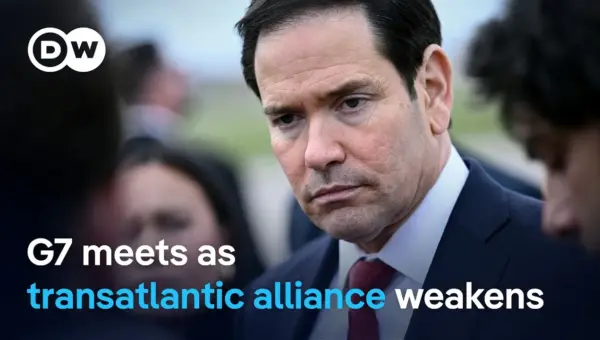
G7 Allies Clash Over Iran War Strategy, Urge Focus on Russia
G7 foreign ministers met in Paris, revealing deep divisions over the U.S. war with Iran. European allies urged the U.S. to pressure Russia, linking its actions to the conflict and fearing support for Ukraine will wane.


US Must Block China’s Tech Access for Security
US national security experts are raising alarms about China's access to advanced AI chips, arguing it threatens strategic advantages. This, coupled with charges against Chinese entities for fentanyl precursor sales and a ban on foreign routers, signals a growing effort to prioritize security over business ties.

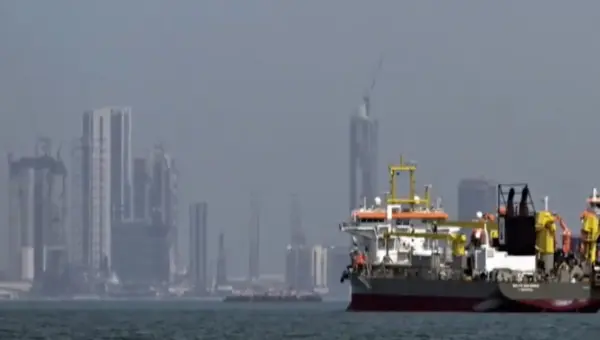
Iran Blocks China Ships, Exposing Beijing’s Weak Grip
Iran's recent decision to block Chinese ships at the Strait of Hormuz is exposing the limits of Beijing's influence in the Middle East. This action is causing delays and cancellations for Chinese manufacturers, turning a perceived geopolitical win into an economic strain.