China’s Rare Earths: A Taiwan Invasion Gambit?
China's dominance in rare earth elements presents a potential strategic weapon in a Taiwan invasion scenario. The Iran War's impact on U.S. stockpiles and the historical precedent of China's 'squeeze play' tactics are examined.

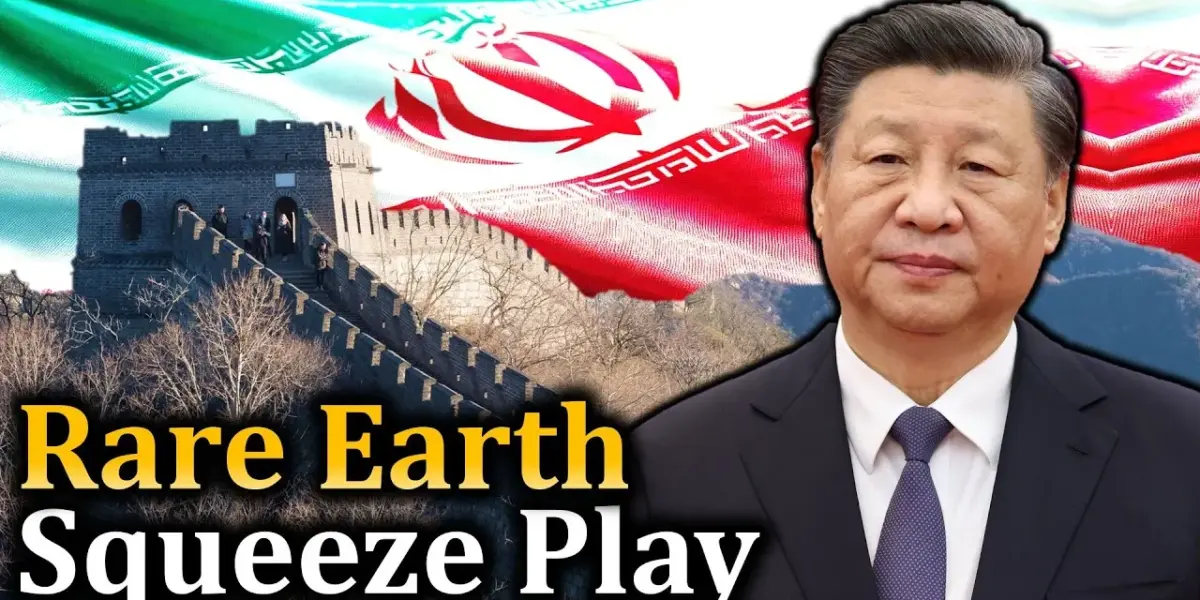
China’s Rare Earths: A Taiwan Invasion Gambit?
The United States faces a complex strategic challenge where a conflict in the Middle East could inadvertently empower China’s ambitions in the Indo-Pacific. Pentagon planners have long focused on the Indo-Pacific, anticipating a potential Chinese invasion of Taiwan. Such an event could trigger an economic crisis far exceeding the impact of the ongoing Iran War. Taiwan’s critical role in global semiconductor production, supplying 60% of the world’s chips and 95% of the most advanced ones, makes its stability vital.
A coordinated global conflict, with Russia potentially engaging in Eastern Europe and China crossing the Taiwan Strait, would severely strain U.S. resources and economic interests. While prospects in Europe appear more stable due to NATO commitments and Russia’s focus on Ukraine, the Indo-Pacific presents a more concerning outlook.
The Iran War’s Shadow
The ongoing Iran War, initiated by the Trump Administration, has become a significant political liability domestically. Public support for the war’s objectives has dwindled, and the administration has struggled to present a clear narrative. Militarily, the conflict has seen degradation of Iran’s missile and drone capabilities. Strikes on Iran’s nuclear sites suggest the U.S. believes any immediate nuclear breakout capacity has been eliminated. However, securing the Strait of Hormuz remains a critical, unachieved objective, and the leadership losses within Iran have not translated into a collapse of the government.
The war has also depleted U.S. military stockpiles, creating a need for replenishment. This is where China’s strategic advantage comes into play, centered on its dominance in the rare earth elements market. Rare earth elements are essential components in high-tech weaponry, including missiles like the Tomahawk. China’s control over the majority of rare earth production and, critically, 90% of processing, gives it significant leverage.
China’s Rare Earth Leverage
The core of China’s potential strategy, often termed a “squeeze play,” involves restricting rare earth exports. This could prevent the United States from adequately replenishing its stockpiles, especially if a Taiwan invasion occurs. The United States was once a major producer of rare earths, but environmental regulations and China’s aggressive market entry in the 1980s led to the closure of U.S. mines. China’s strategy was both economic and strategic: undercut competitors, gain market dominance, and then use that control for political concessions.
By 2010, China controlled 97% of global rare earth production. However, the 2010-2012 Rare Earth Crisis, triggered by a territorial dispute between China and Japan, offered a glimpse of China’s coercive tactics. China restricted rare earth exports to Japan, causing prices to skyrocket. This event spurred diversification efforts, with Japan investing in Australia’s Lynas Corporation, leading to the opening of the Mount Weld Mine. Australia became a significant player, and the U.S. also renewed efforts to re-enter the market. Today, China’s production share has decreased to about 60%, though its processing dominance remains.
The Viability of a Squeeze Play
The question remains whether China would actually employ such a tactic against the United States. It would represent a significant departure from China’s usual policy of economic engagement. The risks for China are substantial. A rare earth export ban could provoke retaliatory tariffs from the U.S., potentially leading to an economic downturn for China and encouraging further diversification away from its supply chain, much like the 2010 crisis.
The U.S. military’s needs are a key consideration. While civilian markets might struggle with price increases, the Pentagon has a price guarantee for U.S. rare earth production, ensuring the survival of domestic operations like the revived Mountain Pass Mine. Furthermore, Western firms hold enough processing capacity to meet military requirements. Any shortfall could potentially be addressed through third-party imports, a tactic proven effective in circumventing sanctions.
Strategic Implications
The potential for China to use rare earth export restrictions as leverage in a Taiwan invasion scenario highlights a critical vulnerability for the United States. The Iran War, by depleting U.S. resources and potentially distracting naval assets, could create a window of opportunity for Beijing. However, the historical precedent of the 2010 crisis suggests that such coercive tactics might be less effective now than anticipated, as global supply chains have begun to diversify. The U.S. military’s ability to secure its rare earth needs, even at higher costs, and the potential for bipartisan support for defense spending, could mitigate China’s leverage. Nevertheless, the ongoing reliance on Chinese processing capacity remains a significant strategic concern.
Source: The Trump Card China Holds After the Iran War Ends (YouTube)

Related Articles

Markets Wobble as Geopolitics Shift Dramatically
Global markets are showing volatility as geopolitical tensions rise, with the Nasdaq nearing correction territory. Concerns over consumer spending, rising costs, and the nation's fiscal health are intensifying. Analysts debate whether current events represent short-term market noise or a fundamental "reinvention of geopolitics" with long-term implications.


Pope Leo XIV Shifts Vatican’s Global Focus
Pope Leo XIV, the first American pope, brings a unique multicultural background and extensive missionary experience to the Vatican. His election signals a potential shift in the Church's global focus, with an emphasis on peace and contemporary issues like artificial intelligence.

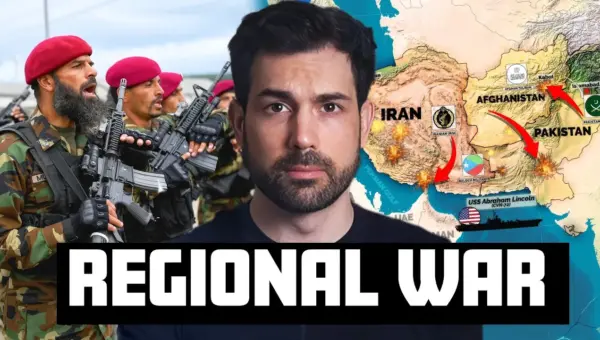
Iran War Ignites Regional Crisis: Pakistan Pulled In
The ongoing war in Iran is igniting a wider regional crisis, pulling Pakistan into escalating border conflicts with Baloch separatists and the resurgent Pakistani Taliban. Missile strikes, protests, and a refugee crisis are destabilizing the region, with significant implications for global energy markets and nuclear security.