China’s Quiet Grip on South Korea Grows
China's influence is quietly growing within South Korea, affecting real estate, media, and online discourse. With a large Chinese population and increasing economic ties, concerns are rising about Beijing shaping decisions from within. This complex situation challenges South Korea's sovereignty and could impact regional stability.

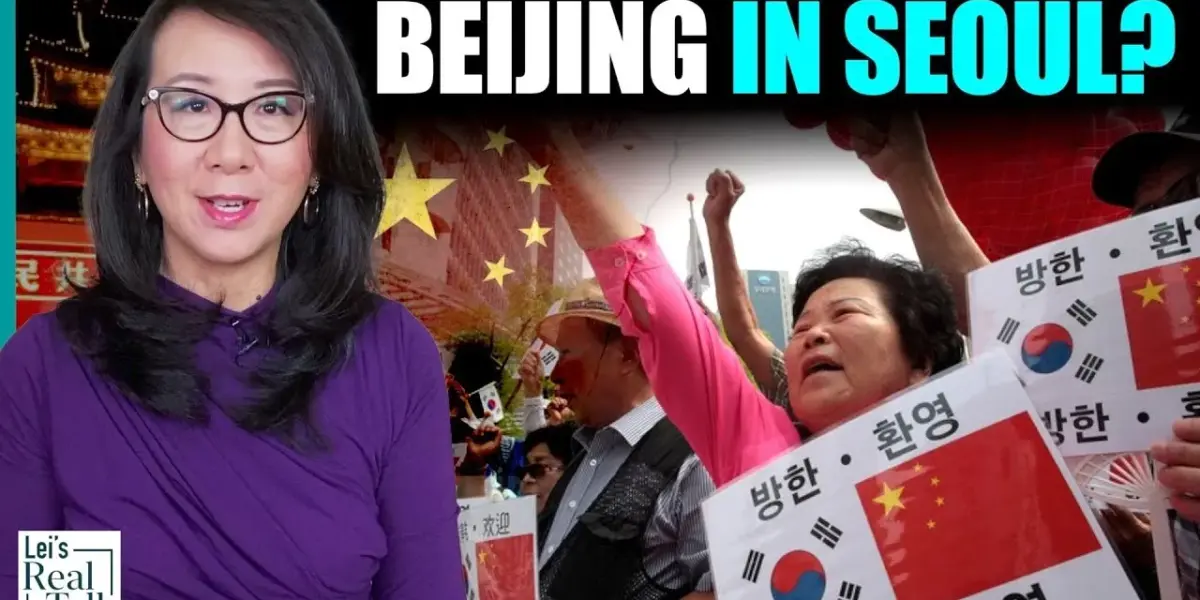
China’s Quiet Grip on South Korea Grows
Tensions are high in East Asia, but a less obvious change is happening within South Korea. China’s influence is quietly growing, affecting everything from property ownership to what people see and read online. This quiet spread of power is raising serious questions about how much Beijing’s reach now extends into Korean society.
Buying Up Land, Spreading Influence
Concerns are rising about Chinese citizens buying land in important areas. This includes properties in locations that could be considered strategic, meaning they are important for defense or economy. Beyond real estate, China’s influence is also reportedly expanding in South Korea’s media, universities, and online discussions. It’s like a subtle but steady effort to shape what people think and know.
A Growing Presence, A Shifting Balance
Nearly a million Chinese nationals now live in South Korea. The country has made it easier for them to get residency and even voting rights. At the same time, South Korea is becoming more economically tied to China. This growing connection worries some experts. They suggest that China’s influence might not be just coming from outside anymore. It could be starting to affect decisions made within South Korea itself.
Some analysts warn that influence is no longer external—it may already be shaping decisions from within.
What Does ‘Beijing Presence’ Mean?
What some people are calling a “Beijing presence” in Seoul is more than just a large number of people. It involves networks and strategic actions. These efforts aim to increase China’s sway over South Korean affairs. Understanding these networks and the numbers involved is key to grasping the full picture. The implications could reach far beyond just the Korean Peninsula.
Historical Context: A Long Dance
South Korea and China have a complex relationship that goes back centuries. Historically, China has often been the dominant regional power. However, after the Korean War, South Korea developed strong ties with the United States. This created a delicate balance. For decades, South Korea has navigated its relationship with both superpowers. This current situation adds another layer to that long-standing diplomatic dance.
Economic Ties: A Double-Edged Sword
South Korea’s economy is heavily reliant on trade with China. This economic connection has brought benefits, like job creation and economic growth. However, it also makes South Korea vulnerable to Chinese economic pressure. If China decides to use its economic power, it could significantly impact South Korea’s businesses and overall economy. This dependence creates a situation where economic ties can be used as a tool for influence.
Academic and Media Influence
Reports suggest that China has also been working to influence academic research and media content in South Korea. This can happen through funding universities or media outlets, or by promoting certain narratives. The goal is often to shape public opinion and academic discourse in a way that is favorable to China’s interests. This type of influence is harder to detect but can be very powerful over time.
Online Discourse: The Digital Battlefield
The internet and social media have become new fronts for influence operations. China is believed to be active online, shaping discussions and spreading its viewpoints. This can involve creating fake accounts or promoting specific hashtags to sway public opinion. In a connected world, controlling online narratives can have a significant impact on how people perceive issues and make decisions.
Why This Matters
The potential for China to exert significant influence over South Korea is a critical issue. South Korea is a major global economy and a key player in regional security. If its decisions are swayed by Beijing, it could affect everything from international trade agreements to security alliances in East Asia. This could have ripple effects on global politics and economics.
Implications and Future Outlook
The growing Chinese presence in South Korea raises important questions about national sovereignty and foreign policy. South Korea faces the challenge of maintaining its independence while managing its crucial relationship with China. The future will likely see South Korea trying to balance these competing interests. It will involve carefully managing economic ties, cultural exchanges, and security concerns. The outcome of this balancing act will shape not only South Korea’s future but also the broader dynamics of East Asia.
Trends to Watch
- Continued growth in Chinese residency and property ownership in South Korea.
- Increased focus on potential Chinese influence in South Korean media and academia.
- South Korea’s efforts to maintain economic ties while asserting its foreign policy independence.
- The role of online discourse in shaping public opinion regarding China.
The situation in South Korea highlights a broader trend of China seeking to expand its global influence. How South Korea navigates these challenges will be closely watched by countries around the world.
Source: How China’s Influence Is Quietly Reshaping South Korea (YouTube)

Related Articles


US-Iran Talks Collapse: War Looms After Summit Fails
US-Iran peace talks in Islamabad have collapsed after the Trump administration reportedly tried to change the negotiating framework. Senator JD Vance announced the breakdown, stating Iran refused U.S. demands, signaling a likely return to conflict. The failure occurred while President Trump attended a UFC match.


Robots Turn Tide: Ukraine’s Tech Edge Crushes Russian Forces
Ukraine's innovative use of ground robotics is fundamentally altering the nature of warfare, offering a strategic advantage over Russia. These machines are reducing casualties, enabling territorial gains, and paving the way for Ukraine's future economic strength.


Iran Talks Collapse: No Deal on Nuclear or Strait Fees
International talks aimed at halting Iran's nuclear program have collapsed, with negotiators returning home without a deal. Key disagreements over uranium enrichment and control of the Strait of Hormuz remain unresolved, raising concerns about regional stability and oil prices.