China’s Port Power Play Threatens Global Trade Routes
Senator Marco Rubio is condemning China's alleged detention of Panama-flagged vessels, calling it 'bullying' that destabilizes global supply chains. The dispute follows Panama's decision to regain control of two key ports from a Chinese-linked company, raising concerns about China's economic influence over vital trade routes.

China’s Port Power Play Threatens Global Trade Routes
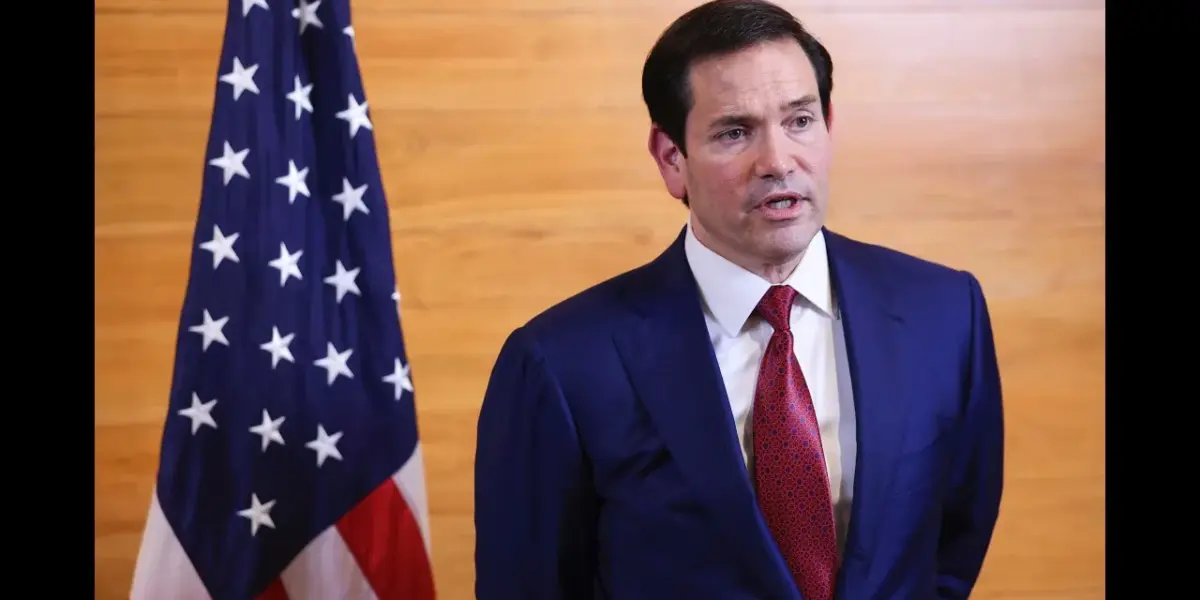
Senator Marco Rubio is speaking out, calling China’s recent actions a form of bullying. He says China is holding back or delaying many ships flying Panama’s flag. This is happening while they are in Chinese waters or ports.
Rubio’s strong words follow a decision made by Panama earlier this year. Panama decided to take back control of two important ports located along the Panama Canal. These ports were previously managed by a company linked to Hong Kong. The company itself has connections to the Chinese Communist Party.
Supply Chains Under Pressure
In a statement released on the State Department’s website, Secretary Rubio explained why he is concerned. He wrote that China’s actions are not just about these ships. They have a wider impact that can make global supply chains unstable. This instability can lead to higher costs for everyone. It also makes businesses and countries less sure about the reliability of the worldwide trading system.
Think of global trade like a giant, interconnected highway system. When one part of the highway is blocked or slowed down, it causes traffic jams everywhere. Rubio believes China’s actions are creating these kinds of blockages. This affects the flow of goods that we all depend on.
US Stands With Panama
Rubio made his position very clear on social media. He posted on X, formerly Twitter, that the United States is standing with Panama. He stated that the US will not accept any actions that try to punish Panama for asserting its sovereignty. He promised that the US will always support its partners when they face bullying tactics.
“The United States stands with Panama against any retaliatory actions against its sovereignty and will always support our partners in the face of bullying.”
— Secretary of State Marco Rubio
Background of the Dispute
The situation has roots in a legal decision made in Panama back in January. Panama’s Supreme Court ruled that it was against the law for a subsidiary of CK Hutchison Holdings, a company based in Hong Kong, to operate these two ports. The court found the previous arrangement unconstitutional. This ruling paved the way for Panama to regain control.
CK Hutchison Holdings is a large international business group. However, its ties to the Chinese Communist Party have raised concerns for some governments. The company’s connection to China is a key factor in the current tensions over the port management.
Why This Matters
This dispute is more than just a disagreement between Panama and China. It highlights the growing influence of China in global trade infrastructure. Control over key ports, especially those on vital shipping routes like the Panama Canal, gives a country significant economic and strategic power.
The Panama Canal is one of the most important waterways in the world. It connects the Atlantic and Pacific Oceans, allowing ships to travel between them much faster. Any disruption or control over this area can have major effects on international shipping costs and schedules. Countries and businesses rely on the smooth operation of the canal for moving goods efficiently.
Global Trade and Geopolitics
The actions taken by China, as described by Rubio, suggest a strategy to exert influence through economic means. By detaining ships, China might be trying to pressure Panama to reconsider its decision about the ports. This approach uses economic leverage as a tool in geopolitical disputes.
This situation is part of a larger trend. Many countries are watching how China uses its growing economic power. The West, in particular, is concerned about China’s increasing control over critical global infrastructure. These include ports, telecommunications networks, and other key assets. The fear is that this control could be used to gain political advantages or to disrupt trade if China’s interests are challenged.
Looking Ahead
The future of this situation remains uncertain. Panama has asserted its legal right to control its ports. China’s response, through the detention of ships, shows its willingness to use economic pressure. The United States has publicly backed Panama, signaling its commitment to supporting allies against perceived Chinese assertiveness.
We may see continued diplomatic efforts to resolve the issue. However, the underlying tension between China’s economic ambitions and the desire of nations to maintain control over their own strategic assets is likely to persist. This incident serves as a reminder of how interconnected global trade is and how vulnerable it can be to political disagreements. The stability of supply chains and the fairness of international trade practices are at stake.
Source: Rubio Condemns China’s Detainment of Panama Flagged Vessels (YouTube)

Related Articles


China Wages ‘Unrestricted War’ on America, Author Claims
Author Casey Fleming claims China is waging a non-military "unrestricted war" on America using methods like drug trafficking, biological threats, and social media manipulation. He urges Americans to become informed and unite to counter these attacks.


Taiwan Opposition Leader Seeks China Talks Amid US Tensions
Taiwan's opposition leader, Joong Lee Nguyen, is heading to Beijing for talks with President Xi Jinping, aiming to ease tensions ahead of President Trump's visit. Her approach of engaging directly with China aims to prevent conflict, though it faces skepticism both in Taiwan and regarding U.S. support.

China Fuels Fentanyl Crisis, A New Form of Warfare
A senior fellow argues China is engaging in chemical warfare by supplying precursor chemicals for fentanyl, leading to mass death among American youth. Despite diplomatic efforts and tariffs, the flow of these deadly substances continues, highlighting a new, complex geopolitical challenge.