China’s ‘Perfect’ Spy Case: Aviation Secrets & US Tech Rivalry
A recent espionage case involving Ji Chaoqun highlights China's alleged pursuit of U.S. aviation secrets, underscoring the ongoing technological rivalry between the two superpowers. The incident brings to the forefront concerns over intellectual property theft and its impact on key industries.


China’s Alleged Industrial Espionage: A Jet Engine Heist Uncovered
A recent high-profile case involving Ji Chaoqun, a Chinese national accused of attempting to steal sensitive aviation technology from the United States, has brought the ongoing saga of economic and technological rivalry between the two superpowers into sharp focus. The allegations paint a picture of a sophisticated, albeit ultimately flawed, espionage operation aimed at acquiring critical jet engine trade secrets – technologies that China has long sought to develop domestically.
The alleged modus operandi, described as a simple yet effective strategy of “rob, replicate, and replace,” underscores the perceived threat of intellectual property theft. U.S. authorities contend that nations like China aim to bypass years of research and development by illicitly obtaining cutting-edge innovations. This approach, if successful, allows adversaries to rapidly advance their own technological capabilities, potentially at the expense of American industries and national security.
The ‘Packrat’ Approach to Espionage
Ji Chaoqun’s alleged methods, as detailed in the legal proceedings, were characterized by an almost indiscriminate collection of digital information. Prosecutors described him as being “almost like a packrat when it came to electronic information,” amassing a vast trove of data that included text messages, videos, and photographs. This extensive digital footprint became a key element in the government’s case against him.
However, the nature of some of the evidence collected has drawn particular attention. The prosecution highlighted the peculiar act of Ji allegedly taking a photograph of a “top secret blood oath.” This detail, described by observers as reminiscent of a character like “Mr. Bean,” suggests a level of operational naivety that contrasts sharply with the sophisticated image of a seasoned intelligence operative. This apparent lack of discretion, according to some analyses, may have been a critical misstep.
Broader Geopolitical Context
The case of Ji Chaoqun is viewed by many as a microcosm of the larger geopolitical tensions and strategic competition between China and the United States. The desire for advanced aerospace technology, particularly in the realm of jet engines, is a well-documented priority for China’s military and economic modernization efforts. The development of indigenous, high-performance jet engines is crucial for China’s ambitions in both civilian aviation and military power projection.
Furthermore, Ji’s alleged personal aspirations – seeking U.S. citizenship and aiming to become an intelligence officer – add another layer to the narrative. This suggests a complex interplay of personal ambition, national allegiance, and potential infiltration tactics. The ability to place operatives within strategic sectors or gain access to sensitive information through individuals who appear to be integrating into American society represents a persistent concern for U.S. national security agencies.
Market Impact and Investor Considerations
While the Ji Chaoqun case is a specific legal matter, it reflects broader trends impacting global markets and investment strategies:
- Intellectual Property Protection: Companies operating in R&D-intensive sectors, particularly aerospace, defense, and advanced manufacturing, face ongoing risks related to intellectual property theft. Investors should consider the robustness of a company’s IP protection strategies and its exposure to geopolitical risks.
- Technological Competition: The drive for technological supremacy between the U.S. and China influences investment in specific industries. Sectors like semiconductors, artificial intelligence, and advanced materials are key battlegrounds where government support and competitive pressures shape market dynamics.
- Supply Chain Security: The reliance on global supply chains, especially for critical technologies like aerospace components, is under scrutiny. Geopolitical tensions can lead to disruptions, increased costs, and a push for reshoring or diversification, affecting companies across various industries.
- National Security and Investment: Government actions related to national security, including investigations into industrial espionage and trade practices, can have significant ripple effects on stock prices and market sentiment for affected companies and sectors.
What Investors Should Know
The Ji Chaoqun case serves as a potent reminder of the persistent threat of economic espionage and the complex interplay between technology, national security, and international relations. For investors, this highlights the need for diligence in assessing the risks associated with companies involved in sensitive technological sectors. Understanding the geopolitical landscape, the importance of intellectual property, and the potential for regulatory or national security-driven disruptions is crucial for navigating the investment environment in an era of heightened U.S.-China competition.
The pursuit of advanced technologies like jet engines is a long-term strategic objective for nations. While individual cases like Ji’s may be resolved through the legal system, the underlying competitive dynamic is likely to persist, influencing innovation, market access, and investment opportunities for the foreseeable future.
Source: Ji Chaoqun: How China's 'Perfect' Spy Got Caught (YouTube)

Related Articles
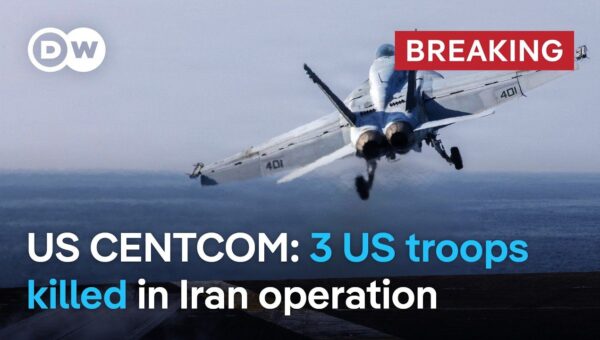
Middle East on Edge: Iran Retaliates Amid Regional Instability
Iran has launched retaliatory strikes against Israel and US bases in the Gulf following the reported assassination of Supreme Leader Ayatollah Ali Khamenei. The attacks have resulted in US casualties and heightened regional anxiety, with neighboring countries bracing for potential spillover effects. The escalating crisis has exposed divisions within Iran and prompted diplomatic efforts to prevent a wider conflict.
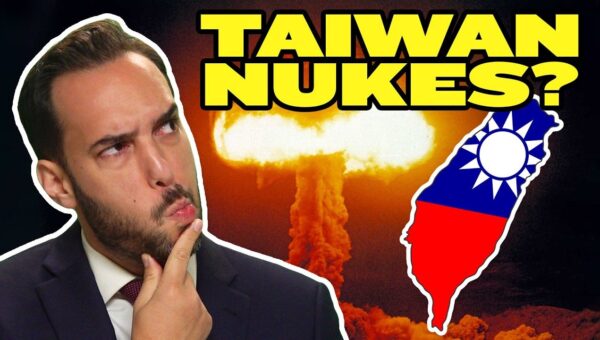
Taiwan’s Nuclear Dilemma: Deterrence or Disaster?
As China expands its nuclear arsenal and military presence, the question of whether Taiwan should possess nuclear weapons or host U.S. nuclear arms gains urgency. The debate weighs the potential for deterrence against the risks of escalation, drawing parallels to Ukraine's disarmament and Taiwan's own past nuclear ambitions.


Germany Navigates Tricky US-China Balancing Act
Germany faces a complex geopolitical challenge, needing to balance its alliance with the US and its economic ties with China. Experts suggest a 'smart approach' focusing on diversification and strategic autonomy, rather than a forced choice, is the most viable path forward.