China’s Organ Trade: A Global Threat We Can’t Ignore
China's alleged "industrialized killing" for organ harvesting is more than a distant human rights issue. This systematic practice, potentially targeting prisoners of conscience, raises global ethical concerns and hints at geopolitical implications. The West must confront its potential complicity and the erosion of human dignity this system represents.

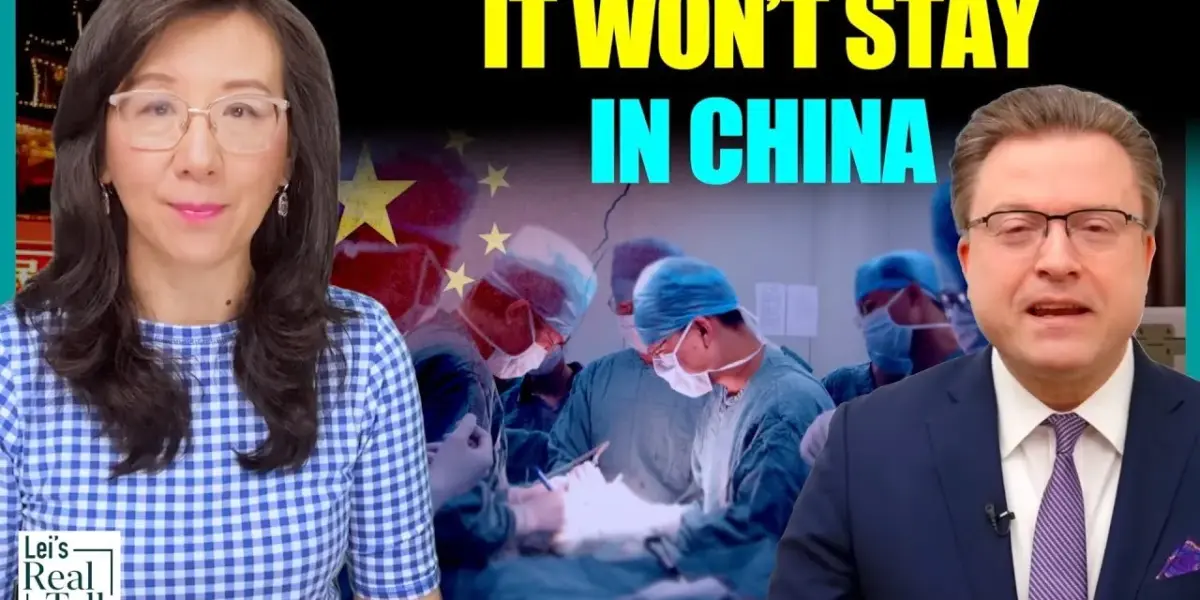
China’s Organ Trade: A Global Threat We Can’t Ignore
China’s practice of harvesting organs from prisoners is often viewed as a human rights problem happening far away. However, new analysis suggests this issue is far more widespread and has serious implications for the West. The system, described as “industrialized killing,” is not just a problem within China’s borders; it’s a complex issue with global reach and potential consequences for us all.
Understanding “Industrialized Killing”
The term “industrialized killing” refers to a systematic and large-scale approach to taking organs from executed prisoners. This process appears to be highly organized, almost like a factory production line. Instead of organs being a rare commodity, they are treated as a readily available resource. This system involves a disturbing efficiency that raises serious ethical and moral questions.
For years, China has claimed it relies on voluntary organ donations. However, evidence from human rights groups and researchers points to a different reality. Many reports suggest that prisoners of conscience, including Uyghurs, Tibetans, and Falun Gong practitioners, have been targeted for their organs. This practice creates a disturbing supply chain where human lives are valued less than the organs they carry.
Global Complicity and Geopolitical Strategy
The reach of this issue extends beyond China. Concerns are growing about global complicity, meaning other countries might be indirectly involved or turning a blind eye. Travelers seeking organ transplants have reportedly traveled to China, potentially benefiting from this ethically questionable system. This raises questions about international medical ethics and whether medical professionals worldwide are aware of or complicit in these practices.
Furthermore, the organ trade may be tied to broader geopolitical strategies. By controlling a vital medical resource and potentially profiting from it, China could be exerting influence. The lack of transparency surrounding the organ transplantation system makes it difficult to fully understand its international connections. However, the sheer scale of the operation suggests it cannot exist in isolation from global networks.
Historical Context
The issue of organ harvesting in China has been a subject of concern for many years. Early reports emerged in the early 2000s, but it wasn’t until more recent years that widespread attention was drawn to the potential scale of the problem. Investigations by human rights organizations and tribunals have brought forth testimonies and evidence that paint a grim picture.
Historically, organ transplantation has faced ethical challenges worldwide. However, China’s situation is unique due to the alleged systematic use of executed prisoners. The international community has largely condemned such practices, but effective measures to stop them have been slow to emerge. This highlights the difficulty in addressing human rights abuses within a sovereign nation, especially when economic and political factors are involved.
Why This Matters
This issue matters because it touches upon fundamental human rights and ethical standards. The idea that individuals could be killed for their organs is a violation of the most basic principles of human dignity. If this practice is indeed widespread and systematic, it represents a severe failure of international oversight and a moral failing on a global scale.
For Western countries, understanding this issue is crucial for several reasons. Firstly, it challenges our commitment to human rights and ethical medical practices. Are we inadvertently supporting or benefiting from this system? Secondly, it highlights the need for greater transparency in global health systems. Thirdly, it underscores the potential for authoritarian regimes to exploit vulnerable populations for economic or strategic gain.
Implications, Trends, and Future Outlook
The trend suggests that if China’s “industrialized killing” continues, it will not remain contained. The demand for organs, both within China and potentially from abroad, fuels the system. As medical technology advances, the potential for organ transplantation will only increase, possibly exacerbating the problem.
The future outlook depends heavily on international pressure and transparency. Increased scrutiny from governments, medical organizations, and the public could force China to adopt more ethical practices. However, political and economic considerations often complicate such efforts. The long-term consequence could be a further erosion of trust in global medical supply chains and a stark reminder of the ongoing struggle for human rights in the face of state-sanctioned abuses.
The system’s reach may already be extending beyond China’s borders through various channels, including medical tourism and the potential illicit trade of organs. If these practices continue unchecked, they could normalize a disturbing disregard for human life, with consequences that may not be immediately apparent but could deeply affect global ethical standards and international relations.
Source: Why China’s “Industrialized Killing” Matters to the West (YouTube)

Related Articles

India Scales Back Transgender Rights, Sparking Widespread Protests
India has rolled back transgender rights with a new law requiring government permission for self-identification and medical treatment, sparking widespread protests. Activists argue the legislation reverses progress, excludes many, and risks criminalizing support networks, while rights groups challenge its constitutionality in court.

Iran’s Bold Stance: Regime Feels Empowered Amidst Negotiations
Iran appears emboldened on the international stage, presenting maximalist demands ahead of negotiations and maintaining control over the Strait of Hormuz. The regime's strategy, viewed as a victory by supporters, contrasts sharply with the silenced dissent of the majority of the Iranian population who face a grim reality of suppressed freedoms.


China’s Organ Harvesting: A Grim Reality Gains Attention
A chilling report reveals China's alleged forced organ harvesting from prisoners of conscience, including Falun Gong practitioners and ethnic minorities. Despite growing awareness, the international response remains muted, raising serious ethical and human rights questions.