China’s Organ Harvest: Lawmaker Demands Trump Confront Xi
A Republican lawmaker is urging President Trump to confront China's leader, Xi Jinping, on human rights abuses. The focus includes political prisoners, religious persecution, and disturbing allegations of forced organ harvesting, particularly from Falun Gong practitioners.

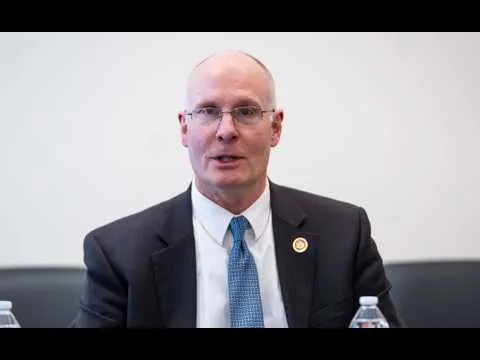
Lawmaker Urges Trump to Confront China on Human Rights Abuses
Weeks before a planned meeting between President Trump and Chinese leader Xi Jinping, a prominent Republican lawmaker is calling for a strong stance on human rights in China. Congressman John Moolenaar, who chairs the House Select Committee on the CCP, has sent letters to both President Trump and Secretary of State Mike Pompeo. He is urging them to raise serious human rights issues with Xi Jinping during their upcoming discussions.
Focus on Political Prisoners and Persecution
The core of Moolenaar’s message centers on several critical human rights concerns. These include the plight of political prisoners, the persecution of religious groups, and deeply disturbing allegations of forced organ harvesting. These issues have been brought to the forefront as high-stakes talks between the US and China approach.
The Disturbing Allegations of Forced Organ Harvesting
“For $200,000 or $150,000, you can get a new heart in 2 weeks, right? It’s just kind of unbelievable thing to see, right? But why why can that be done? Because the so-called donor is ready to be killed to order, already matched to you.”
One of the most alarming accusations is that of forced organ harvesting. Reports suggest a disturbing market exists where organs are readily available, sometimes within weeks, for a significant price. This grim efficiency points to a system where individuals are allegedly killed specifically to harvest their organs. The medical system in China, according to officials, operates closely with the state. This means medical professionals may not have true independence and could be directed by the government to create a supply of organs. This practice appears to target political enemies, filling a demand for transplant organs.
Who Are the Victims?
The primary victims of this alleged forced organ harvesting are said to be practitioners of Falun Gong, also known as Falun Dafa. This is a spiritual and meditative practice that emphasizes truthfulness, compassion, and forbearance. Because Falun Gong gained immense popularity, with over 100 million followers in China, the Chinese Communist Party (CCP) has been targeting the group since 1999. This campaign has reportedly included the state-sponsored practice of forced organ harvesting.
International Concerns and Tribunal Findings
An international tribunal based in London has examined these allegations. The tribunal concluded that forced organ harvesting has been happening for years in China on a large scale. They also stated that Falun Gong practitioners have been a major, and possibly the main, source of organs for this practice. This finding adds significant weight to the concerns being raised by lawmakers.
Intensified Persecution Under Xi Jinping
Congressman Moolenaar’s letters also highlight that human rights abuses have worsened under Xi Jinping’s leadership. He describes the current situation as the most systematic campaign of religious and political persecution since the Cultural Revolution. Examples cited include Christians who refuse to join state-controlled churches facing detention, disappearance, or worse.
Targeting Minorities and Dissenters
The Congressman also pointed to the mass detention of Uyghur Muslims in Xinjiang. Furthermore, he noted the erosion of Tibetan culture, which is being harmed by the closure of Buddhist monasteries. Beyond these issues, Moolenaar is advocating for sanctions against Hong Kong officials. These sanctions would be in response to a crackdown on dissent in the region. He is also calling for the release of prominent pro-democracy media figure Jimmy Lai, who was recently sentenced to 20 years in prison.
A Crucial Moment for Human Rights
President Trump is expected to meet with Xi Jinping in May. This meeting presents a significant opportunity. It could be a moment where human rights issues take center stage in the US-China relationship. The pressure is mounting on the White House to adopt a firmer approach toward Beijing on these critical matters.
Why This Matters
The call by Congressman Moolenaar brings crucial attention to the severe human rights situation in China. The allegations of forced organ harvesting are particularly grave, suggesting a state-sponsored system that profits from human life. Such practices, if true, represent an extreme violation of fundamental human dignity and international ethical standards. By urging President Trump to confront these issues, lawmakers are attempting to use diplomatic pressure to force change. This approach highlights the belief that economic ties should not overshadow basic human rights. It also reflects a growing bipartisan concern in the US about China’s internal policies and their global implications.
Implications, Trends, and Future Outlook
This situation points to a broader trend of increasing scrutiny on China’s human rights record. As China’s global influence grows, so does the international community’s attention to its internal policies. The ongoing persecution of religious and ethnic minorities, coupled with the suppression of dissent, is becoming harder for other nations to ignore. The future outlook may see more international pressure, including targeted sanctions and diplomatic isolation, if China does not address these concerns. The effectiveness of such measures, however, remains a complex question, often weighed against economic interests. The US, in particular, is navigating a delicate balance between strategic competition with China and the advocacy for universal human rights.
Historical Context
China has a long history of internal political campaigns and human rights issues. The Cultural Revolution, mentioned by Moolenaar, was a period of intense social and political upheaval that led to widespread human rights abuses. The crackdown on Falun Gong in 1999 marked a significant escalation in religious persecution. The treatment of Uyghurs in Xinjiang and the erosion of freedoms in Hong Kong represent more recent examples of the CCP’s policies. These historical patterns provide context for understanding the current accusations and the lawmaker’s strong stance. They suggest a continuity in the CCP’s approach to maintaining control and suppressing perceived threats to its power.
Source: Lawmaker Urges Trump to Press China on Human Rights (YouTube)

Related Articles
Trump Weighs War Exit Amid Iran Strikes and Internal Debate
President Trump is reportedly facing internal debate over how to end the escalating conflict with Iran, according to a new Time Magazine report. While publicly vowing to increase strikes, privately Trump seeks an "off-ramp" to declare victory and avoid domestic backlash, even as advisors express surprise at Iran's retaliatory attacks.


Trump Escalates Iran Tensions, Targets Infrastructure
President Trump has warned of intensified strikes against Iran, targeting infrastructure like bridges and power plants. This strategy aims to pressure the regime into peace talks, though Iranian officials condemn it as an attack on civilian life. U.S. officials state the strikes target military supply routes to undermine Iran's capabilities.


China Benefits as Iran Conflict Disrupts Global Oil
China is emerging as a potential winner from the ongoing conflict in the Middle East, largely due to its strategic energy reserves and diverse power sources. While global oil prices surge, China's economy remains relatively shielded, allowing it to pursue its geopolitical goals and test the global reach of its currency.