China’s Nuclear Power Boom Risks Global Safety
China's rapid expansion of nuclear power is raising serious global safety concerns due to widespread construction defects. Despite building more reactors than any other nation, reports reveal significant quality issues, prompting worries about potential accidents. Past Western technological assistance is also noted, as China seeks to export its nuclear technology worldwide.

China’s Nuclear Power Boom Risks Global Safety
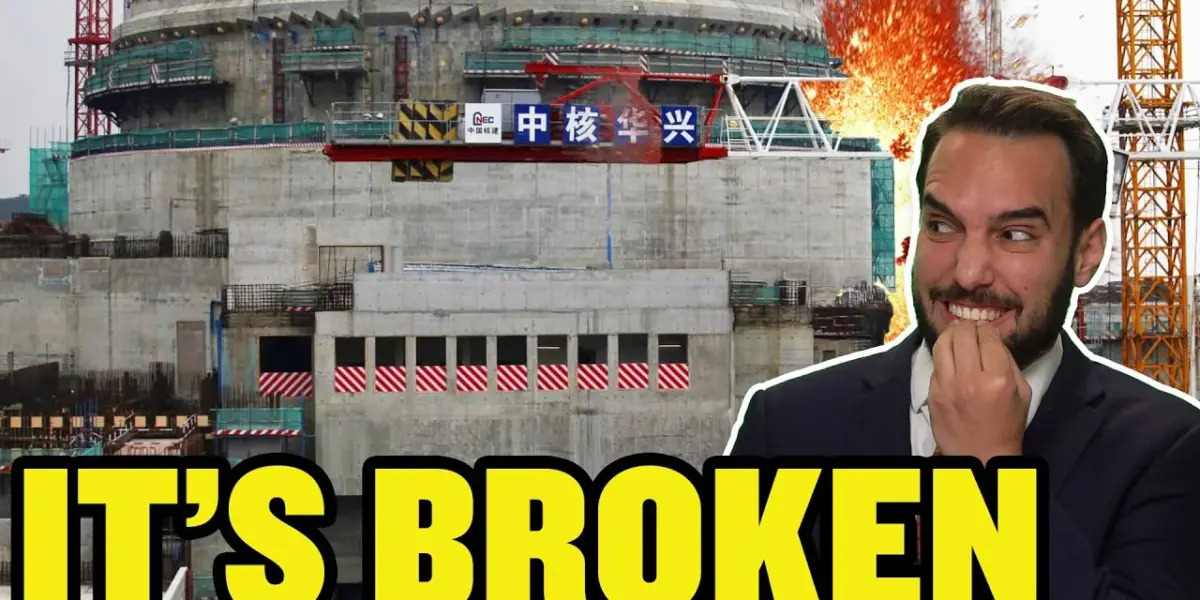
China is rapidly expanding its nuclear power program, building more reactors than any other country. This rapid growth, however, raises serious concerns about safety and quality. Reports from China’s own authorities reveal over 200 construction defects and issues at nuclear plants between 2011 and 2024. These problems range from faulty piping systems to deformed cooling water tanks, and even foreign objects left inside reactors. This rush to build, often prioritizing speed and cost over thoroughness, could have dangerous consequences not just for China, but for the entire world.
Safety Standards Questioned Amidst Rapid Expansion
While China is building nuclear reactors at an incredible pace, the quality of these constructions is coming under scrutiny. According to Kyoto News, Chinese authorities found more than 200 defects at nuclear plants over a 13-year period. Examples include issues with essential piping at the Salmon and Hayang plants, and a deformed spare tank meant for reactor cooling water at the Hongan Hub plant. Reports suggest that safety awareness and adherence to blueprints were lacking in some cases. Leaks were discovered in steam generators at the Ningda plant, and important equipment was damaged at the Fuing plant, where a foreign object was also found inside a reactor. The concrete used in the Taiishan plant reportedly did not meet required strength standards.
Past Incidents Highlight Potential Dangers
These construction issues are not just theoretical. In 2021, US officials expressed concern over a reported leak at the Taiishan nuclear plant in Guangdong Province. The company co-owning and operating the plant warned of a potential radiological threat. While China denied any immediate danger, they did acknowledge damage to fuel rods, which led to a year-long shutdown for repairs. This incident, along with other reported issues like defects in fire safety systems and failures to report anomalies, suggests a pattern of overlooking critical safety measures. The system in China, as described by a former engineer, puts immense pressure on technical staff, discouraging people from pursuing these crucial roles and potentially increasing the likelihood of accidents.
Global Ambitions and Export Concerns
Despite these internal safety concerns, China is looking to export its nuclear technology. Countries like Pakistan are already receiving reactors from China, and others such as Kazakhstan, Indonesia, Thailand, Kenya, Ghana, and Argentina are considering similar deals. This prospect alarms many, given the documented problems with China’s domestic projects. The idea of relying on Chinese nuclear technology is compared to trusting an unreliable driver, highlighting the perceived risk. China’s own state media often deflects criticism by pointing to other countries, such as Japan and its plutonium reserves or the Fukushima accident, a tactic seen as an attempt to distract from its own nuclear safety issues.
Historical Context and Western Influence
China’s access to advanced nuclear technology is partly due to past collaborations with Western countries. In the 1980s, French companies like Framatome and EDF provided reactors, technology, and maintenance. In 2006, the American company Westinghouse Electric Company helped build initial Chinese reactors based on its AP-1000 design. Furthermore, prestigious scientific institutions in the US, including MIT, Berkeley, and Oak Ridge National Laboratory, have engaged in nuclear research collaborations with China. While some restrictions have been put in place more recently to limit the transfer of nuclear technology to China, many believe more needs to be done to ensure global safety.
Why This Reshapes the World Order
The rapid, potentially compromised, expansion of China’s nuclear power program has significant global implications. If China becomes a major exporter of nuclear technology, countries that adopt it could face similar safety risks. This could lead to a rise in nuclear incidents worldwide, impacting international security and environmental stability. The situation also highlights a shift in global power dynamics, with China challenging established nuclear powers. The reliance on potentially flawed technology from a single major supplier could create new geopolitical dependencies and vulnerabilities. The world is watching to see if China’s nuclear ambitions will lead to a new era of clean energy or a cascade of safety crises.
Future Scenarios
Several future scenarios are possible. One is that China significantly improves its safety standards and quality control, mitigating the risks. Another is that current issues persist, leading to isolated incidents that are contained but damage China’s reputation and export prospects. A more concerning scenario is a major nuclear accident, either within China or in a country using its technology, which would have devastating environmental and humanitarian consequences and could trigger a global backlash against nuclear power. The likelihood of each scenario depends on China’s commitment to transparency, international cooperation, and prioritizing safety over speed and cost in its nuclear development.
Source: China's Nuclear Reactors Are Falling Apart (YouTube)

Related Articles
Iran Deal Faces Doubt Amid Ceasefire and Sanctions Talk
A two-week ceasefire between the U.S. and Iran offers a path to negotiations, potentially easing tensions and leading to sanctions relief. However, strong verification of Iran's commitments remains a key challenge for U.S. policymakers.

Iran Controls Persian Gulf After US Ceasefire, Analyst Claims
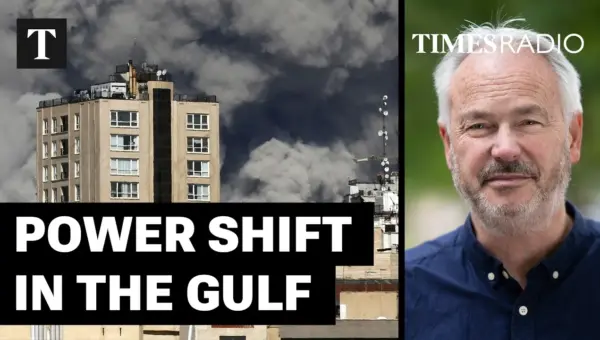
Iran has asserted control over the Persian Gulf following a US-declared military victory and ceasefire, according to analyst Tim Marshall. Despite US claims of success, Marshall argues Iran's actions demonstrate its regional dominance, particularly concerning its nuclear program and control of the Strait of Hormuz.


Russia’s Imperial Past Fuels Modern Conflict
Russia's historical identity as an empire, often misunderstood in the West, continues to shape its modern actions. Despite imperial policies, Russia positions itself as anti-Western, complicating global perceptions. Ukraine's long struggle for independence, rooted in distinct historical narratives, challenges these Russian myths and is increasingly recognized in Western academia.