China’s Military Purges: Xi Jinping’s Grip Tested
Beijing is facing unprecedented tension as high-ranking military officials are reportedly arrested ahead of the CCP's crucial 'Two Sessions'. The lack of formal endorsements and procedural steps surrounding these purges raises questions about President Xi Jinping's control over the People's Liberation Army.

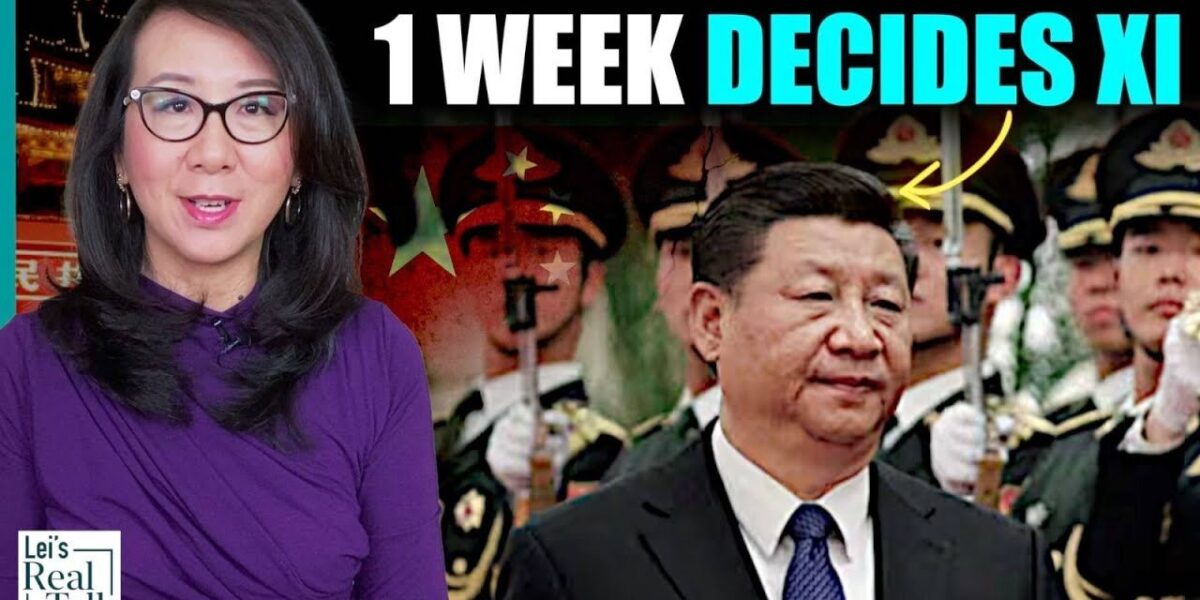
Beijing Faces Unprecedented Military Shake-Up Ahead of Key Political Gathering
Beijing is entering its most significant annual political event, the Chinese Communist Party’s (CCP) “Two Sessions,” under a cloud of extraordinary tension, marked by a series of high-profile arrests and purges within the People’s Liberation Army (PLA). The sudden detention of Vice Chairman Zhang Youxia and Central Military Commission (CMC) member Liu Zhenli has sent shockwaves through the military establishment. However, the lack of formal endorsement from the Politburo and the crucial procedural step of the National People’s Congress not yet stripping Zhang of his delegate status have fueled speculation about the true nature and extent of Xi Jinping’s authority. This critical period, with the Two Sessions looming, will be a key indicator of whether the President and Chairman of the CMC maintains firm control over the PLA or faces significant internal resistance.
Sweeping Crackdown Targets Top Military Brass
In a broad and sweeping crackdown, at least nine senior generals across various branches of the PLA have been purged. The affected services include the Army, Navy, Air Force, Rocket Force, and the newly established Information Support Force. This extensive action suggests a deep-seated issue within the military’s leadership, prompting questions about the effectiveness and loyalty of key personnel. The scale of these purges, occurring just before a pivotal political gathering, is highly unusual and signals a potential period of instability or a decisive move by Xi Jinping to consolidate power.
Uncertainty Surrounds Official Endorsement and Procedural Norms
A significant aspect of the current situation is the apparent procedural ambiguity surrounding the arrests. The fact that the Politburo has not formally endorsed the detentions and that the National People’s Congress has not yet formally removed Zhang Youxia from his delegate status is a critical procedural gap. In China’s political system, such formal endorsements and procedural steps are crucial for legitimizing actions, particularly those involving high-ranking officials. Their absence suggests either a hurried or contested decision-making process within the highest echelons of power, or a deliberate strategy to manage public perception and internal dissent during this sensitive period.
Assessing Xi’s Control: Three Key Indicators to Watch
With only a week remaining before the Two Sessions commence, observers are closely monitoring three key indicators to gauge the true state of Xi Jinping’s control over the PLA:
- Formal Politburo and NPC Actions: The official endorsement of the arrests by the Politburo and the formal stripping of delegate status for those purged by the National People’s Congress will be crucial. A swift and formal process would suggest decisive action and consolidation of power. Conversely, delays or a lack of formal action could indicate internal divisions or resistance.
- Composition of New Appointments: Any new appointments or promotions within the CMC and the affected military branches will provide insight into Xi’s choices. Are these individuals loyalists with a track record of unwavering support, or do they represent a broader, more diverse leadership selection?
- Official Rhetoric and Media Coverage: The tone and content of official statements and state media coverage regarding the military and anti-corruption efforts will be telling. A focus on discipline and loyalty, or conversely, silence and subtle messaging, can reveal underlying dynamics.
Broader Implications for China’s Stability and Global Standing
These internal military purges carry significant implications not only for the stability of the CCP’s rule but also for China’s broader geopolitical posture. A military leadership in flux or facing internal dissent could impact the PLA’s operational readiness and its ability to execute strategic objectives, including those related to Taiwan and regional security. Furthermore, the perception of internal instability could affect investor confidence and international perceptions of China’s leadership and its long-term strategic direction. The CCP has historically relied on the PLA’s absolute loyalty to maintain power, making any perceived weakening of this bond a matter of grave concern for the leadership.
What to Watch in the Coming Week
The next week is pivotal for understanding the trajectory of Xi Jinping’s leadership and the health of the CCP’s grip on its most powerful institution. The formal proceedings and announcements surrounding the Two Sessions will likely shed light on the extent of the military shake-up and the leadership’s response. The world will be watching closely to see if these events signify a decisive consolidation of power by Xi Jinping or reveal deeper fissures within the Chinese military and the political system at its highest levels.
Source: Beijing’s Critical Week: Is Xi Losing Control of the PLA? (YouTube)

Related Articles
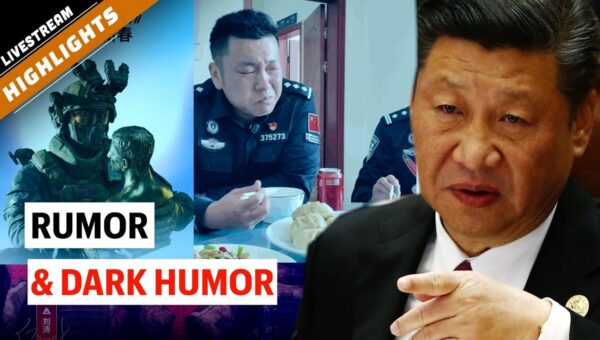
China’s Info War: Rumors, Ads Hint at Deep Political Strife
Unusual rumors of executions and a provocative game advertisement hint at a brewing information war within China. State media's own subtly critical reports further suggest deep political undercurrents and potential dissent.
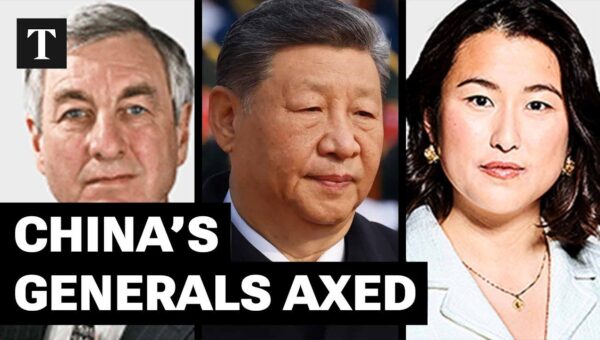
Xi’s Military Purge Sparks Questions of Paranoia and Weakness
President Xi Jinping's extensive purge of top military commanders has triggered debates about his paranoia and the PLA's readiness. Analysts question if these dismissals signal a consolidation of power or reveal deep-seated corruption and incompetence within China's armed forces, with significant implications for regional stability, particularly concerning Taiwan.
Rubio: War’s End Lies in Talks, Not Military Might
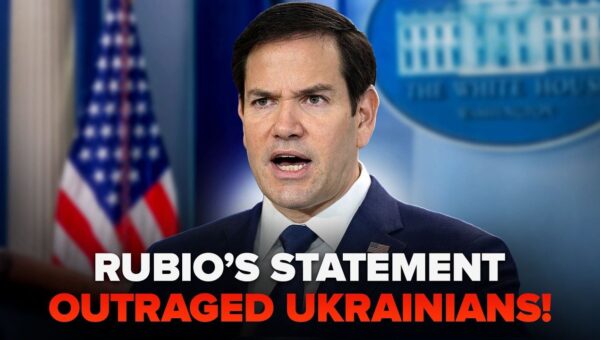
U.S. Secretary of State Marco Rubio stated that the Ukraine war lacks a military solution and will ultimately be settled through negotiation, highlighting America's crucial role in facilitating talks. Meanwhile, Hungary's PM Viktor Orbán accused Kyiv of election interference and disrupting energy supplies, while China's Xi Jinping called for inclusive peace negotiations.