China’s Jets Swarm Taiwan: A New Invasion Tactic Emerges
China's recent large-scale military drills surrounding Taiwan, involving fighter jets and warships, signal a concerning escalation. Reports suggest Beijing is exploring novel invasion tactics, including the potential use of civilian fishing vessels, to bypass traditional defenses and intelligence gathering.

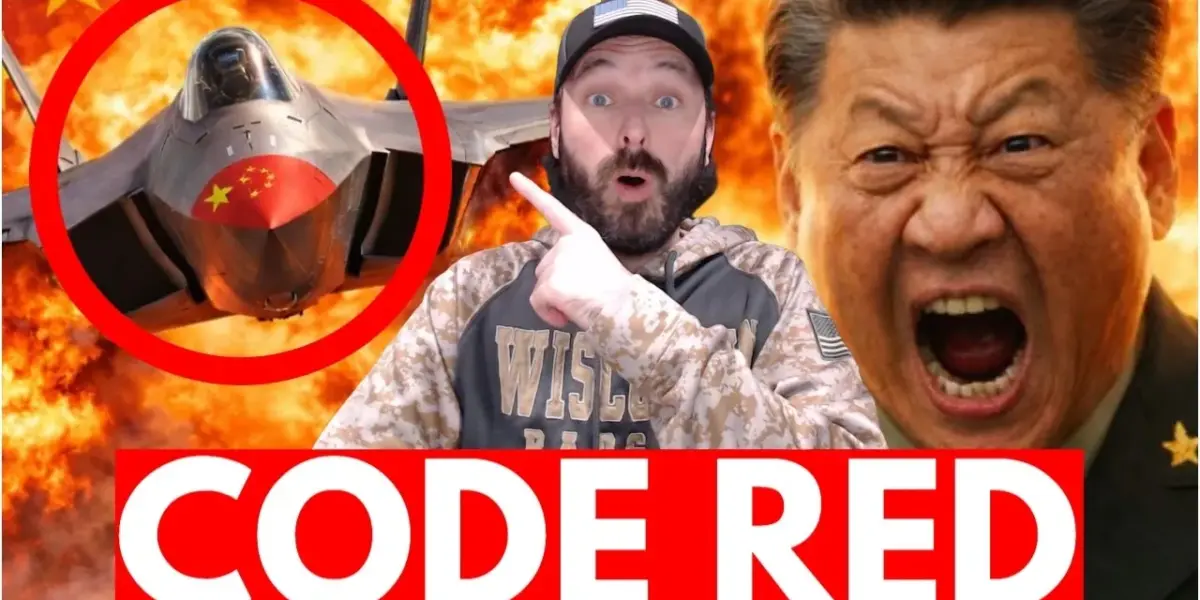
China’s Fighter Jets Swarm Taiwan: A New Invasion Tactic Emerges
Tensions in the Indo-Pacific have reached a fever pitch as China has recently conducted large-scale military drills surrounding Taiwan, deploying a significant number of fighter jets and naval warships. This aggressive maneuver, occurring on March 16th, has raised alarm bells not only due to the sheer scale of military assets involved but also because of reports indicating a novel and concerning tactic: the potential use of civilian fishing vessels as a component of an invasion strategy.
A Calculated Provocation Amidst Shifting Global Focus
The recent surge in Chinese military activity near Taiwan is not an isolated incident but appears to be a calculated response to perceived shifts in the global geopolitical landscape. The analysis suggests that China may be capitalizing on the United States’ increased focus on the Middle East, particularly concerning Iran. The relocation of U.S. military assets, such as the THAAD missile system from South Korea, has been interpreted as a signal that American attention is diverted, potentially creating a window of opportunity for more assertive actions against Taiwan.
This strategy mirrors historical patterns observed with other authoritarian regimes. Just as North Korea began launching ballistic and cruise missiles following the departure of U.S. defensive systems, China appears to be testing boundaries and probing for weaknesses. The recent drills saw 26 Chinese military aircraft detected around Taiwan, with 16 entering its air identification zones from various directions, accompanied by seven naval warships. This comprehensive encirclement suggests a simulated invasion scenario, aiming to pressure Taiwan and assess its defensive readiness.
The Curious Case of the Fishing Fleet
Beyond the conventional military displays, a more insidious development is the massing of thousands of Chinese fishing vessels in the East China Sea. Reports indicate these fleets are organizing in geometric formations, a coordinated action that experts believe is part of Beijing’s preparations for potential regional crises or conflict. This tactic deviates significantly from traditional invasion blueprints, which would require extensive logistical staging and would be readily detectable by U.S. surveillance.
The strategy involving fishing boats is reportedly designed to deceive and overwhelm. The idea is to deploy Chinese soldiers disguised or embedded within these civilian vessels, attempting a cross-strait invasion that does not immediately resemble a conventional military assault. By using seemingly innocuous fishing fleets, China hopes to catch Taiwan and its allies off guard, presenting an invasion that is difficult to distinguish from routine maritime activity until it is too late. This method aims to bypass the intelligence-gathering capabilities that would typically detect a large-scale military buildup.
Taiwan’s Defensive Evolution
In response to these escalating threats, Taiwan is actively bolstering its indigenous defense capabilities. The Ministry of Defense plans to integrate its first domestically produced regional air defense system by the following year. This system includes advanced components like the Tien Kung 3, Tien Kung 4, and Land Sword 2 missile systems. The ultimate goal is to link these systems with the U.S. Integrated Battle Command System, creating a robust T-Dome network capable of coordinating with American Patriot and NASAMS air defense assets.
The ongoing provocative flights by Chinese aircraft serve a dual purpose: they are a show of force and a valuable intelligence-gathering opportunity. Each time Taiwan activates its air defenses in response to these drills, it provides China with critical data on the performance, range, and operational characteristics of Taiwanese and allied air defense systems. Naval vessels likely engage in signals intelligence to further map and understand these capabilities, aiding in the refinement of future offensive strategies.
A Coordinated Regional Strategy?
Adding another layer to the geopolitical complexity, North Korea continues its pattern of missile tests and provocations. While North Korea is unlikely to be directly involved in a conflict over Taiwan, its actions serve to distract and divert attention and resources away from the primary theater. This coordinated approach, with China applying pressure in the East China Sea and North Korea rattling its own sabers, suggests a broader strategy to stretch global security responses thin.
Why This Matters
The implications of China’s escalating military posturing near Taiwan are profound. It signals a potential shift in Beijing’s approach to reunification, moving towards more aggressive and unconventional methods. The use of civilian assets like fishing vessels introduces a new dimension of hybrid warfare, blurring the lines between military and civilian operations and complicating international responses. Taiwan’s commitment to developing its own advanced air defense systems underscores its determination to defend itself, but the escalating pressure highlights the precariousness of the regional security balance.
Implications, Trends, and Future Outlook
This situation reflects a broader trend of increasing assertiveness by authoritarian states, particularly in challenging the established international order and territorial norms. China’s strategy of probing and testing defenses, coupled with the development of novel invasion tactics, suggests a long-term campaign to achieve its objectives, potentially through coercive means rather than outright conventional warfare, at least initially. The international community faces the challenge of responding effectively without triggering wider conflict, while simultaneously supporting Taiwan’s self-defense efforts.
The future outlook remains uncertain, but the current trajectory indicates continued military pressure from China. The effectiveness of Taiwan’s upgraded air defense systems, the resolve of the United States and its allies to intervene, and the strategic calculus of Beijing will all play critical roles in shaping the outcome. The integration of civilian assets into military planning represents a concerning evolution in conflict strategy that demands close monitoring and careful diplomatic and defensive planning.
Historical Context
The People’s Republic of China (PRC) has long claimed Taiwan as a renegade province, vowing to bring it under its control, by force if necessary. This claim is rooted in the Chinese Civil War, which ended in 1949 with the Nationalist government retreating to Taiwan. Since then, the geopolitical status of Taiwan has been a persistent source of tension. Periodic military exercises and incursions into Taiwan’s air defense identification zone by the People’s Liberation Army (PLA) have been a feature of cross-strait relations for decades. However, the scale, sophistication, and reported tactical innovations, such as the use of fishing fleets, suggest an intensification and potential evolution of these long-standing pressures.
Source: China's Fighter Jets SWARM Taiwan – Warships Surround Island (YouTube)

Related Articles


G7 Allies Clash Over Iran War Strategy, Urge Focus on Russia
G7 foreign ministers met in Paris, revealing deep divisions over the U.S. war with Iran. European allies urged the U.S. to pressure Russia, linking its actions to the conflict and fearing support for Ukraine will wane.


US Must Block China’s Tech Access for Security
US national security experts are raising alarms about China's access to advanced AI chips, arguing it threatens strategic advantages. This, coupled with charges against Chinese entities for fentanyl precursor sales and a ban on foreign routers, signals a growing effort to prioritize security over business ties.
Iran Blocks China Ships, Exposing Beijing’s Weak Grip
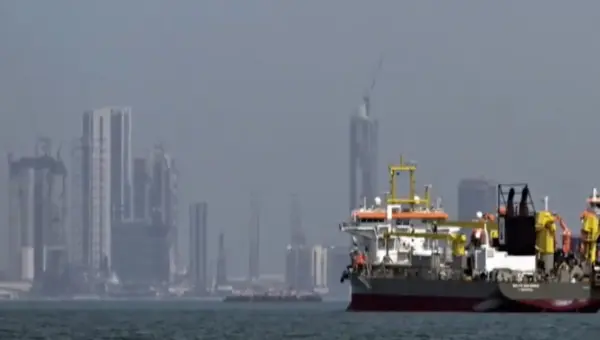
Iran's recent decision to block Chinese ships at the Strait of Hormuz is exposing the limits of Beijing's influence in the Middle East. This action is causing delays and cancellations for Chinese manufacturers, turning a perceived geopolitical win into an economic strain.