China’s Iran Gambit: A Risky Game of Two Faces
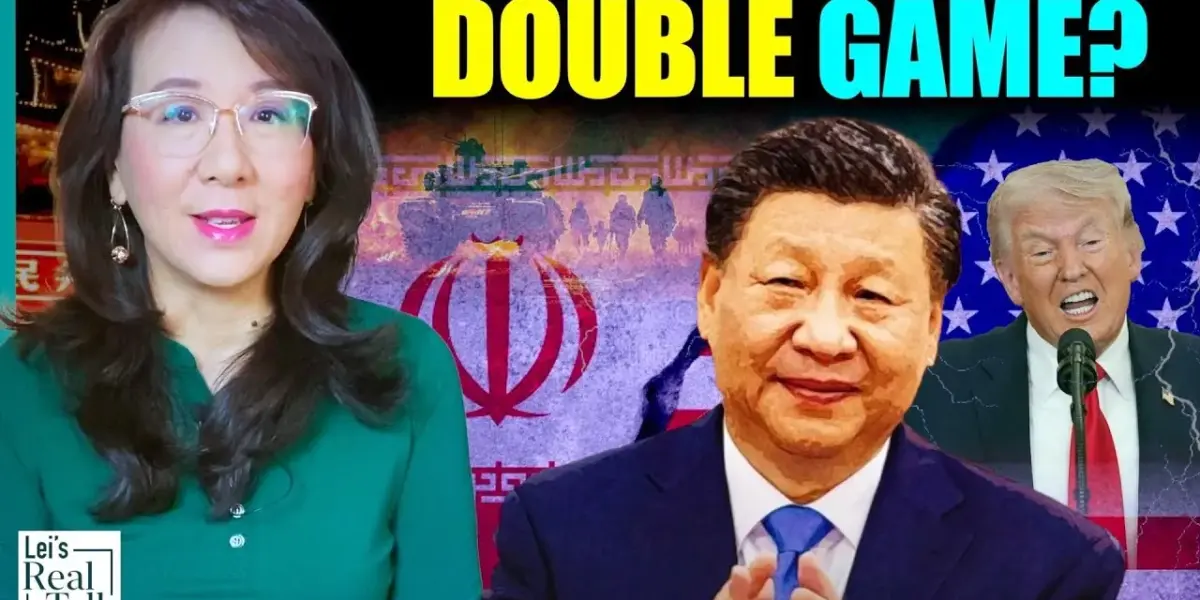
China's public calls for peace in the Iran conflict mask a private strategy of buying discounted oil, reports suggest. This "double game" now risks China's economy through rising oil prices and supply chain stress, potentially costing billions.

China’s Iran Gambit: A Risky Game of Two Faces
China’s involvement in the ongoing tensions surrounding Iran might be more complex than it appears. While Beijing publicly states its desire for peace and mediation, new information suggests a more complicated strategy. This strategy seems to involve supporting Iran privately while publicly working to ease relations with the United States.
This approach appears to be a hallmark of Chinese President Xi Jinping’s leadership style. He often presents one message to the world and another in private discussions. However, this tactic may now be causing problems for China itself. The conflict’s impact is starting to hurt China’s economy through higher oil prices and disrupted supply chains.
The Public vs. The Private: A Tale of Two Chinas
China has positioned itself as a voice for de-escalation in the Middle East. They have called for calm and suggested diplomatic solutions to the conflicts involving Iran. This public stance is designed to show China as a responsible global player, seeking stability.
Yet, reports indicate that behind the scenes, China’s actions tell a different story. The country has reportedly continued to buy oil from Iran, often at discounted prices. This provides Iran with much-needed revenue, which critics argue helps fund its activities in the region. It’s like a company saying it supports ethical labor practices while secretly buying goods from a factory known for poor working conditions.
Economic Ripples at Home
The consequences of this dual strategy are now being felt within China. Rising global oil prices, partly influenced by the instability in the Middle East, directly impact China’s economy. Imported oil is a significant cost for China, and higher prices mean increased expenses for businesses and consumers.
Supply chains, already strained by various global factors, face further stress. Disruptions in shipping routes or increased shipping costs add to the economic pressure. The video suggests a potential economic shock of up to $110 billion for China, highlighting the significant financial stakes involved.
Historical Context: China’s Growing Global Role
For decades, China focused primarily on its own economic development, often adopting a non-interventionist foreign policy. However, as China’s economic power has grown, so has its global influence and involvement. This includes playing a more active role in international affairs, particularly in regions vital to its energy security.
Iran is a major oil producer, and China is a massive energy consumer. Securing reliable and affordable energy sources has always been a top priority for Beijing. Historically, China has sought to maintain stable relationships with energy-producing nations, sometimes navigating complex geopolitical situations to ensure its supply.
Why This Matters
China’s actions in the Iran conflict are important for several reasons. Firstly, it highlights the challenges of balancing competing interests: maintaining economic ties with Iran versus managing relations with the U.S. and other Western powers. Secondly, it shows how global events can directly affect major economies, even those that seem distant.
The situation also raises questions about China’s reliability as a mediator. If China is seen as benefiting from the conflict privately while publicly calling for peace, its ability to broker lasting solutions could be undermined. This could affect its standing on the world stage and its aspirations to be a leading global power.
Implications and Future Outlook
The current situation presents a difficult path forward for China. Continuing to buy discounted Iranian oil might offer short-term economic benefits, but it risks further international criticism and potential economic repercussions. The video suggests that China’s current strategy might be unsustainable.
If the conflict escalates or if international pressure mounts, China may be forced to choose between its economic relationship with Iran and its broader global interests. This could lead to a significant shift in its foreign policy. The trend shows China increasingly asserting its influence, but this conflict tests the limits of how far it can push its dual strategy without facing serious consequences at home and abroad.
Source: Is China Playing Both Sides in the Iran War? (YouTube)

Related Articles
Trump’s Iran Strategy Falters, Sparking Global Oil Pain
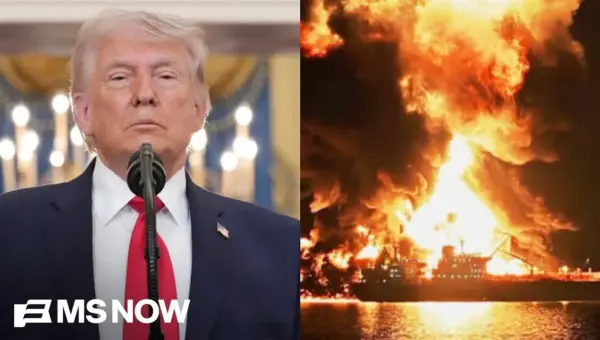
President Trump's recent speech defending his administration's actions in Iran has drawn widespread criticism for its lack of clarity and strategic direction. The address coincided with growing global concerns over oil prices and potential energy crises, as international diplomats met to address the Strait of Hormuz while the U.S. was absent. Domestic polls also show a significant disapproval of Trump's handling of the conflict.

China Exploits Birthright Citizenship for American Dreams
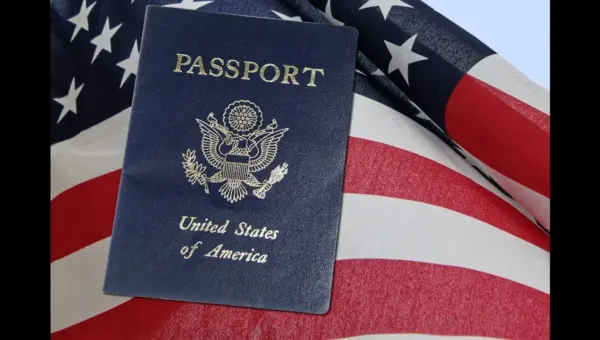
Wealthy Chinese nationals are using U.S. surrogates to gain American citizenship for their children, raising national security and election influence concerns. The practice exploits birthright citizenship, a policy now under renewed debate.
US Strikes Iran Hard: Is the War Shifting?
The US has significantly increased its military strikes against Iran, hitting over 12,300 targets. This action appears to be reducing Iran's attacks, but Tehran vows to continue supporting its regional allies. Meanwhile, President Trump's questioning of NATO adds another layer of global uncertainty.