China’s Global Grip Loosens Amidst Sanctions and Shifting Alliances
Recent weeks have seen China facing increased scrutiny, from accusations of supplying Russia with military hardware to allegations of foreign influence operations targeting U.S. politics. Meanwhile, strategic alliances and economic countermeasures by rivals like the U.S. and Japan signal a potential shift in global power dynamics.

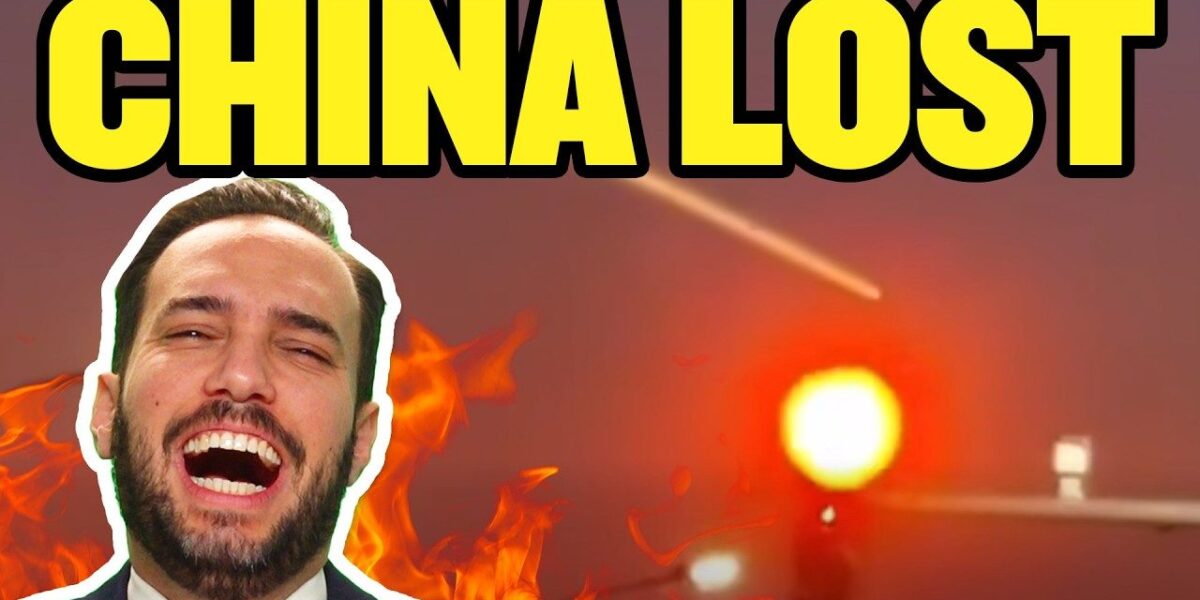
China’s Global Grip Loosens Amidst Sanctions and Shifting Alliances
Recent weeks have painted a complex picture for China on the international stage, marked by accusations of foreign influence operations, strained diplomatic ties, and significant economic maneuvers by its rivals. While Beijing maintains a narrative of consistent policy and unwavering strength, a series of events suggest a growing international pushback and a potential erosion of its global influence.
Russia’s War Chest and China’s Denials
The ongoing conflict in Ukraine continues to cast a shadow over China’s international relations. Reports indicate that China has supplied Russia with substantial military-related equipment, valued at $10.3 billion, including specialized machine tools crucial for manufacturing advanced weaponry like nuclear-capable hypersonic missiles. This revelation directly contradicts China’s stated neutral stance on the conflict and its claims of not providing military aid. The implication is that China may be leveraging the war to test global reactions, potentially in preparation for future geopolitical actions, such as an invasion of Taiwan. Beijing’s consistent denial of these reports, framing them as attempts to shift blame, is met with skepticism by many observers who see a pattern of strategic ambiguity and support for its “no limits” partner.
The Shadow of Chinese Agents in the West
The United States has seen a notable increase in the prosecution of individuals accused of acting as agents for the Chinese Communist Party (CCP). The recent sentencing of Yaoing Mike Sun, a 65-year-old former PLA member, to four years in federal prison for acting as an unregistered Chinese agent, highlights these concerns. Sun’s activities included spying on Taiwanese President Tsai Ing-wen during her U.S. visit and, more significantly, allegedly funneling CCP funds to support the campaign of his ex-fiancée, Eileen Wong, now the mayor of Arcadia, California. This case underscores fears that hostile foreign powers are attempting to influence local U.S. politics through financial means, a tactic that raises profound questions about electoral integrity and national security.
Code Pink and the Erosion of Trust
Adding to the complex web of influence operations, a U.S. State Department report has formally identified Code Pink, a prominent anti-war organization, and other far-left groups as conduits for Chinese influence. The report alleges that these groups, along with others linked to the Sigum Network, are used by China, Iran, and Russia to sow discord and undermine U.S. interests. The specific mention of Code Pink co-founder Jodie Evans’ marriage to Neville Roy Singum, a billionaire funding Marxist groups and U.S. demonstrations, points to a sophisticated network allegedly benefiting from CCP-aligned donors. The State Department’s assertion that these organizations denigrate the U.S., whitewash Marxist regimes, and act as a cover for China, while receiving substantial funding, signals a potential shift in how such groups are perceived and potentially regulated.
The Crushing of Dissent in Hong Kong
In a stark reminder of Beijing’s tightening control, Hong Kong pro-democracy activist Jimmy Lai has been sentenced to 20 years in prison. Already in ill health and having served over five years in custody, Lai’s sentence, handed down under the draconian National Security Law, is viewed by rights groups as a de facto death sentence. The conviction for alleged conspiracies and collusion with foreign forces effectively signals the end of any meaningful legal recourse or justice for dissent in Hong Kong. The lack of strong condemnation from international leaders, such as British Prime Minister Keir Starmer, during recent diplomatic engagements, has also drawn criticism, suggesting a prioritization of economic ties over human rights.
Strategic Alliances and Economic Countermeasures
Despite these challenges, the international community is not standing idly by. In a significant move to counter China’s dominance in critical minerals, former President Donald Trump has launched “Project Vault.” This initiative aims to establish a $12 billion mineral stockpile, combining private funding with a $10 billion loan, to reduce U.S. dependence on China, which has a near-monopoly on rare earth elements. The project seeks to bolster American industries, including automakers and tech companies, by ensuring a stable supply of these vital materials.
Furthermore, Japan is deepening its strategic and economic cooperation with the United States. Prime Minister Fumio Kishida is set to discuss U.S. participation in Japan’s rare earth mining efforts, including deep-sea extraction. This collaboration is particularly significant as TSMC, the world’s leading chip manufacturer, announces plans to build a second advanced chip plant in Japan, producing three-nanometer chips. Analysts suggest this move by TSMC might be a strategic diversification to mitigate risks associated with a potential Chinese invasion of Taiwan. The growing technological and resource cooperation between the U.S. and Japan presents a united front against China’s assertiveness.
Why This Matters
The confluence of these events—ranging from allegations of foreign election interference and the suppression of dissent to strategic economic alliances and resource stockpiling—indicates a growing global recalibration of relationships with China. The narrative of China as an unassailable economic and geopolitical force is being challenged by both internal and external pressures. The U.S. and its allies are increasingly employing a multi-pronged strategy, combining diplomatic pressure, legal sanctions, economic countermeasures, and technological diversification to mitigate perceived threats and reduce reliance on Beijing.
Implications, Trends, and Future Outlook
This period suggests a trend towards greater scrutiny of China’s international activities, particularly concerning its influence operations and its role in global supply chains. The diversification of critical mineral sources and advanced manufacturing away from China, as seen with Project Vault and TSMC’s move to Japan, signals a potential shift in global economic structures. The increasing focus on countering foreign influence operations, both domestically and internationally, may lead to more stringent regulations and greater transparency requirements for non-profit organizations and international collaborations.
The future outlook points towards continued geopolitical tension, with China likely to respond assertively to perceived containment efforts. However, the coordinated actions by the U.S., Japan, and other allies suggest a growing resolve to push back against China’s expanding influence and to secure strategic resources and democratic values. The effectiveness of these countermeasures will depend on sustained international cooperation and China’s ability to adapt to a more challenging global environment. The days of unquestioned Chinese dominance in certain sectors may be waning, replaced by a more contested and complex international landscape.
Source: This Was a BAD Week For China (YouTube)

Related Articles
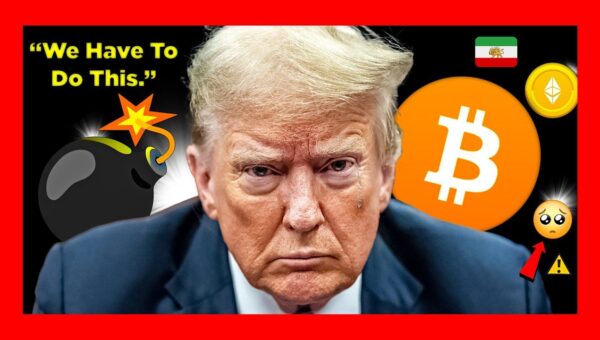
Geopolitical Turmoil Bolsters Bitcoin Amidst ETF Inflows
Geopolitical tensions and strong Bitcoin ETF inflows are creating a resilient market. Analysts point to exhausted sellers and the potential for capital rotation into crypto, while regulatory clarity on the Clarity Act could unlock significant institutional investment.

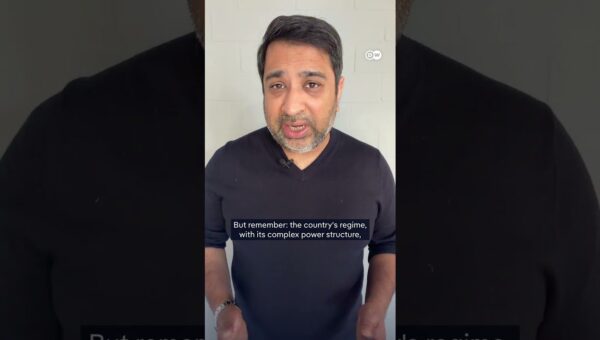
Trump Threatens “Unseen” Force on Iran After Leader’s Death
Following the assassination of Supreme Leader Ayatollah Ali Khamenei, U.S. President Donald Trump has vowed to unleash unprecedented force on Iran. While outlining ambitious goals including regime change, experts express skepticism about the effectiveness of airstrikes and the potential for popular uprising against a resilient Iranian government.


Trump’s War Rhetoric: Casualties Are a Burden He’ll Bear
Donald Trump's acknowledgment of potential casualties in a conflict, described as illegal and unconstitutional, has drawn criticism for perceived detachment. The analysis explores the implications of such rhetoric and the leader's responsibility for initiating warfare.