China’s Electric Vehicle Overproduction Crisis: A Bubble Poised to Burst?
China's aggressive push for EV dominance has resulted in a massive overproduction crisis, flooding markets with potentially substandard and unwanted vehicles. Critics argue this unsustainable model, driven by subsidies and a culture of excess, is creating an environmental and ethical burden, with the "bubble" now appearing poised to burst.

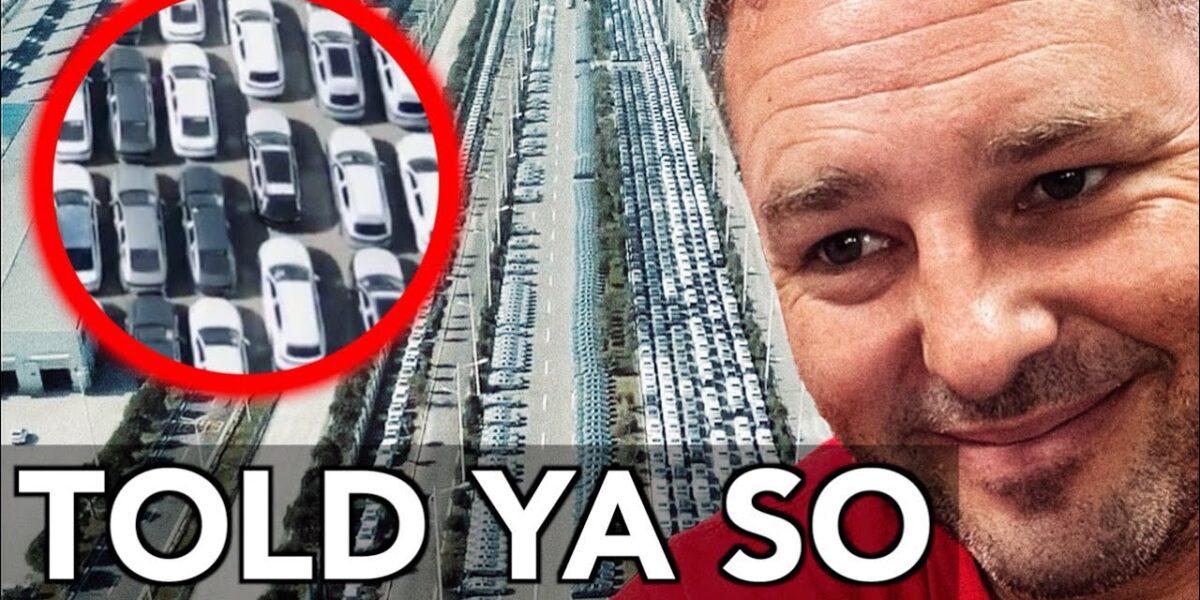
China’s EV Manufacturing Frenzy: A Deluge of Unwanted Vehicles?
For years, China has pursued an aggressive strategy to dominate the global electric vehicle (EV) market. Fueled by government subsidies, incentives, and a national directive to become the world’s leading EV producer, Chinese manufacturers have ramped up production to unprecedented levels. However, a growing chorus of critics and observers suggests this relentless output has created a colossal surplus, leading to a glut of unsold vehicles that are now clogging ports, fields, and even international parking lots. The question on many minds is: is China’s electric vehicle bubble finally bursting?
A Culture of Excess and Its Manifestation in EV Production
The phenomenon of overproduction in China is not limited to the automotive sector. Observers note a societal tendency towards wastefulness, extending from personal dining habits to large-scale industrial output. This perceived culture of excess, characterized by ordering far more than can be consumed and a drive to utilize resources while they are available, is argued to be a foundational element contributing to the current EV surplus. When applied to the ambitious goal of becoming a global EV powerhouse, this approach has resulted in an onslaught of vehicles, many of which are described as cheap, substandard, and ultimately unwanted by consumers.
The Scale of the Surplus: Vehicles Lined Up and Shipped Abroad
The evidence of this overproduction is stark and visible. Reports and imagery depict vast quantities of new EVs lining streets, filling open fields, and occupying shipping ports. The sheer volume is staggering, with car transport ships arriving at ports carrying as many as 7,000 vehicles each, all requiring storage and onward distribution. This surplus has even extended to international shores, with anecdotal evidence pointing to entire parking lots, such as one at an Australian water park, being used as makeshift storage facilities for unsold EVs, primarily from manufacturers like BYD.
Government Incentives and the Race to Produce
The Chinese Communist Party’s (CCP) directive to lead in EV production has been a primary driver of this manufacturing boom. Government subsidies, financial enablement, and strong encouragement have pushed domestic companies to churn out EVs at an astonishing rate. While this strategy has generated economic activity, created jobs, and sustained supply chains, it has come at a significant cost. Critics argue that the focus on quantity over quality, coupled with the sheer scale of production, has led to the creation of vehicles that do not meet market demand or quality expectations.
Concerns Over Quality, Safety, and Ethical Implications
A significant concern raised is the quality and safety of the majority of Chinese-produced EVs. While acknowledging that some high-quality and well-regarded models exist, the consensus among critics is that these represent a small minority. The bulk of production is characterized by quality control issues, leading to breakdowns, component failures, and even serious safety hazards. High-profile incidents, including instances where airbags failed to deploy in crashes and cases of vehicles catching fire, trapping occupants, have been highlighted. One particularly tragic example cited involved a crash of a replica Porsche EV, which resulted in the deaths of three young women due to fire. The prevalence of such incidents has led to government mandates, such as the prohibition of certain types of electric door handles, indicating a reactive approach to safety concerns rather than a proactive one.
Beyond immediate safety concerns, the production of these EVs has broader ethical and environmental implications. The manufacturing process is energy-intensive, requiring significant resources for smelting steel, operating robotics, and producing batteries. The mining of essential minerals, particularly cobalt and lithium, often occurs in regions with documented issues of forced child labor and exploitative working conditions, such as in parts of Africa. This raises serious questions about the sustainability and ethical footprint of China’s EV manufacturing strategy.
The Echoes of Past Overproduction: Shared Bikes and Fast Fashion
The current EV situation is not an isolated incident in China’s industrial history. Similar patterns of massive overproduction and subsequent waste have been observed in other sectors. The example of the shared bicycle phenomenon is frequently cited. Driven by investment and a speculative boom, hundreds of millions of shared bikes were produced. However, demand could not keep pace with supply, leading to a situation where cities were inundated with bicycles. Many of these were ultimately abandoned, creating mountains of discarded metal, rubber, and electronics, and resulting in an ecological disaster. The fast fashion industry, with platforms like Shein and Temu, also exemplifies this model, generating vast quantities of returned items that contribute to global waste streams.
The Imminent “Bubble Burst” and its Consequences
The current EV overcapacity has reached a critical point, leading many to believe the bubble is about to burst. With millions of unsold vehicles, the Chinese automotive market is facing unprecedented challenges. The sheer abundance of available cars, many of which are perceived as low-quality or unwanted, drives down prices and makes profitability nearly impossible for manufacturers. Companies are forced to compete fiercely, undercutting each other to move inventory, often selling vehicles at a loss. This situation is exacerbated by government rewards for moving units, which perpetuates the cycle of production.
The surplus also poses a significant problem for consumers. The availability of so many cheap, potentially subsidized vehicles makes it difficult for new, genuinely valuable cars to compete. The perception is that one could acquire an EV at a fraction of its value, or even for free, simply due to the overwhelming surplus. This dynamic is unsustainable and is seen as detrimental to the long-term health of China’s automotive industry.
Broader Implications: Environmental, Ethical, and Economic
The consequences of this overproduction extend far beyond China’s borders. The environmental impact, from resource extraction and manufacturing pollution to the transportation of unsold goods, is substantial. The ethical concerns surrounding labor practices in mineral extraction remain a significant issue. Economically, the unsustainable model threatens the viability of Chinese automakers and could have ripple effects on the global automotive market.
Furthermore, the situation raises questions about the global demand for EVs and the feasibility of rapidly transitioning to electric mobility without a robust and sustainable production infrastructure. While the push for EVs is crucial for combating climate change, the current trajectory in China suggests that the methods employed may be creating more problems than they solve.
Consumer Choice and the Call for Prudence
In light of these concerns, there is a growing call for consumers to exercise caution when considering Chinese-made EVs. While some may offer good value, the predominant narrative suggests that many are of poor quality and potentially unsafe. The recommendation is to opt for vehicles from established brands with a proven track record of reliability, good warranties, and solid after-sales service, whether new or used. The overarching message is that the current overproduction crisis in China’s EV sector is not beneficial for anyone and highlights the need for a more sustainable and ethical approach to manufacturing and consumption.
Source: China's EV Car Bubble is Finally Bursting! (YouTube)

Related Articles

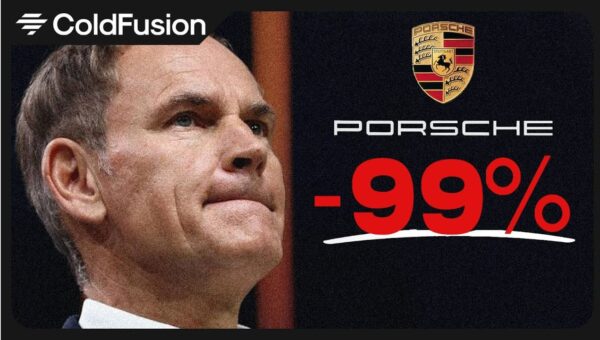
Porsche’s Profit Plunge: A Business Model in Crisis
Porsche's operating profit has plummeted by 99%, signaling a crisis for its long-standing business model. The luxury automaker faces challenges from shifting market demands, intense EV competition, and the high costs of electrification, forcing a strategic recalibration.


Used EVs Offer Strong Value Proposition for Consumers
Consumers are finding significant value in the used electric vehicle market, with some models like older Teslas retaining their value remarkably well. This trend offers a compelling alternative to purchasing new vehicles, highlighting the long-term cost-effectiveness of pre-owned EVs.


Tesla Slashes Prices, Making Model 3 More Accessible
Tesla has introduced a more affordable rear-wheel-drive Model 3, significantly lowering the barrier to entry for its popular EV. This move comes as European EV sales surge, highlighting the growing demand for electric mobility.