China’s Blazing Crisis: Systemic Corruption and Shoddy Construction Fuel a Nationwide Fire Epidemic

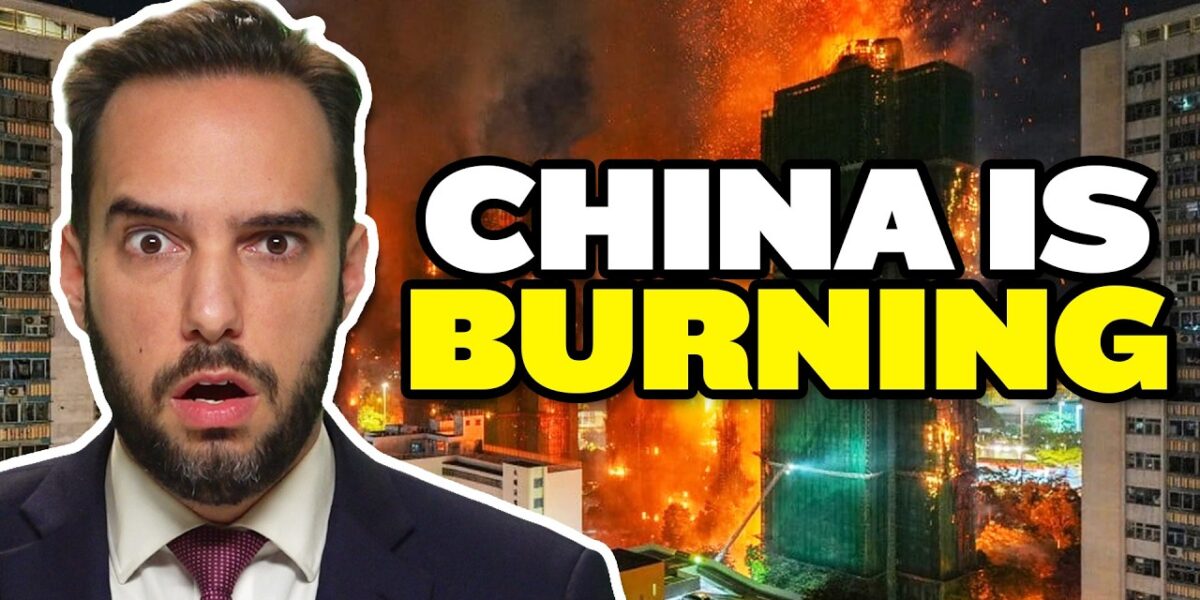
China’s Blazing Crisis: Systemic Corruption and Shoddy Construction Fuel a Nationwide Fire Epidemic
China, a nation defined by rapid development and ambitious infrastructure projects, is grappling with a severe and escalating fire safety crisis. What some observers describe as a “giant powder keg waiting to get ignited” is increasingly experiencing devastating blazes, highlighting a deeply rooted problem of systemic negligence, widespread corruption, and a pervasive culture of cutting corners at the expense of public safety. From residential towers to manufacturing plants, and even the burgeoning electric vehicle fleet, the country faces a persistent threat that is claiming lives and exposing critical vulnerabilities in its regulatory and enforcement mechanisms.
The issue extends beyond isolated incidents, painting a grim picture of a system where profit often trumps safety, facilitated by a lack of robust oversight and accountability. This pervasive challenge is manifesting in various forms, from the materials used in construction to the integrity of electrical systems and the efficacy of emergency response infrastructure.
Hong Kong’s Tragic Blaze and the Scapegoat Narrative
The recent Lunar New Year, traditionally a time of celebration, was tinged with sorrow for many, particularly the victims of a catastrophic fire in Hong Kong in November. This tragedy, which reportedly claimed the lives of 168 Hong Kongers, according to local police, brought into sharp focus the underlying issues plaguing construction and safety standards.
Immediately following the incident, mainstream media outlets reportedly focused blame on bamboo scaffolding, a traditional building material still widely used in Hong Kong. This narrative, however, quickly drew criticism for potentially serving as a convenient scapegoat. Critics argued that this focus diverted attention from more profound, systemic problems. As Hun Lamb, a director at the Hong Kong Democracy Council, reportedly pointed out, the emphasis on bamboo scaffolding “ignores the structural rot that made this tragedy possible,” attributing it to “systemic negligence made worse by the CCP’s tight grip over Hong Kong.” This perspective suggests that the push to blame scaffolding may have been an attempt to align Hong Kong with mainland Chinese authorities, who banned bamboo scaffolding in 2022, thereby deflecting responsibility from broader governmental or systemic failures.
Further investigation into the Hong Kong fire revealed disturbing allegations of corruption and negligence. Residents had reportedly complained to officials a year prior about building renovations that utilized flammable polystyrene foam panels and scaffold netting, suspecting a corrupt syndicate. Official records reportedly showed that authorities conducted at least 16 inspections of the site between mid-2024 and late 2025, including one just a week before the fire. Yet, inspectors allegedly failed to report any fire hazards, leading to questions about the integrity of these inspections. Reports were inconsistent, with officials simultaneously noting potential violations of fire safety standards for netting while also claiming the building had “relatively low fire risks.”
The contractor responsible for the renovations, Prestige Construction and Engineering, was reportedly allowed to undertake 28 simultaneous private building projects despite having been penalized by the city’s safety regulator over a dozen times and being involved in several corruption-related disputes. This situation exemplifies a culture where “corporations and government officials collaborate to make profit via bribes and other shady practices at the expense of people’s safety,” a dynamic that critics argue is not a “bug” but a “feature” of the prevailing system.
The “Tofu Construction” Epidemic: Flammable Materials and Design Flaws
The issues highlighted by the Hong Kong blaze are not isolated to the Special Administrative Region but are indicative of a broader pattern across mainland China, particularly in what is often referred to as “tofu construction” – a derogatory term for shoddy, unsafe building practices. Fire safety, it appears, is far from a priority in many Chinese construction projects.
A significant contributing factor is the widespread use of flammable materials. The polystyrene foam panels mentioned in the Hong Kong context are ubiquitous in Chinese construction, especially the “sandwich panels” that enclose foam between steel or aluminum sheets. These panels, extensively used during China’s property boom, are notoriously unsafe. Incidents such as a December 2025 Hub nursing home fire, reportedly caused in part by polystyrene core sandwich panels failing fire-resistant standards, and a 2021 Junging Martial Arts School fire exacerbated by combustible sandwich panels, underscore this danger. A similar pattern was observed in a 2025 fire in Leoning, indicating a recurring problem.
While China has recently implemented restrictions on insulation layers, the ingrained practice of construction companies cutting corners, driven by cost-saving measures and potentially corrupt incentives, suggests that such regulations may not be effectively enforced.
A Spark Ignites the Keg: Rampant Electrical Failures
Beyond flammable materials, rampant electrical short circuits are another major cause of fires across China. This issue was identified in the 2025 Hub nursing home fire and was reportedly responsible for the deaths of 121 people in a Gilin poultry plant in 2013. The root cause often lies with cheap, substandard electrical components.
Chinese power strips and cords are frequently made of thin plastic, contain internal metal components that loosen quickly, and use small wires incapable of handling electrical loads. Even when adorned with international quality control logos, these products often fail to meet safety standards, posing a significant fire risk. A 2012 U.S. safety officer report highlighted these deficiencies, warning consumers to assume poor quality from Chinese power strips. Similarly, Chinese power sockets are a common cause of home fires, according to Chinese government officials, due to manufacturers cutting corners on heat resistance and overcharge prevention mechanisms.
The problem is compounded by unsafe charging practices, such as running wires from upper floors to streets for charging devices like electric bikes, exposing wires to wear and tear and increasing the likelihood of short circuits. Furthermore, the rapid proliferation of “cheap, crappy EVs” (Electric Vehicles) in China introduces a new layer of mobile fire hazards. These vehicles are reportedly prone to combustion, essentially transforming into “mobile fire hazards that’s swarming the entire nation like gazillions of ticking time bombs,” as one observer noted.
Inadequate Infrastructure Meets Soaring Risks: High-Rise Fire Challenges
The frequency and devastation of fires in China are exacerbated by inadequate fire infrastructure and widespread fire code violations. Automatic sprinkler systems often malfunction, as seen in the 2025 Hub nursing home fire. In the 2010 Shanghai fire, which engulfed a 28-story building reportedly covered with flammable nylon netting, there was even uncertainty about whether sprinklers were installed at all.
The rapid growth of high-rise buildings in China has outpaced the development of effective firefighting technology and capabilities. Despite viral videos purporting advanced Chinese firefighting, the reality on the ground often tells a different story. During the 2010 Shanghai fire, more than 80 fire trucks reportedly struggled to combat the blaze on upper floors due to insufficient reach. A similar situation occurred in a 2013 Guangjo fire, where water hoses could only reach the 10th floor of a 25-story building.
The statistics are alarming: according to Nature magazine, China recorded 17,000 high-rise fires in 2022, a staggering 276% increase from 2021. The Straight Times reported an even further increase to 23,000 incidents in 2023, a 35% rise from the previous year. This surge, coupled with frequent factory fires, raises concerns about the overall safety landscape.
The Human Cost and Systemic Corruption
The human cost of China’s fire crisis is substantial, extending to the firefighters themselves. Chinese firefighters reportedly face lackluster protections, particularly in rural areas, leading to a significantly higher fatality rate compared to their counterparts in countries like the United States. Bloomberg reported that Chinese firefighters were almost four times as likely to be killed on duty in 2015 as U.S. firefighters.
Compounding these dangers is rampant corruption within the firefighting force and safety inspection agencies. In response to the Hong Kong fires, China launched a nationwide fire safety inspection, which reportedly led to numerous officials being sacked for accepting bribes in exchange for tampering with safety inspections and recommending specific companies’ services. This institutionalized corruption undermines the very foundation of fire safety, turning regulatory bodies into facilitators of risk rather than guardians of public well-being.
Broader Implications and the Path Forward
The pervasive nature of fire safety issues in China – from “tofu construction” and flammable materials to faulty electrical systems, inadequate firefighting infrastructure, and deep-seated corruption – paints a concerning picture. These are not merely isolated accidents but symptoms of a systemic problem rooted in governance, economic priorities, and a culture that has historically prioritized rapid growth over stringent safety standards and ethical conduct.
The human and economic toll of these fires is immense, highlighting an urgent need for comprehensive reform. Addressing this crisis would require a multi-pronged approach: strengthening regulatory frameworks, ensuring rigorous and uncorrupted enforcement, investing in modern firefighting technology and training, improving the quality of construction materials and electrical components, and fostering a culture of accountability at all levels of government and industry. Without such fundamental changes, China risks continued devastating losses and a perpetuation of its identity as a nation constantly on the brink of combustion.
Source: Everything in China Will Burn (YouTube)

Related Articles


Trump Threatens “Unseen” Force on Iran After Leader’s Death
Following the assassination of Supreme Leader Ayatollah Ali Khamenei, U.S. President Donald Trump has vowed to unleash unprecedented force on Iran. While outlining ambitious goals including regime change, experts express skepticism about the effectiveness of airstrikes and the potential for popular uprising against a resilient Iranian government.


Senator Coons Questions Trump’s Iran Strategy After Troop Deaths
Senator Chris Coons has sharply criticized President Trump's strategy in Iran following the deaths of three U.S. service members. Coons questioned the intelligence regarding Iran's nuclear proximity and the lack of clear strategy and congressional debate for the "war of choice."


Austin Shooting: FBI Probes Terror Ties After 2 Dead, 14 Hurt
A deadly shooting on Austin's 6th Street left two dead and 14 injured, prompting an FBI investigation into potential terrorism links. The gunman was killed by police after opening fire near Buford's bar. Authorities are collecting evidence and witness testimony.