China Warns of Global Fallout as Iran War Escalates
China is calling for a ceasefire in the escalating Iran war, warning of global economic fallout and blaming the US and Israel for disruptions. Beijing's response is cautious, prioritizing stability for its export-driven economy over actively shaping the conflict's outcome. The war highlights China's complex position, needing a stable global system it has also sought to challenge.

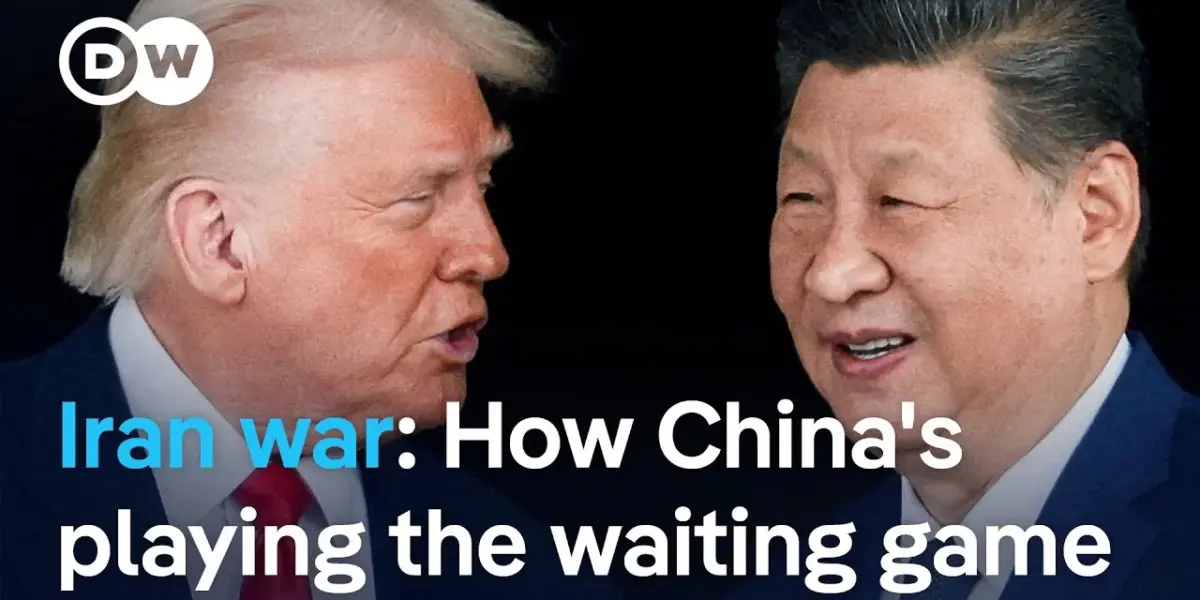
Global Trade Disrupted as Iran War Enters Sixth Week
The war in Iran has now entered its sixth week, leading to a near-total closure of the Strait of Hormuz, a vital shipping lane. Since March 1st, only about 150 vessels have successfully passed through the strait, with most linked to Iran and China. While China might not be feeling the immediate economic pain as severely as some of its neighbors, the ongoing conflict is significantly disrupting global trade, a critical component of Beijing’s economic strategy.
China Calls for Ceasefire, Blames US and Israel
In response to the escalating crisis, China is calling for an immediate ceasefire. Beijing has also issued warnings about the potential global fallout from the conflict. Chinese officials are squarely placing the blame for the disruptions on the United States and Israel. A spokesperson for China’s foreign ministry stated on Thursday, “The disruption to navigation through the Strait of Hormuz stems from illegal military actions by the United States and Israel against Iran. Only a ceasefire and restored stability in the Gulf can ensure safe shipping.” The ministry urged all parties to work towards de-escalation to prevent further damage to the global economy and energy security.
Beijing’s Cautious Approach Amidst Global Instability
While China is actively engaging with Europe and Gulf states and coordinating shipping efforts, experts describe its current stance as cautious. “This shows that China is conducting policies and engagement that can systematically manage risk rather than being proactively shaping the outcome of the war in Iran,” noted Jang Yuan Zoe Liu, a senior fellow for China studies at the Council on Foreign Relations. This approach suggests Beijing is more focused on mitigating potential negative impacts than on directly influencing the conflict’s resolution.
US Distraction: A Double-Edged Sword for China?
The perception that a distracted United States might benefit China is a complex one. While some might argue that a militarily and strategically preoccupied America presents an advantage for Beijing, Chinese policymakers view the situation differently. “The idea that every American win must be a China loss and every American loss must be a China win – that’s not the angle how Chinese leaders view it,” explained Liu. Instead, China’s primary concern is the stability of the global system upon which its economic growth and national rejuvenation depend. For decades, Beijing has relied on the United States to sustain global demand and provide stability and global commons that Chinese exports and technology need.
The Threat of an Unpredictable America
The current global instability, exemplified by the war in Iran and other geopolitical events, signals a potential shift. China worries that a less predictable and more erratic America might actively undermine the very global system that has facilitated China’s rise. This unpredictability is seen as detrimental to Beijing’s long-term strategic and economic interests. The Chinese leadership is concerned about a future where they must navigate a less stable international environment, which directly impacts their economic planning.
Why Disorder Threatens China’s Economic Model
Disorder poses a significant threat to China’s fundamental economic growth model. China’s economy is heavily export-oriented, with exports making up about 20% of its GDP. The nation’s strategy for self-sufficiency is not about isolation but about becoming indispensable in global supply chains. This means China’s continued rise and its goal of national rejuvenation rely heavily on a predictable and stable international system, not a volatile one. For an economy that depends on five-year planning, stability is essential, making chaos a direct threat to its strategic interests.
Defending the System China Once Challenged?
Ironically, while China has long advocated for an alternative global system, it has also benefited greatly from the one largely built by the United States. Now, with increasing global disorder, Beijing may find itself in the awkward position of defending that very system. While Chinese policymakers have desired a weaker and less morally influential America that struggles to rally allies against China, the current trajectory presents a dilemma. As America becomes more unpredictable and willing to use raw military power, it erodes the stable global system that China’s continued economic rise depends upon. This creates a situation where China might need to safeguard the existing international order, even as it has sought to challenge it.
Iran: Partner, Not Ally, in a Complex Equation
Regarding Iran, China views it as an important partner and perhaps its closest regional ally, but not a security ally. China operates through a lens of vendors and customers, not traditional alliances. The prolonged war in Iran presents a strategic liability for China. While Beijing desires oil and seeks to weaken US global influence, it does not want to shoulder the responsibility of managing global chaos. Most importantly, the Chinese leadership desires a stabilized strategic framework that guarantees long-term US-China competition without escalating into militarized conflict. The longer the Iran war drags on, the less likely or the later this stabilization framework can be achieved.
What’s Next for Beijing?
As the conflict in Iran continues, China faces the challenge of balancing its desire for a less dominant US role with its need for global stability. Beijing will likely continue its diplomatic efforts to de-escalate the situation and manage the economic fallout. The focus will remain on protecting its economic interests and ensuring the predictability of the international system, which is crucial for its ongoing development and strategic goals. How China navigates this complex geopolitical landscape will be a key factor to watch in the coming months.
Source: China warns of global fallout as Iran war escalates — what does Beijing want? | DW News (YouTube)

Related Articles


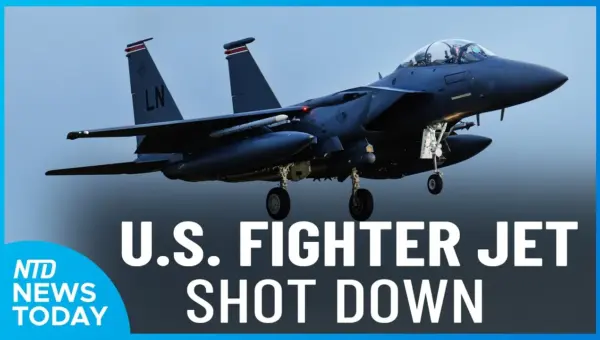
Iran Downs US Jet; Pilot Rescued, Second Missing
An American F-15 fighter jet was shot down over Iran, leading to a critical search for a missing pilot while one has been rescued. This event marks a significant escalation in the conflict, challenging recent U.S. claims of air dominance. The incident occurs amid heightened regional tensions and rising economic concerns.
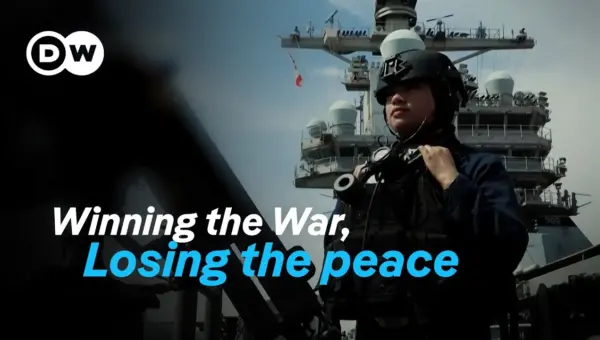
Iran War: Killing Leaders Won’t Topple Regime, Experts Warn
Experts warn that eliminating Iran's leaders may not be enough to topple the regime, suggesting a more complex strategy is needed. The ongoing conflict raises concerns about a prolonged, cyclical war rather than a decisive victory, especially with upcoming elections influencing political timelines.
Iran Strikes Fuel Geopolitical Tensions, Disinformation Wars
Geopolitical tensions rise as a US fighter jet is reportedly shot down over Iran, amid allegations of a coordinated disinformation campaign potentially involving China. Meanwhile, the US economy shows resilience with strong job growth, and concerns mount over China's technological and trade practices, including alleged bullying of Panama and expanded tech restrictions.